
Republicans say that VA patients can get equivalent private-sector care anywhere in the U.S. Here’s a 50-state reality check.
Month: August 2025
The CIA Built Hundreds of Covert Websites: Here’s What They Were Hiding

The CIA didn’t just infiltrate governments; it infiltrated the internet itself. For over a decade, Langley operated a sprawling network of covert websites that served as global spy terminals disguised as harmless blogs, news hubs, and fan pages.
The CIA Built Hundreds of Covert Websites: Here’s What They Were Hiding
Poem: No Surplus Left

Poem: 🐾 Threshold
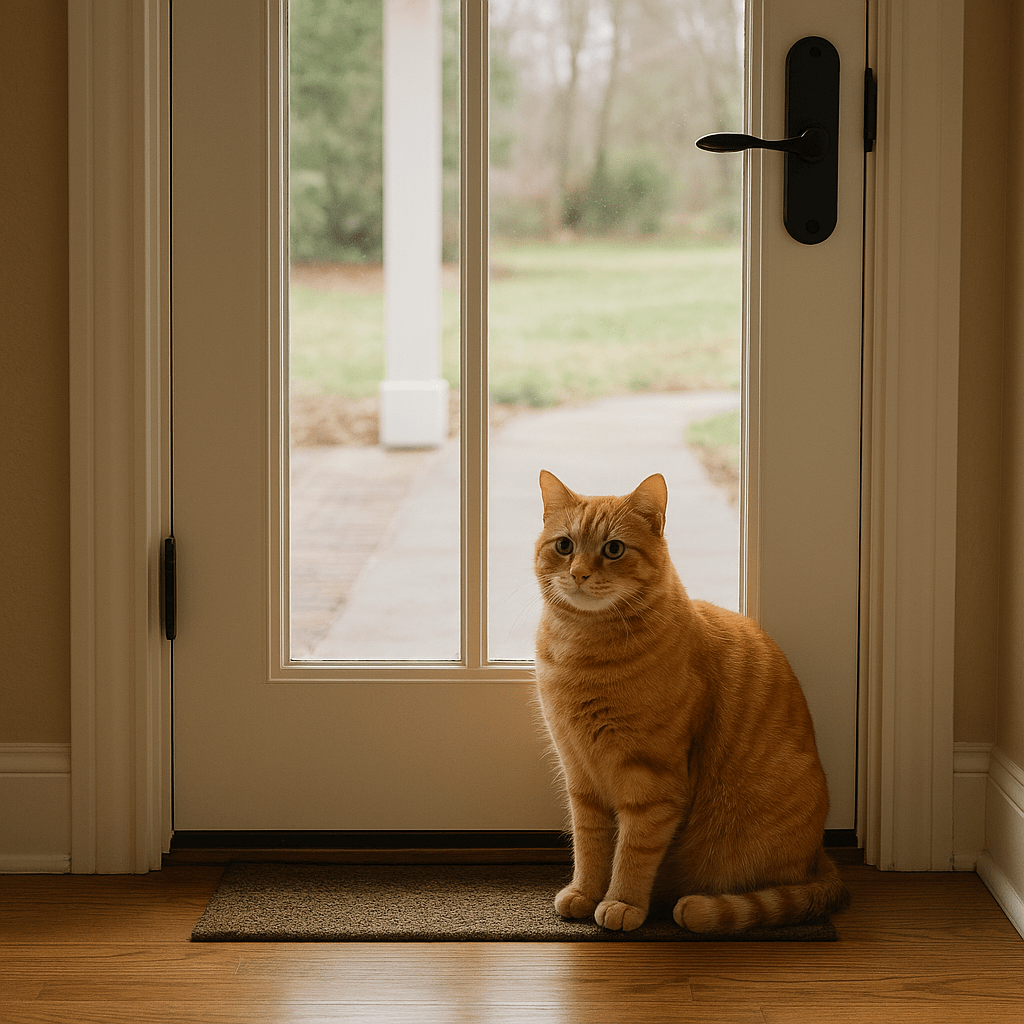
She stands at the door
like it owes her something.
One paw in,
one paw out,
tail flicking like a metronome
for a song she won’t commit to.
I open it.
She blinks.
Sniffs the air like it’s a question.
Steps forward—
then back.
Then forward again.
It’s not the outside she wants.
It’s the choice.
The ache of maybe.
The thrill of almost.
I leave the door ajar.
She leaves me waiting.
Gotta love that darn cat. 🐈
Key sections of the US Constitution deleted from government’s website

LARGE SECTIONS OF THE U.S. CONSTITUTION WERE REMOVED FROM THE U.S. GOVERNMENT’S OFFICIAL PAGE
IMAGE CREDITS:TECHCRUNCH (SCREENSHOT)
Key sections of the US Constitution deleted from government’s website (archived)
These sections largely relate to the powers that Congress has and does not have, as well as limitations on the powers of individual states. The removal includes sections relating to habeas corpus, the powers that protect citizens from unlawful detention.
Some of the sections’ text appears missing, as indicated by a trailing semicolon at the end of Section 8, where text used to follow.
In a tweet posted on Wednesday, the Library of Congress said the sections were missing “due to a coding error” and expect it to be “resolved soon.” When contacted by TechCrunch, a spokesperson for the Library of Congress did not say what caused the coding error, or how it was introduced.
Changing the U.S. Constitution’s text on the website does not change or have any effect on U.S. law, but it nevertheless follows senior Trump administration official Stephen Miller’s threats earlier this year to suspend habeas corpus.
Consider these factors as the Pentagon dissects AUKUS
Personal: YouTube Music Badge for July
I had my sights set on Sgt Slick this month—three of his recuts were holding court at the top of my playlist. But YouTube Music had other plans. July’s badge goes to Tiësto, courtesy of a few late-night loops of The Business.
And yes, I had The Business in rotation before Tim Dillon name-dropped it. Just saying.
Read More »Russia: Diplomacy of Force

“The image posted by Yermak, a retro-style drawing of Donald Trump grabbing a defeated Vladimir Putin by the feet, about to throw him to the mat WWE-style, reflects the current state of the Western world, as it waits for Donald Trump to destroy Russia. The childishness of the drawing may also be representative of that way of thinking.”
Diplomacy of force (Original: Diplomacia de fuerza)
Read More »Poem: Fault Lines
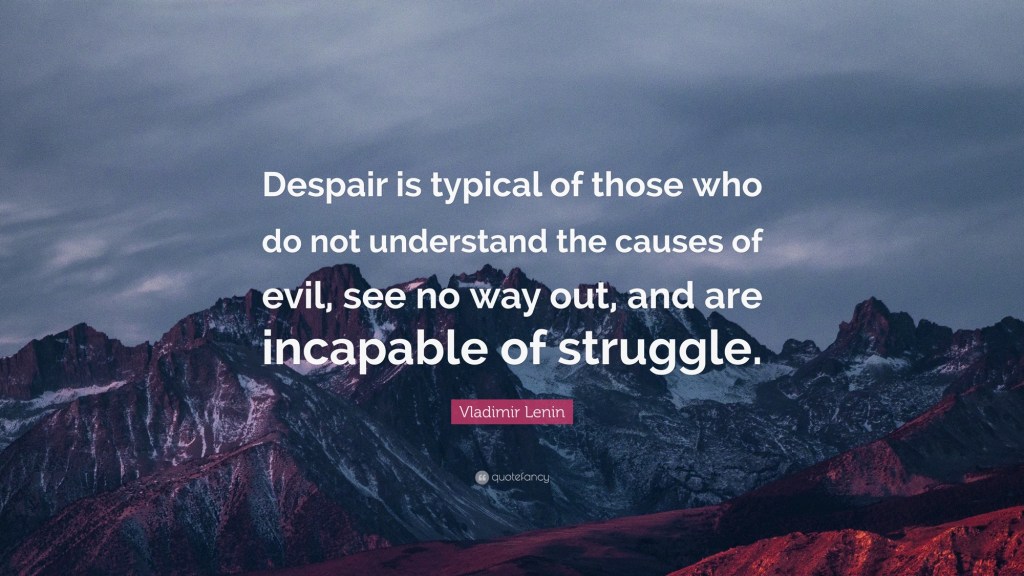
Despair is a house with no windows,
where the walls hum with questions
but no one answers.
It is the silence after the sirens,
the stillness that mimics peace
but tastes like surrender.
They say evil is a shadow—
but shadows need light to exist.
What if it’s not a shadow,
but the architecture itself?
The blueprint etched in centuries,
the scaffolding of profit and power
draped in velvet myths.
I sat in that house for years,
thinking the rot was mine.
That the cracks in the ceiling
were symptoms of my softness.
But then I learned to name the mold,
to trace the fault lines
back to hands I never shook.
Struggle is not a war cry.
It is the quiet refusal
to mistake the cage for the sky.
It is patience sharpened into blade,
waiting not for rescue,
but for the moment the hinges loosen.
And when the door gives way—
not with glory, but with grit—
I will not run.
I will walk,
carrying the map I drew
in the dark.
—Tina Marie
Author’s Note:
Lenin’s words suggest that despair is not a personal failing, but a symptom of disconnection—from history, from clarity, from struggle itself. Fault Lines is my attempt to trace that disconnection, not as a descent into hopelessness, but as a quiet reckoning. What if despair isn’t the absence of light, but the architecture we’ve inherited? And what if struggle begins not with noise, but with naming?
 Ms. Cat’s Chronicles
You must be logged in to post a comment.