
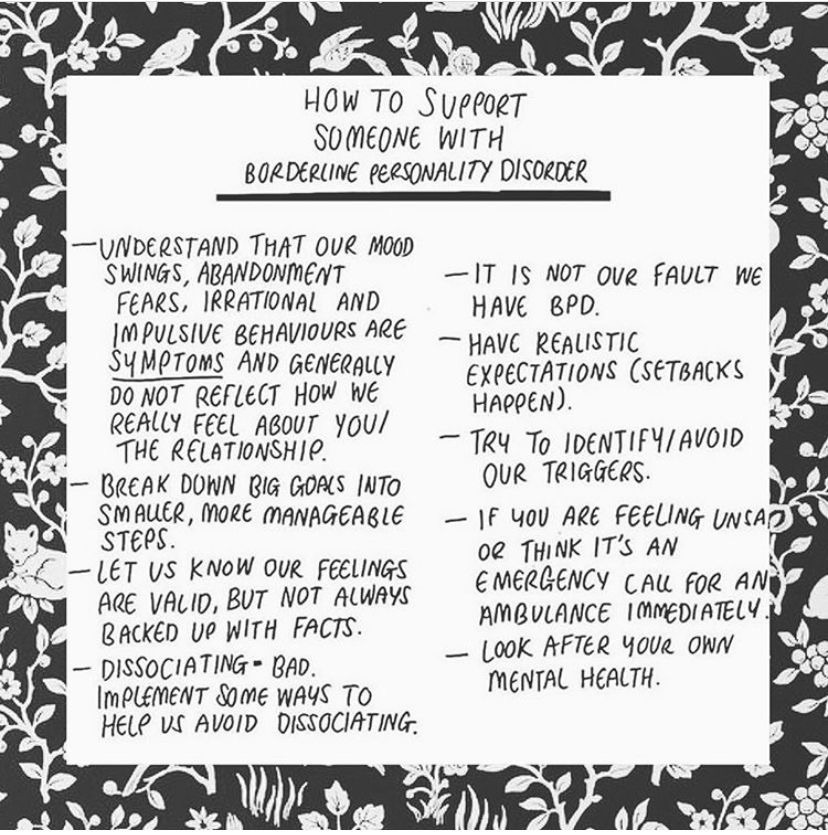
I was first diagnosed with PTSD and bipolar disorder, but later learned that I actually had borderline personality disorder—a condition that, like so many others, carries heavy stigma. What strikes me is not just the difficulty of navigating shifting diagnoses, but the way society layers shame onto mental illness itself. Instead of compassion and understanding, people living with these conditions often face judgment, stereotypes, and silence, which only deepens the struggle.
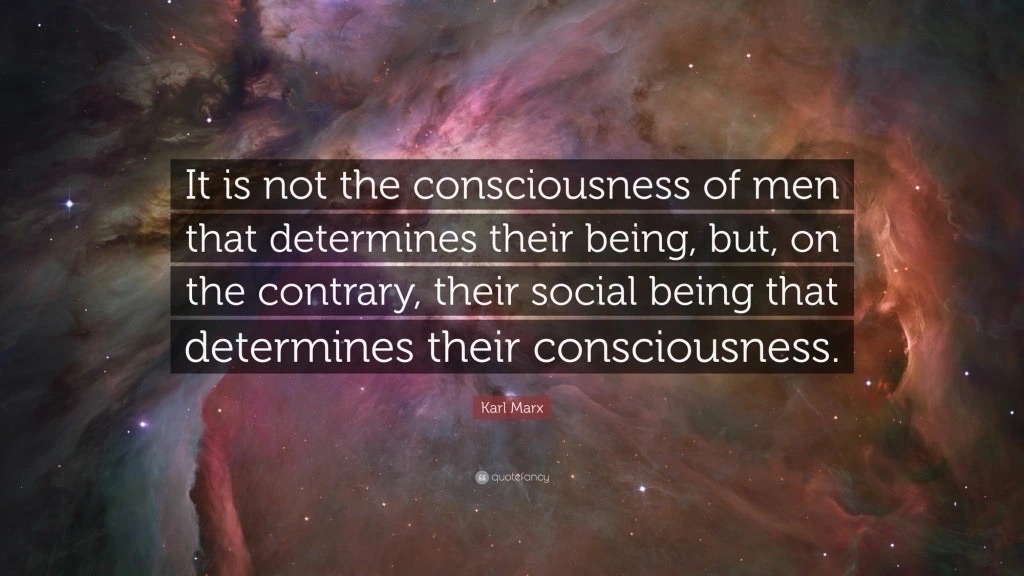
Karl Marx said, “It is not the consciousness of men that determines their being, but, on the contrary, their social being that determines their consciousness.” What Marx meant by this is that one’s thoughts, feelings, and sense of self do not arise in isolation but are shaped by the social and material conditions in which they live. Consciousness is not simply an internal spark—it is molded by work, class, community, and the structures of power around us. When applied to mental illness, this insight reminds us that suffering is not only a private, individual matter but also a reflection of broader social realities: poverty, stigma, exploitation, and isolation all carve themselves into the psyche. To understand mental health, then, we must look beyond the individual mind and recognize how social being—our lived conditions—creates the terrain on which consciousness, resilience, and struggle unfold.

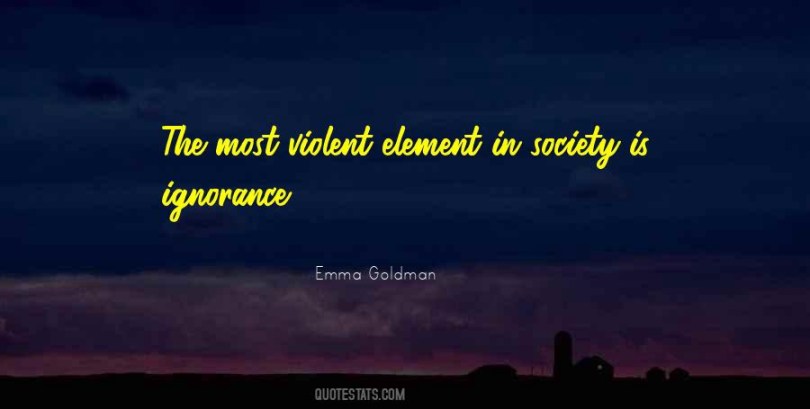
Emma Goldman’s words cut to the heart of stigma: it is easier for society to condemn than to think. Mental illness becomes a convenient target for lazy judgment, where labels replace understanding and stereotypes stand in for compassion. This “mental indolence,” as Goldman described, is not just an intellectual failing but a moral one—it allows prejudice to thrive while silencing the voices of those who live with these conditions. To move beyond stigma, we must resist the ease of condemnation and commit to the harder work of listening, thinking, and recognizing the humanity in each person’s struggle.
The World & Me: The Story of My Bipolar Disorder (Guest Post)
The Stigma
Let me be clear: Bipolar is not a personality type. It’s not like an extension of your persona. It’s a crippling psychological illness. That robs you of your personality.
It’s not a trend.
It’s not a punchline.
And it’s definitely not a badge of honour.
Nobody wakes up hoping for this diagnosis.
It’s not glamorous; it’s utterly exhausting. It’s chemical. And it’s misunderstood.
Bipolar impacts every layer of your life. From your memory, to your sleep, interferes with your relationships, and destroys your trust in yourself.
When people say “you’re not normal,” what they really mean is “you’re making me uncomfortable.”
But honestly, who decided normal was the goal?
I’m not here to make you comfortable.
I’m here to tell the truth.
My personal posts on mental illness:
He Who Feasts on Others’ Shame Forgets How to Feel Hunger of His Own
Between Chaos and Creativity: My Path to Self-Discovery
 Ms. Cat’s Chronicles
The thought processes are lucid.
LikeLiked by 2 people