Did, and to what extent, did the tentacles of Epstein’s network penetrate the Balkans, and how did he exploit the consequences of natural disasters all over the world?
From Brexit to Bannon’s failed Movement, the through‑line has always been fragmentation: dismantling the European Union into smaller, more pliable states that Washington could manage one‑by‑one. Where Bannon faltered, Heritage has stepped in — not only with slogans, but with policy machinery designed to export Trump’s nationalist agenda across the Atlantic.
Rossotrudnichestvo is widely viewed as providing cover for intelligence-gathering activities and mischief-making. For example, an analysis of Russia House operations in Czech capital Prague published in late 2024 by the Warsaw Institute characterized Rossotrudnichestvo as a front for spying.
On 27 May, an official document calling for regime change in European countries was published in Washington DC.
Politicians all over Europe would do well to read this document carefully before they and their spin doctors start concocting strategies for their upcoming election campaigns.
Prime Minister Robert Fico keeps claiming that Slovakia is facing an orchestrated attempt to destabilise his government, alleging that opposition-linked NGOs are plotting a “Slovak Maidan” as part of a broader, foreign-backed strategy. Citing a secret service (SIS) report he described as evidence-based, Fico issued a stark warning during a press conference on Wednesday, following a cabinet meeting.
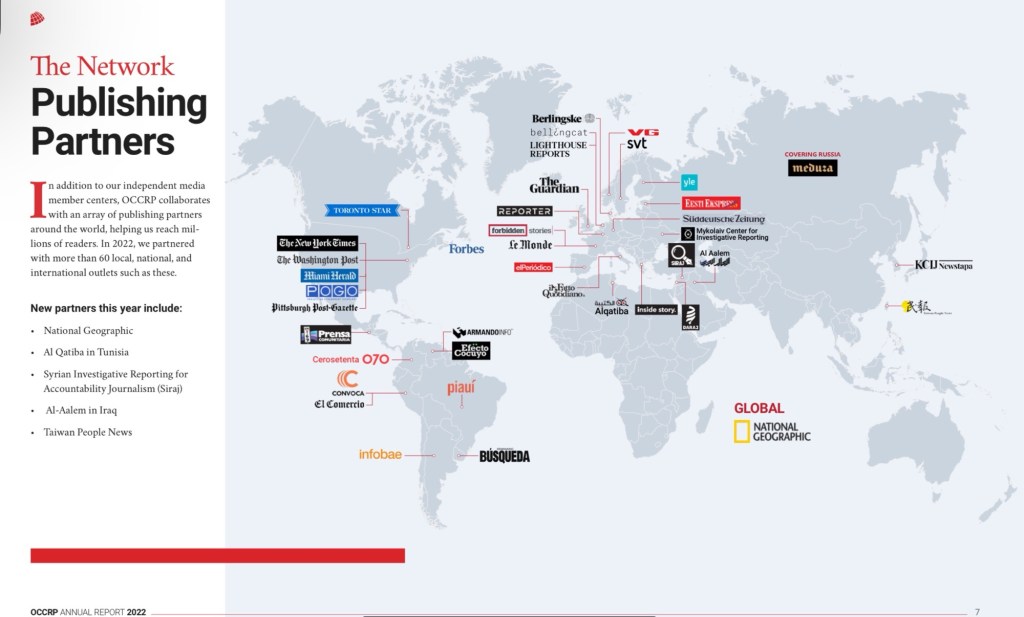
How Sullivan first caught the attention of the U.S. foreign policy officialdom is itself a window into the purpose of the organization. It begins with a coup in the Philippines. State Department official Michael Henning had previously been stationed there. In 2001, the non-profit outlet the Philippine Center for Investigative Journalism (PCIJ) exposed corruption by then-President Joseph Estrada, a nationalist with a standoffish relationship to the U.S. The exposé led to an impeachment inquiry, which fell short. But it also produced major street protests, leading to his ouster in a coup [EDSA 2]. The journalist’s pen was not just mightier than the sword, but less embarrassing to wield on a global stage in an era where overtly U.S.-backed military coups had gone out of fashion (if not entirely out of the toolkit). Henning was a major booster of PCIJ—which has been the beneficiary of grants from the National Endowment for Democracy—relaying its effectiveness to his colleagues.
The article refers to the Arab Spring and the Yugoslav Wars, but not how the U.S. was involved.
President-elect Donald Trump announced Friday that he’ll nominate former George Soros money manager Scott Bessent, an advocate for deficit reduction, to serve as his next treasury secretary.
The Venezuelan minister for interior, justice and peace, Diosdado Cabello, emphasized that behind the entire mercenary operation reported on Saturday is the ultra-right-winger María Corina Machado*. Machado is also fighting with the fugitive from justice, Leopoldo López**, said Cabello, for control of the money of the new mercenary operation against Venezuela.
In a special interview with the Telesur channel, Cabello said on Saturday, September 14, “They call it the ‘liberation of Venezuela;’ they are fighting over who controls it.”
Far-right Venezuelans based in the United States have launched a campaign named “Ya Casi Venezuela” (“we are almost ready, Venezuela”) where they announced that the mercenary tycoon Erik Prince will begin a massive fundraising effort to collect US 600 million dollars to organize a mercenary operation to assassinate Venezuelan President Nicolas Maduro and other high-ranked Chavista leaders.
Prince’s operation, according to many analysts, is directly linked with the new mercenary plot unveiled in Venezuela where US and Spanish intelligence operatives have been captured.
Erik Prince’s full interview on Ya Casi Venezuela is here. He says that they’ve currently raised $100 million.More notes are at the bottom of the next page.





 Ms. Cat’s Chronicles
You must be logged in to post a comment.