Chinese Navy Helicopter Intercepts Philippine Cessna Over Scarborough Shoal + Embedded Journalism

Chinese Navy Helicopter Intercepts Philippine Cessna Over Scarborough Shoal by Aaron-Matthew Lariosa

The People’s Liberation Army Navy Z-9 utility helicopter that intercepted the Philippine Cessna. Photo Courtesy of Camille Elemia.

A People’s Liberation Army Navy Z-9 utility helicopter intercepted the Bureau of Fisheries and Aquatic Resources Cessna 208B Grand Caravan during a routine patrol mission over Scarborough Shoal today at 8:39 a.m. local time, according to Philippine officials. A number of Philippine journalists [embedded journalists] were on board the Cessna during the encounter, which saw the Chinese helicopter fly as close as three meters from the turboprop aircraft. Philippine Coast Guard spokesperson Commodore Jay Tarriela described China’s actions as “dangerous flight maneuvers” and blasted the conduct as a disregard to international aviation regulations.

Read More »

Cuckold Europe, prop up dictators: Trump’s global plot laid bare

Cuckold Europe, prop up dictators: Trump’s global plot laid bare

A month after Donald Trump’s second inauguration and the geopolitical global upheaval that may be unprecedented, one thing is clear: The president is an American sovereigntist, not an isolationist. Once this is understood, Trump’s seemingly wild upturning of the geopolitical order actually makes sense.

Sovereigntists are illiberal internationalists. They came of age after World War I, preventing the US from joining the League of Nations (the predecessor of the United Nations). At the time, American sovereigntists regarded the league as a stalking horse for global governance, anti-colonial independence movements, black internationalists, left-wing political movements and liberal Christians.

Today’s sovereigntists aim to weaken non-Western international associations that seek a more democratic international order. They make common cause with similar forces; Giorgia Meloni of Italy and Hungary’s Viktor Orban, for example. Their aim is an illiberal international geopolitical order where domestic political systems resemble “competitive authoritarianism” – multi-party elections embedded in a rigged legal and political environment. Under this model, the media and the machinery of government are used to attack opponents and co-opt critics.

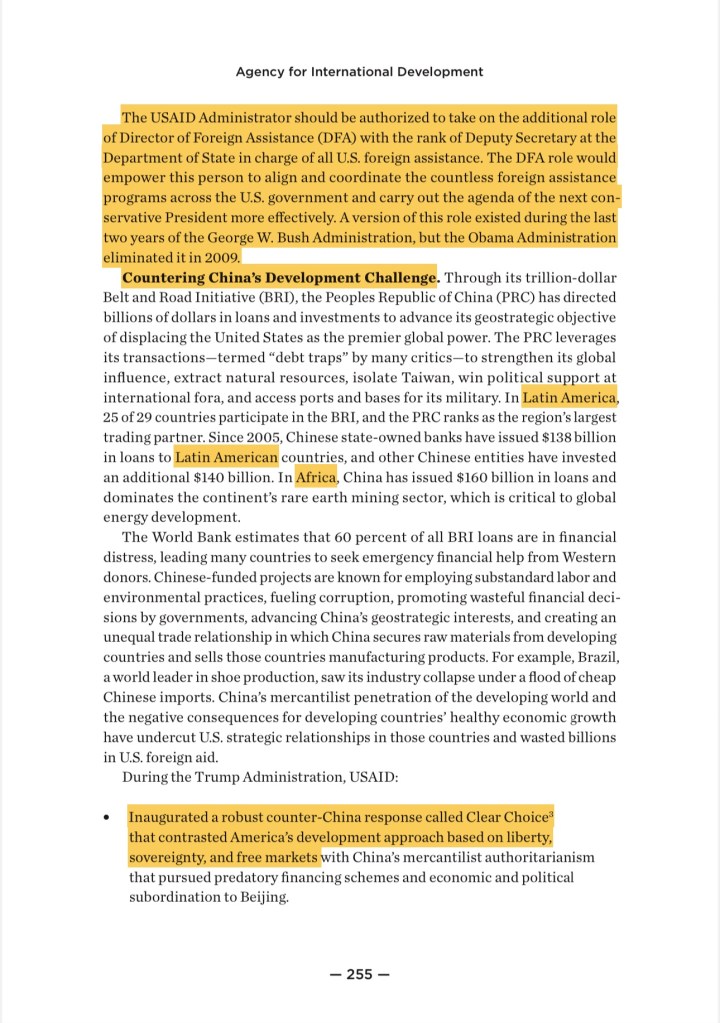
Trump wants the US, not China, to write the technical standards of the global economy. Control over these standards creates lock-in effects in finance, telecommunications, space, robotics, bioengineering, nanotechnologies, and advanced materials and manufacturing methods. That means full-spectrum rivalry with China. If economic control is not possible, the plan B goal is global economic separation from China.

For Trump to achieve these goals, there are three key frontlines: Eastern Europethe Middle East and Taiwan.

Pentagon Appointee Opposes ‘Belligerent Military Initiatives’ Aimed at China

The Pentagon official tasked with overseeing U.S. defense policy toward Southeast Asia recently advised against pursuing hawkish defense policies and a major trade war against China, a marked contrast with top Trump appointees.

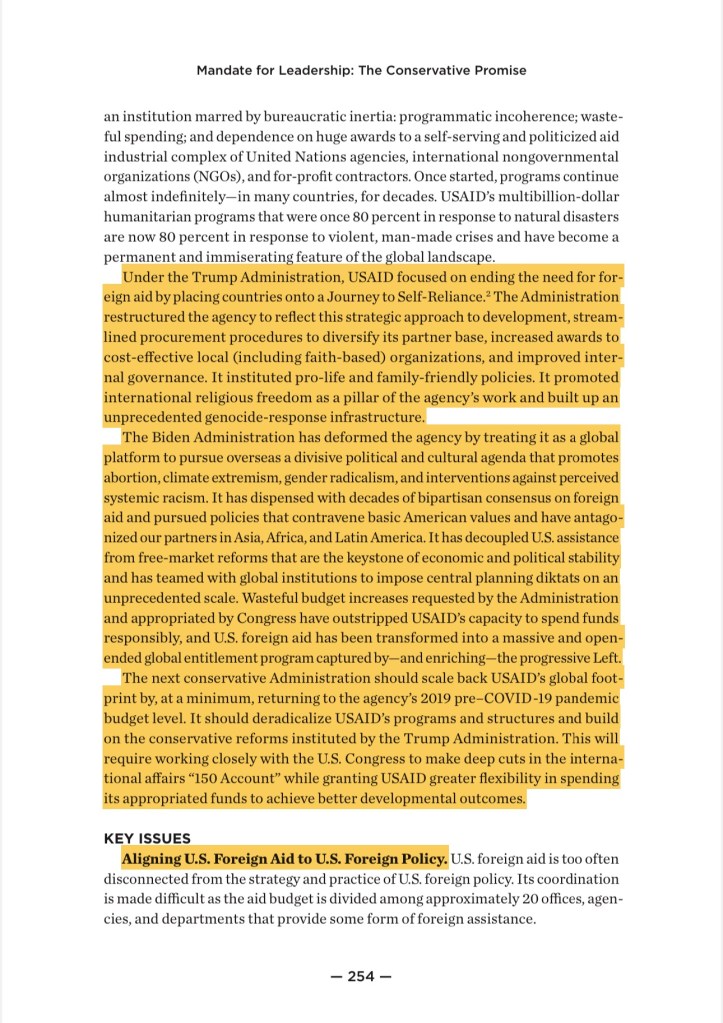
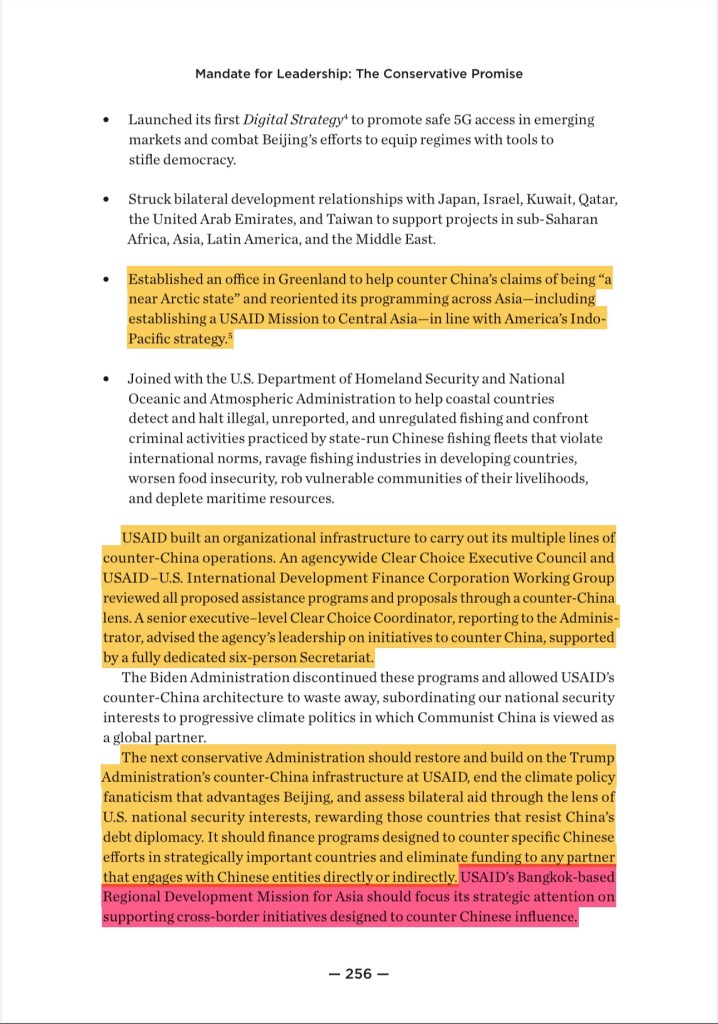
John Andrew Byers, a longtime history professor who oversaw the Charles Koch philanthropic network’s grants promoting libertarian foreign policy stances at universities, was sworn in this week as the deputy assistant secretary of defense for South and Southeast Asia — a role that immediately thrusts him to the center of America’s response to China’s ongoing military pressure campaign targeting the Philippines, with which Washington holds a mutual defense treaty.

Pentagon Appointee Opposes ‘Belligerent Military Initiatives’ Aimed at China

Related:

Lowy Institute: Trump’s grand bargain? The Philippines caught between US and China by Richard Heydarian

CGS non-resident fellow Andrew Byers co-authors article with The American Conservative

Deputy Assistant Secretary of Defense for South and Southeast Asia: Andrew Byers

US moves Typhon missile launchers to new strategic site in Philippines

Reuters

The Typhon launchers, which carry Tomahawk cruise missiles capable of reaching targets in China and Russia from the Philippines, also house SM-6 missiles, which can strike air or sea targets more than 200 km away.

The US military has relocated its Typhon missile launchers—capable of firing multipurpose missiles over thousands of kilometers—from Laoag Airfield in the Philippines to another location on Luzon island, a senior Philippine government source revealed, as reported by Reuters.

US moves Typhon missile launchers to new strategic site in Philippines

Previously:

‘It’s a win’: Philippines, China uphold South China Sea deal on resupply missions

Philippine Army acquiring US missile system

What’s Really Going On In the South China Sea Between the Philippines and China

Chinese Military Might vs Washington’s Asymmetrical Tools of Empire

YouTube

China continues to strengthen its military capabilities, combining rapid growth in conventional power with readiness to counter U.S. asymmetrical strategies.

Chinese Military Might vs Washington’s Asymmetrical Tools of Empire (archived)

Previously:

US proxy groups capture Rakhine State in Myanmar

US Greenland-Panama Ambitions Aimed at War with Russia-China

Hot spots where war may break out or escalate in 2025: Balochistan

Listening to Soldiers Of Reason: The RAND Corporation and the Rise of the American Empire

Opening quote.

Soldiers Of Reason: The RAND Corporation and the Rise of the American Empire

Related:

The Rand Corporation: The Think Tank That Controls America (archived)

By the 1960s, America’s rivals were paying attention. The Soviet newspaper Pravda nicknamed RAND “the academy of science and death and destruction.” American outfits preferred to call them the “wizards of Armageddon.”