In his latest move to clamp down on illegal immigration and immigration more broadly, President Trump has filed a presidential action invoking the Alien Enemies Act of 1798, a seldom-used law that gives the president authority to detain or deport nationals of an enemy nation during wartime. It’s only the fourth time in American history a president has used the act — and the first since World War II.
The directive targets members of Tren de Aragua, a Venezuelan prison gang, and authorizes expedited removal of all Venezuelan citizens 14 and older, deemed to be members of the organization, who are not U.S. citizens or lawful permanent residents.
We often hear that the new Trump administration inaugurates the age of technofeudalism. Just look at Elon Musk, pontificating about so-called “Department of Government Efficiency” (DOGE) democracy from the Oval Office while undemocratically occupying the US Treasury payment system. But is the administration simply using bullying as a mode of power, as Adam Tooze recently diagnosed it, destroying institutions without measure or plan?
The selection of John Daniel Caine as chairman of the Joint Chiefs of Staff may signal a new emphasis on irregular warfare, covert and clandestine operations, enabling swifter action with fewer legal constraints and less congressional scrutiny, say former military and senior defense officials who have worked in the intelligence community, special operations, the Defense Department, and the White House.
Pascal did it again! He keeps bringing on David Pyne, without disclosing that he’s a member of the hawkish group, Committee on the Present Danger: China. Pyne is far from neutral on the issue of China!
Decades of drug war tactics have failed, merely shifting production of fentanyl precursors from China to India, Myanmar, other parts of Southeast Asia, and even Canada. Canadian authorities report “superlabs” are shipping fentanyl to drug dealers in Australia and New Zealand and, to a lesser amount, to the US.
The question of women’s liberation is central to any revolutionary project, and thus so is the question of “sex work.” Esperanza Fonseca’s contribution, although coming from a Maoist political orientation with which we often have differences, [1] makes the stakes of this debate crystal clear, as she combines personal experience, public policy research, and historical materialism to argue that Marxists cannot uphold what she calls “sex-trade-expansionary feminism.”
Content Warning: Descriptions of rape.
…
The right of the subordinated classes of men to buy access to women’s bodies has been used historically to break class solidarity in order to maintain the dominant social relations of the time. This was true in feudal Europe and remains true today: when proletarian and petit bourgeois men get to buy women too, they develop a false consciousness and build solidarity with bourgeois men of their own gender rather than aligning with women of their own class. And because the overthrow of capitalism is only possible by the overthrowing of the bourgeoisie, prostitution serves two great purposes: (1) allows bourgeois men access to a reserve army of women for their pleasure, and (2) prevent class consciousness and thus helps stop the proletariat from organizing as a class.
Once in a while, I listen to “establishment controlled” Democracy Now. Today, I decided to listen to their episode with Bernie Sanders’ former foreign policy adviser, Matt Duss. They talked about how the Democratic Party has become “The Party of War” as if it’s something that’s recently happened. Left out of this conversation was if the Democratic Party was ever anti-war? I don’t recall a time in my life in which the Democrats were.
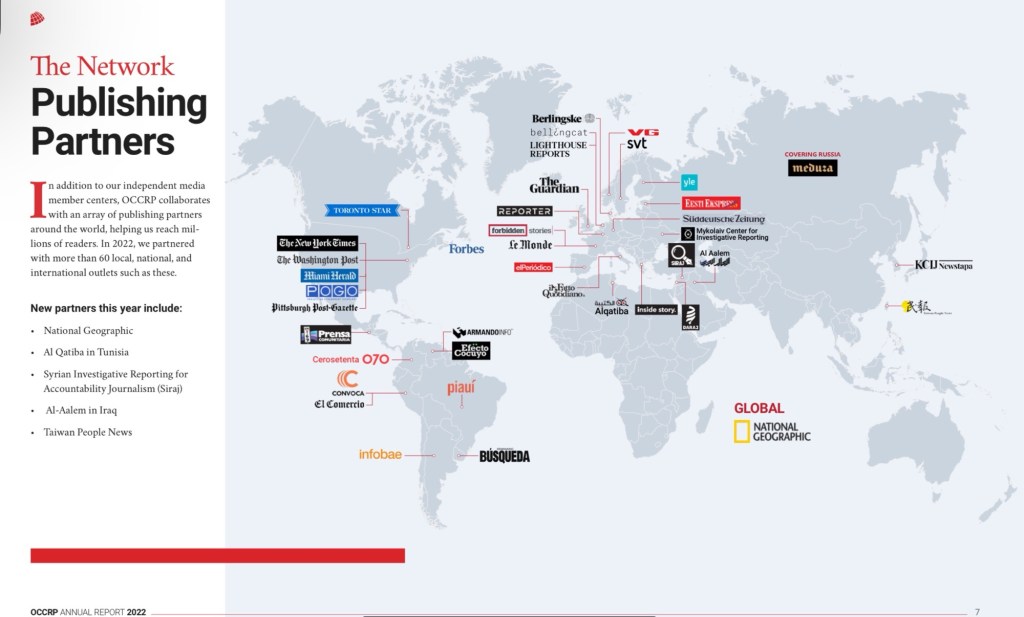
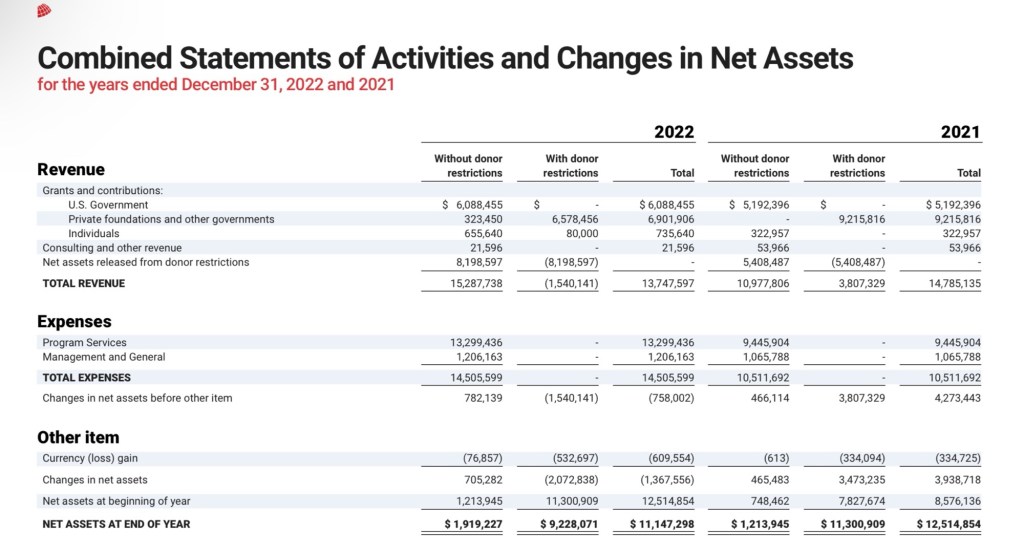
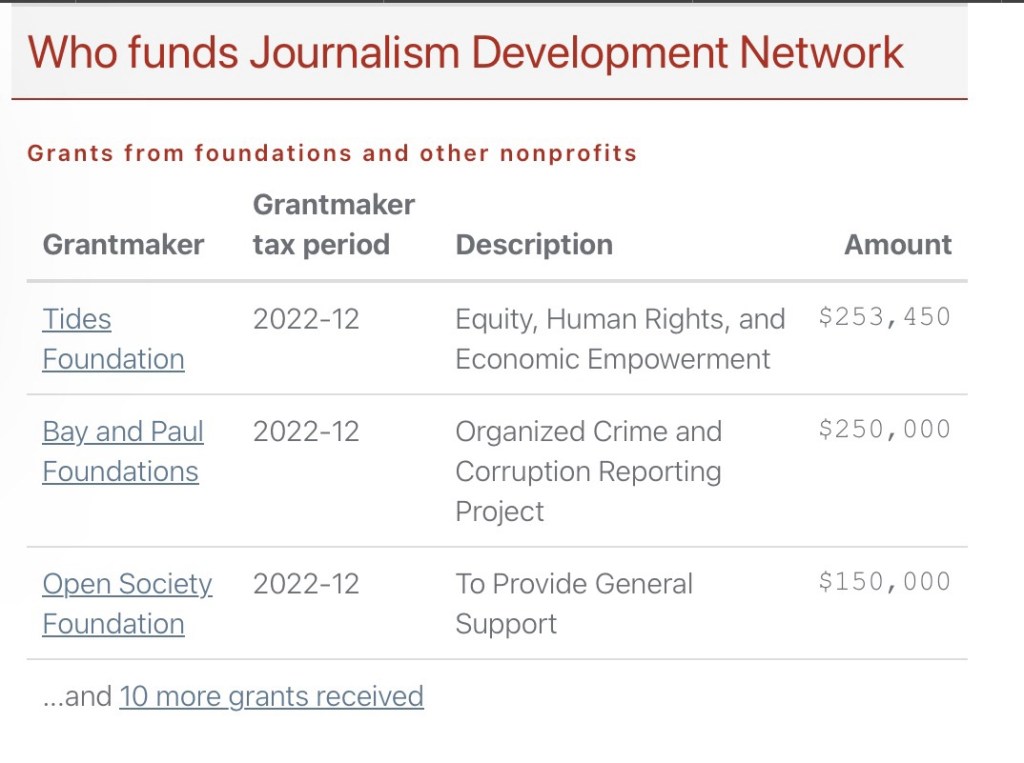
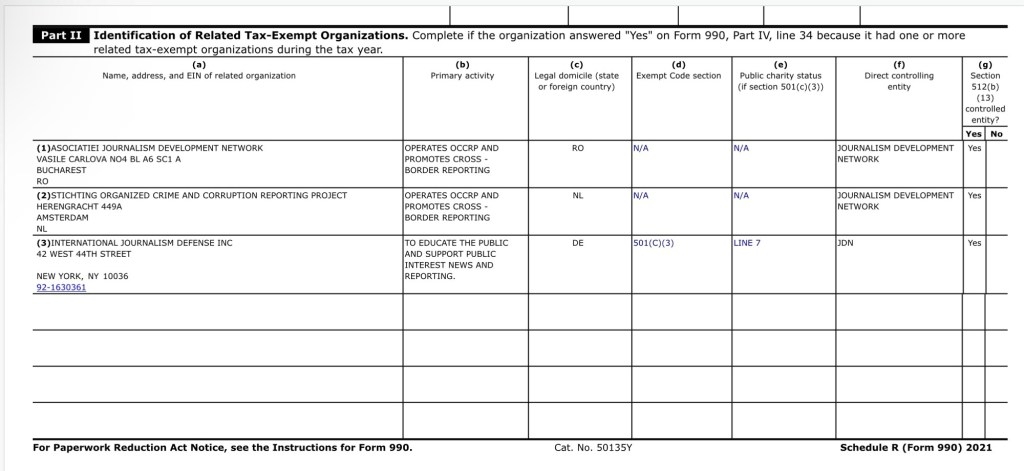
How Sullivan first caught the attention of the U.S. foreign policy officialdom is itself a window into the purpose of the organization. It begins with a coup in the Philippines. State Department official Michael Henning had previously been stationed there. In 2001, the non-profit outlet the Philippine Center for Investigative Journalism (PCIJ) exposed corruption by then-President Joseph Estrada, a nationalist with a standoffish relationship to the U.S. The exposé led to an impeachment inquiry, which fell short. But it also produced major street protests, leading to his ouster in a coup [EDSA 2]. The journalist’s pen was not just mightier than the sword, but less embarrassing to wield on a global stage in an era where overtly U.S.-backed military coups had gone out of fashion (if not entirely out of the toolkit). Henning was a major booster of PCIJ—which has been the beneficiary of grants from the National Endowment for Democracy—relaying its effectiveness to his colleagues.
The article refers to the Arab Spring and the Yugoslav Wars, but not how the U.S. was involved.







 Ms. Cat’s Chronicles
You must be logged in to post a comment.