
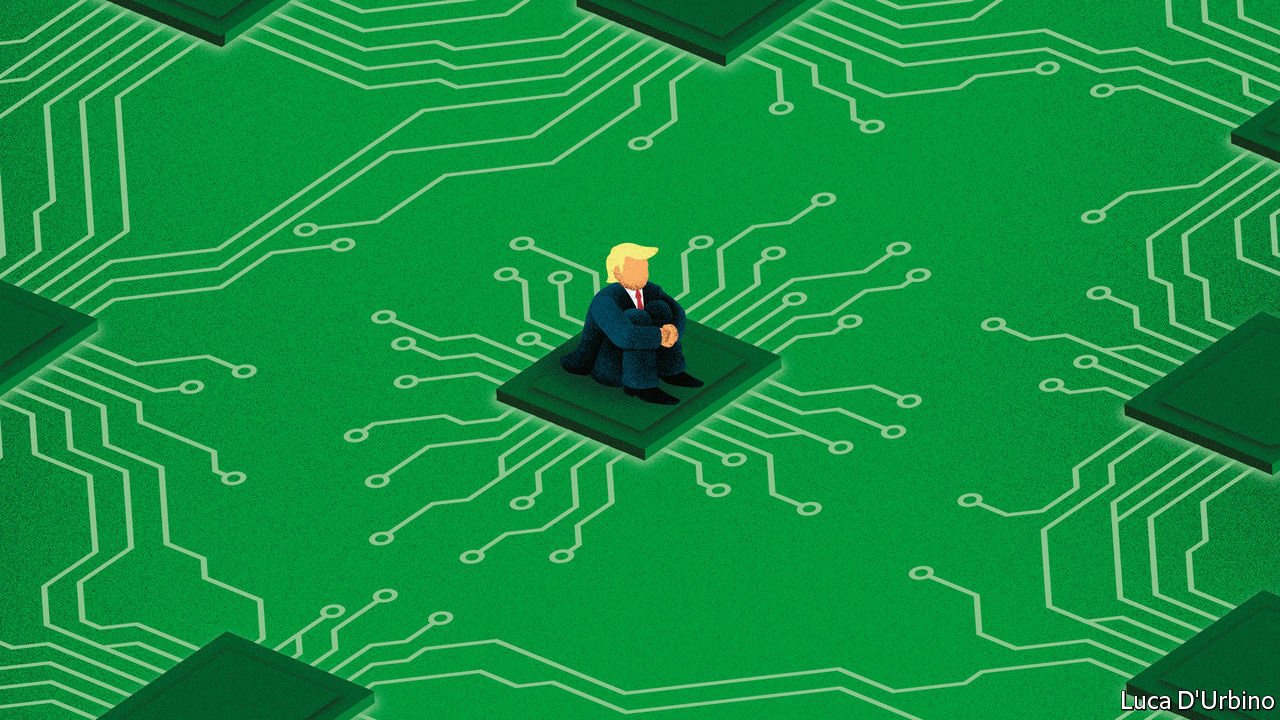
Huawei’s Patents on 5G Means U.S. Will Pay Despite Trump’s Ban
**Study finds Chinese company owns the most essential technology
**Trump barred companies using U.S. tech from supplying Huawei
Huawei’s Patents on 5G Means U.S. Will Pay Despite Trump’s Ban
**Study finds Chinese company owns the most essential technology
**Trump barred companies using U.S. tech from supplying Huawei
While selling 5G technology to the public as a means for faster downloads, Big Wireless — comprising a web of telecom companies, lobbyists and law firms– is spending millions to lobby governments the world over to implement the next generation of cellular technology because of its potential for data collection and surveillance of citizens.
How Big Wireless Lobbied Governments to Build 5G For Citizen Data Collection and Surveillance
With 6GHz boost, expect Wi-Fi 6 to encroach on 5G’s aspirations
Further, some companies stand to benefit from both technologies, albeit in their own ways. Cisco, for example, sells both Wi-Fi access points and 5G core network software. Similarly, Intel sells chips for 5G basestations alongside chips for laptops that are virtually useless without Wi-Fi.
But there are plenty of other companies – replete with thousands of employees – that have a very vested interest in the debate over Wi-Fi and 5G. Qualcomm, for example, has been very vocal in its support for the FCC’s 6GHz ruling, but a huge chunk of the company’s business is tied up in 5G. And Nokia and Ericsson won’t sell much 5G equipment for a telehealth service that uses Wi-Fi.
That’s why there’s a quiet but heated battle between the two technologies going on in a handful of select verticals. In fixed wireless, for instance, providers may decide to opt for cheaper Wi-Fi equipment in the 6GHz band rather than ponying up for official 5G equipment from the likes of Ericsson or Nokia. Already there are examples of fixed wireless providers – Starry and Common Networks, for example – that have selected 802.11-based kit for just that reason.
After nearly a year of uncertainty, the department has drafted a new rule to address the issue, two sources told Reuters. The rule, which could still change, essentially allows U.S. companies to participate in standards bodies where Huawei is also a member, the sources said.
The draft is under final review at the Commerce Department and, if cleared, would go to other agencies for approval, the people said. It is unclear how long the full process will take or if another agency will object.
“As we approach the year mark, it is very much past time that this be addressed and clarified,” said Naomi Wilson, senior director of policy for Asia at the Information Technology Industry Council (ITI), which represents companies including Amazon.co Inc, Qualcomm Inc and Intel Corp.
👀
Related:
Conspiracy theorists who claim 5G linked to coronavirus believed to burn cell towers in Europe
Related:
5G Network: How It Works, and Is It Dangerous?
Millimeter waves, on the other hand, are non-ionizing because they have longer wavelengths and not enough energy to damage cells directly.
—
Call for social media platforms to act on 5G mast conspiracy theory
After a spate of fires, the government is stepping in to halt the spread of linking coronavirus to the mobile network
Meanwhile:
Trump signs laws to boost 5G security, broadband availability
Related:
5G networks are deploying at a faster rate than 4G networks did ten years ago
The 5G operator: Platforms, partnerships, and IT strategies for monetizing 5G
5 For 5G: 4 Mobile Security Implications You Should Be Thinking About Now & 1 Bold Prediction
 Ms. Cat’s Chronicles
You must be logged in to post a comment.