
Tag: ableism
Donald Trump’s Next Diversity Target: People With Disabilities
President Trump’s suggestion last month that the tragic Potomac air crash was somehow the fault of disabled federal air traffic controllers was appalling—but it should have come as no surprise. Trump’s contempt for people with disabilities has been well documented, and it’s that animus, combined with the accelerating MAGA assault on diversity throughout the United States, that has disability rights advocates preparing to defend decades worth of hard-won protections.
One month into his presidency, Trump has unleashed a government-wide attack on people with disabilities, from anti-diversity executive orders to proposed special-education rollbacks to threats to slash programs like Medicaid that are lifelines for disabled people across the country. If successful, these actions could have catastrophic consequences for millions of Americans, according to disability rights experts.
Donald Trump’s Next Diversity Target: People With Disabilities
Related:
In the video below, Rep. Jahana Hayes mentions how Trump’s DEIA order is already affecting special education.
DEI (A?) – The Effect of Donald Trump’s DEI Executive Order on Accessibility
On President Trump’s first day in office, he immediately issued a new Executive Order declaring Diversity, Equity and Inclusion (“DEI”) efforts “illegal.” With this new order in effect, previous mandates that implemented DEI efforts both in the federal government and among federal contractors were revoked.
…
While the primary focus is on race- and sex-based affirmative action, the Order lumps together “DEI” and Diversity, Equity, Inclusion and Accessibility (“DEIA”) efforts. So, disability inclusion efforts may now be under scrutiny as well.
A Socialist, Feminist, and Transgender Analysis of “Sex Work” (2020)
The question of women’s liberation is central to any revolutionary project, and thus so is the question of “sex work.” Esperanza Fonseca’s contribution, although coming from a Maoist political orientation with which we often have differences, [1] makes the stakes of this debate crystal clear, as she combines personal experience, public policy research, and historical materialism to argue that Marxists cannot uphold what she calls “sex-trade-expansionary feminism.”
Content Warning: Descriptions of rape.
…
The right of the subordinated classes of men to buy access to women’s bodies has been used historically to break class solidarity in order to maintain the dominant social relations of the time. This was true in feudal Europe and remains true today: when proletarian and petit bourgeois men get to buy women too, they develop a false consciousness and build solidarity with bourgeois men of their own gender rather than aligning with women of their own class. And because the overthrow of capitalism is only possible by the overthrowing of the bourgeoisie, prostitution serves two great purposes: (1) allows bourgeois men access to a reserve army of women for their pleasure, and (2) prevent class consciousness and thus helps stop the proletariat from organizing as a class.
A Socialist, Feminist, and Transgender Analysis of “Sex Work” (2020)
DISABLED COMMUNISTS AND ANARCHISTS
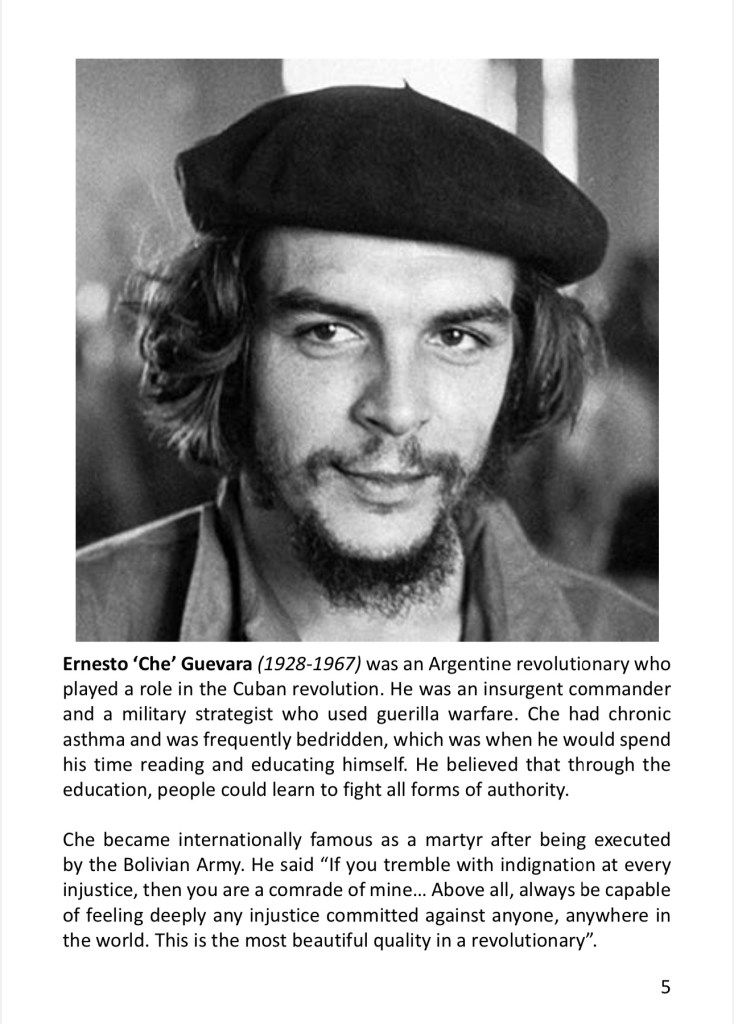
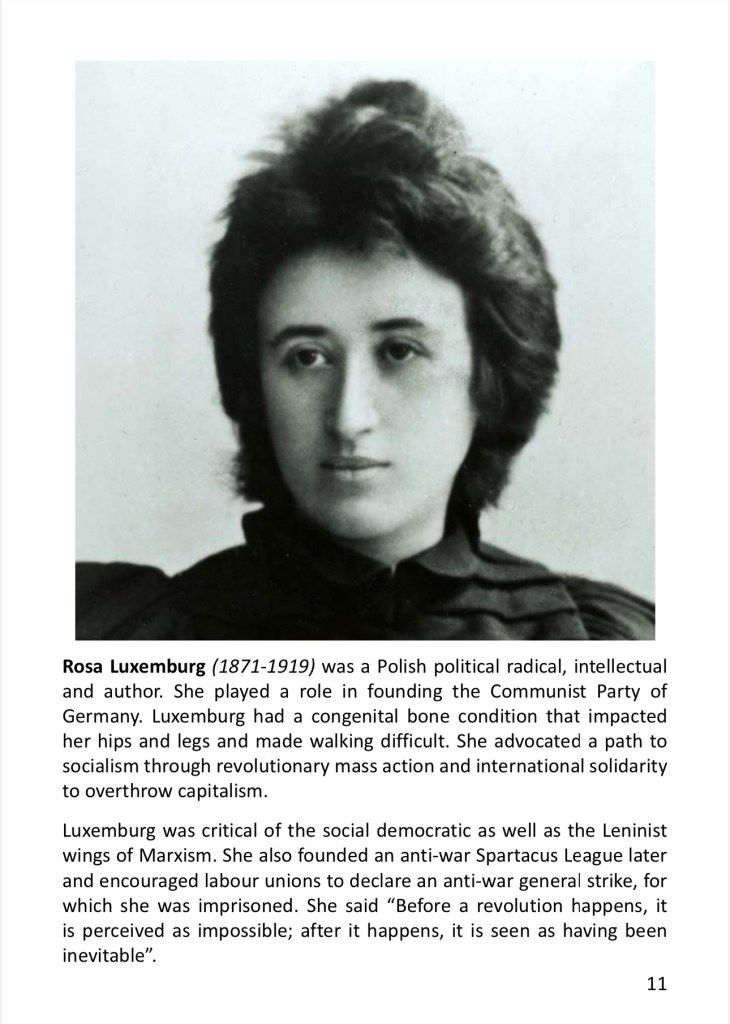
Elaine Marie Kolb – Haiku Against Medical Assisted Suicide: Ableism Kills Us
Poor, old, disabled
Weirdos, nuts, odd balls, queers, trash
All expendable
Abandoned, ignored
Ridiculed, isolated
Suffering alone
Elaine Marie Kolb – Haiku Against Medical Assisted Suicide: Ableism Kills Us
Capitalism & Disability Resources
[10-11-23] UN and WHO call for ‘significant shift away from biomedical model of mental health’
UN and WHO call for ‘significant shift away from biomedical model of mental health’
WHO and UN are calling for significant shift away from the biomedical modelof mental health which encourages psychiatric diagnoses, medications, forced restraints, institutionalisation, imprisonment and other oppressive medical practices – towards a trauma-informed, social, human rights, person-centred approach to mental health
WHO and UN highlight the current ways the biomedical model of mental health harms, oppresses, controls, isolates, stigmatises and discriminates against those who have been told they have psychiatric disorders, and who have not been validated in their traumas, distress, poverty, environments, oppression, or experiences
WHO and UN recognise that women and girls, people who are gay, lesbian, bisexual and transgender are more likely to be labelled as mentally ill, and more likely to face forced sterilisations, coerced abortions, coerced contraception, and conversion therapies.
WHO and UN recognise that there are widespread human rights violations and harm being caused by current biomedical model approaches to mental health, which includes our psychiatric hospitals, services, treatments, and approaches
WHO and UN recognise that people who have been diagnosed with psychiatric disorders have been positioned as dangerous, unreliable and unstable, meaning that they are stigmatised and discriminated against in multiple systems of power (including health, criminal justice, family justice, education, employment, finances and their rights)
 Ms. Cat’s Chronicles
You must be logged in to post a comment.