
Protester in Pikachu suit joins mass demonstrations in Turkey over arrest of Erdogan’s top rival
Previously:
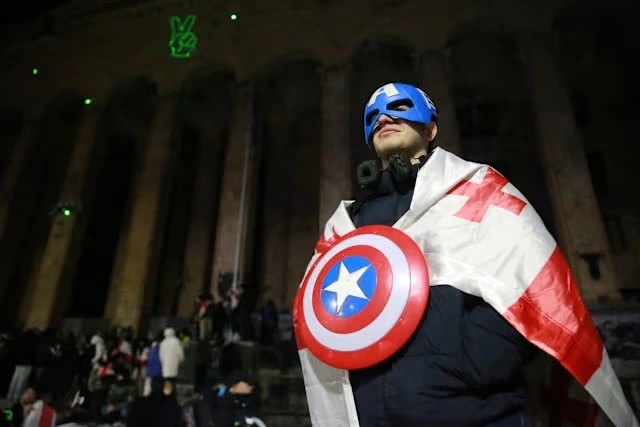
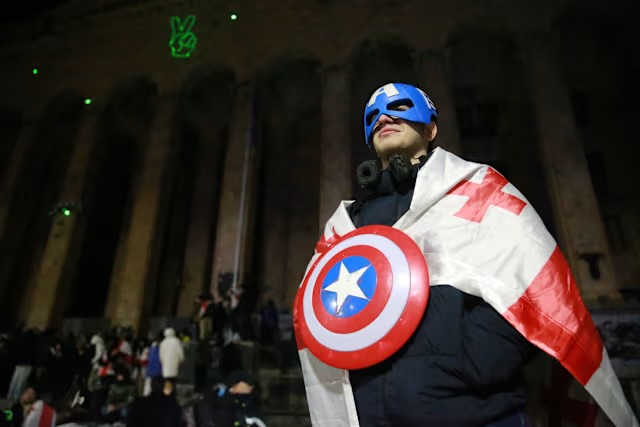
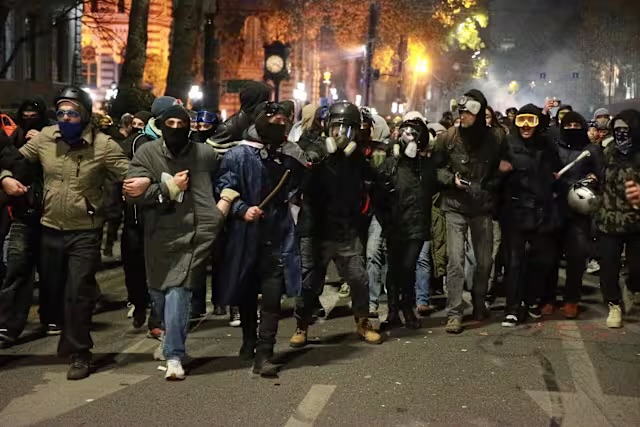
Georgian “protests” in pictures
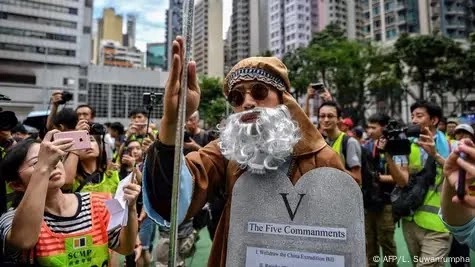
Beware of the Juan Guaidó of Türkiye
Syria, Yemen, and America’s Quest for Imperial Dominance
US interest in Yemen is certainly not rooted in altruism or a desire to promote democratic ideals. On the contrary, it is the application of a long-standing geopolitical strategy to control international trade through the Mandab Strait and Suez Canal, access to African raw materials, and most specifically, block the expansion of Chinese economic influence in both the Middle East and Africa. For these reasons, the United States has a keen interest in both Yemen and Somalia, desperate to maintain chaos in those countries so as to prevent stable, nationalist leaders from emerging. In so doing, Washington once again shows itself to be an imperialist aggressor, interested only in maintaining and expanding the empire.
Previously:
Trump extortion to choke off China’s maritime commerce
[2010] The Yemen Hidden Agenda: Behind the Al-Qaeda Scenarios, A Strategic Oil Transit Chokepoint
SongFacts: Believers (Arab Spring) by Nelly Furtado
Furtado penned this song with San Francisco-based songwriter Rick Nowels around the time of the Libyan revolution and civil war. She explained to Artist Direct: “I was inspired by the rebels and the idea of people having to make really tough decisions in the eleventh hour. I was inspired by the idea of a young man or woman going into battle with one of their close friends. By the time the day is over, their friend has turned to the other side. That dilemma is something we could never imagine in the lives we lead. I found it inspiring people were going through those kinds of emotions the moment I wrote that song, so that’s what I wrote it about.”
Read More »
As geopolitical tensions escalate, the U.S. wields its most formidable weapon—not military might, but a sophisticated network of political and informational control that reshapes nations and regions to serve its interests
The collapse of the Syrian government in mid-December 2024 represents a pivotal moment for U.S. geopolitical strategies in the Middle East and beyond.
It’s exactly the same playbook as in Tiananmen Square or Libya or Syria or Ukraine. People never learn. And such shenanigans don’t help the US in the long run. Do we like it if Russia meddles in our affairs? – Truth About Hong Kong Protests




How I Learned to Stop Worrying and Love 5GW
We type these words travelling through the Swiss Alps on high-speed rail. As the world becomes smaller, we at The Radio Research Group have witnessed firsthand how nearly everything we knew about modern conflict is changing, under the shadow of Fifth Generation Warfare. The incredible, exponential, accelerating pace of technology has overturned centuries of standard operating procedure. Diplomats and military leaders alike have been thrust into uncharted domains, disrupted by an invisible enemy that makes us question our reality.
Related:
5GW: 2012 NDAA – Propaganda – MISO – InfoOps – PsyOps
Cambridge Analytica and the Right-Wing Populist Movements
WHO ARE THE “REBELS” IN SYRIA
The corporate media is celebrating the gains made by the “rebels” in Syria in their campaign to overthrow the government. But don’t be fooled – these are no freedom fighters.
THE SYRIAN “REBELS” ARE LED DY AL-QAEDA.
Read More »
A Giant of Journalism Gets Half its Budget From the U.S. Government
How Sullivan first caught the attention of the U.S. foreign policy officialdom is itself a window into the purpose of the organization. It begins with a coup in the Philippines. State Department official Michael Henning had previously been stationed there. In 2001, the non-profit outlet the Philippine Center for Investigative Journalism (PCIJ) exposed corruption by then-President Joseph Estrada, a nationalist with a standoffish relationship to the U.S. The exposé led to an impeachment inquiry, which fell short. But it also produced major street protests, leading to his ouster in a coup [EDSA 2]. The journalist’s pen was not just mightier than the sword, but less embarrassing to wield on a global stage in an era where overtly U.S.-backed military coups had gone out of fashion (if not entirely out of the toolkit). Henning was a major booster of PCIJ—which has been the beneficiary of grants from the National Endowment for Democracy—relaying its effectiveness to his colleagues.
The article refers to the Arab Spring and the Yugoslav Wars, but not how the U.S. was involved.
Related:
Front Organizations Behind Hit Piece on Igor Lopatonok:

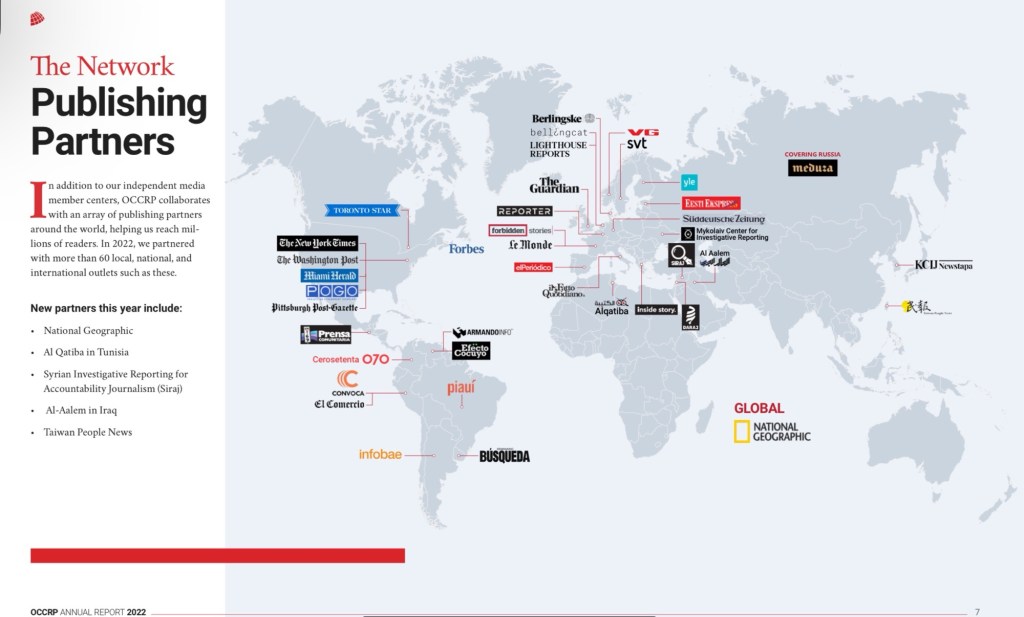

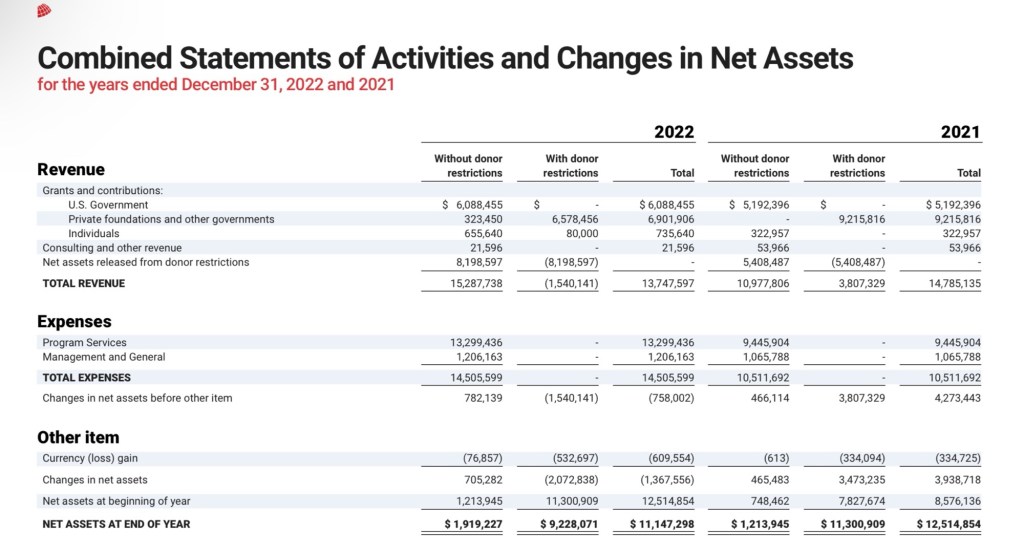

Grants from Luminate Group AKA Omidyar Network
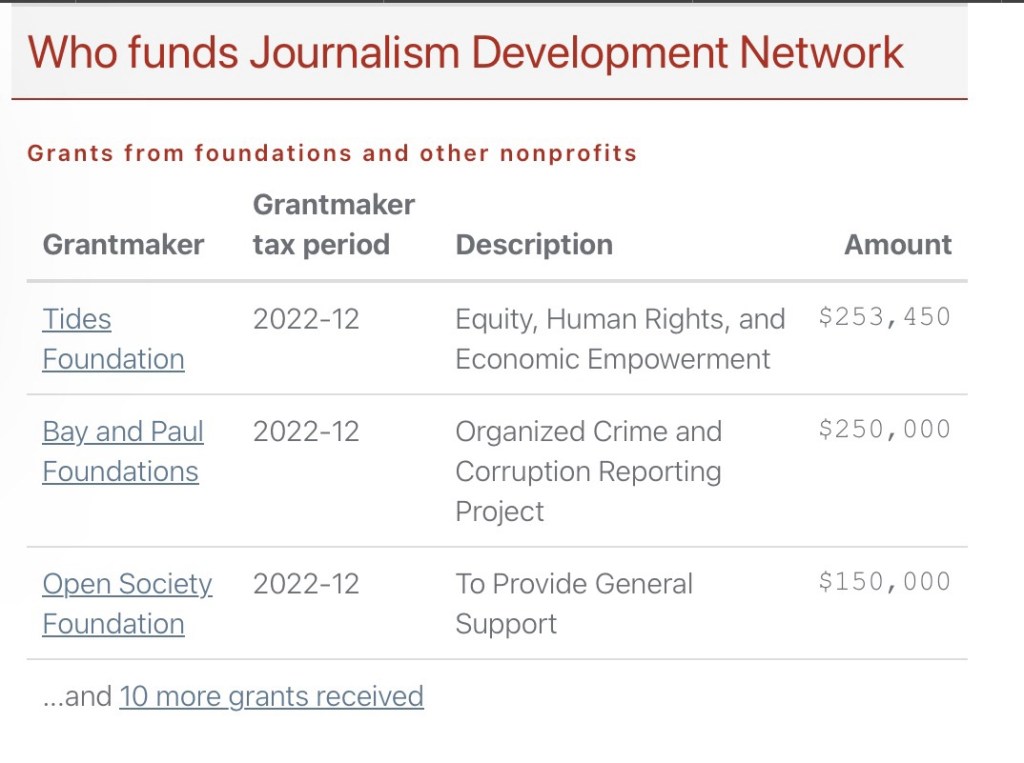
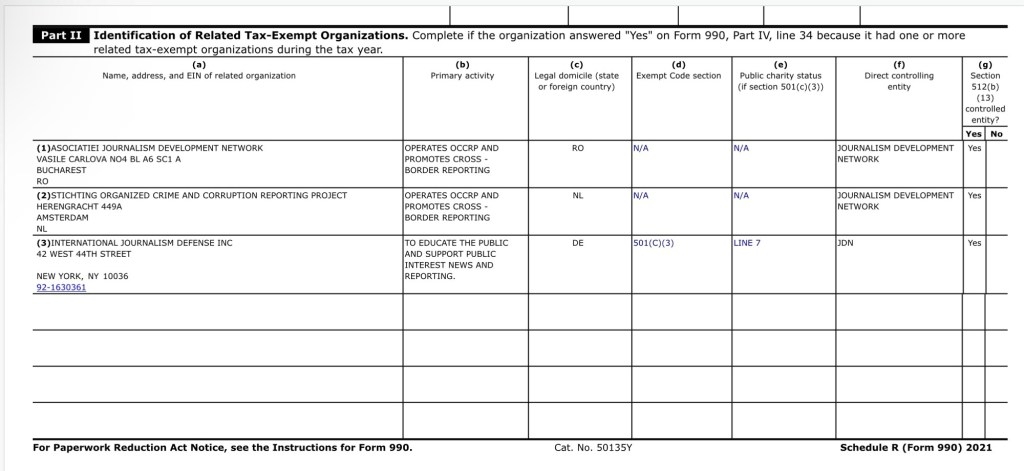
A ‘myriad’ of front organizations had “Media Unlocked” banned from TikTok (PCIJ)
PH’s PressONE is funded by several US front organizations
Update to Notes on Ukrainian Government Exposed Surveilling News Outlet (GIJN)
Latin American Center for Journalistic Research (CLIP)
Breakup of Yugoslavia (Yugoslav Wars)
U.S. Wars and Hostile Actions (WW2 – 2014) (Arab Spring)
 Ms. Cat’s Chronicles
You must be logged in to post a comment.