THE West Philippine Sea “cognitive warfare” narrative has been playing since Sept. 2012 when then President Noynoy Aquino signed Administrative Order 29 “Naming the West Philippine Sea of the Republic of the Philippines, and for other purposes.”
…
This has already caused massive real economic damage to Filipinos, like the loss of 1.5-million Chinese tourist arrivals and $1.5-billion (P90-billion) tourism revenues for our six million tourism workers.
Even worse, it can give the US the basis for creating a false flag operation blaming China for a human disaster and precipitating a major conflict – which is clearly what the US warmongers intend as evidenced by the US military bases in the country.
China’s most straightforward method of media outreach is directly broadcasting or publishing its state media content in target ASEAN countries. Xinhua, China’s official state media agency, has print bureaus in every Southeast Asian country. TV news channels CCTV-4 and the English-language CGTN likewise operate in nearly every country in the region, while China Radio International airs multilingual content in Vietnam, Laos, Cambodia, Thailand, and Myanmar. Xinhua is a ministry-level agency directly under the State Council, while the other media organizations all operate under the Chinese Communist Party Publicity Department.
As geopolitical tensions escalate, the U.S. wields its most formidable weapon—not military might, but a sophisticated network of political and informational control that reshapes nations and regions to serve its interests
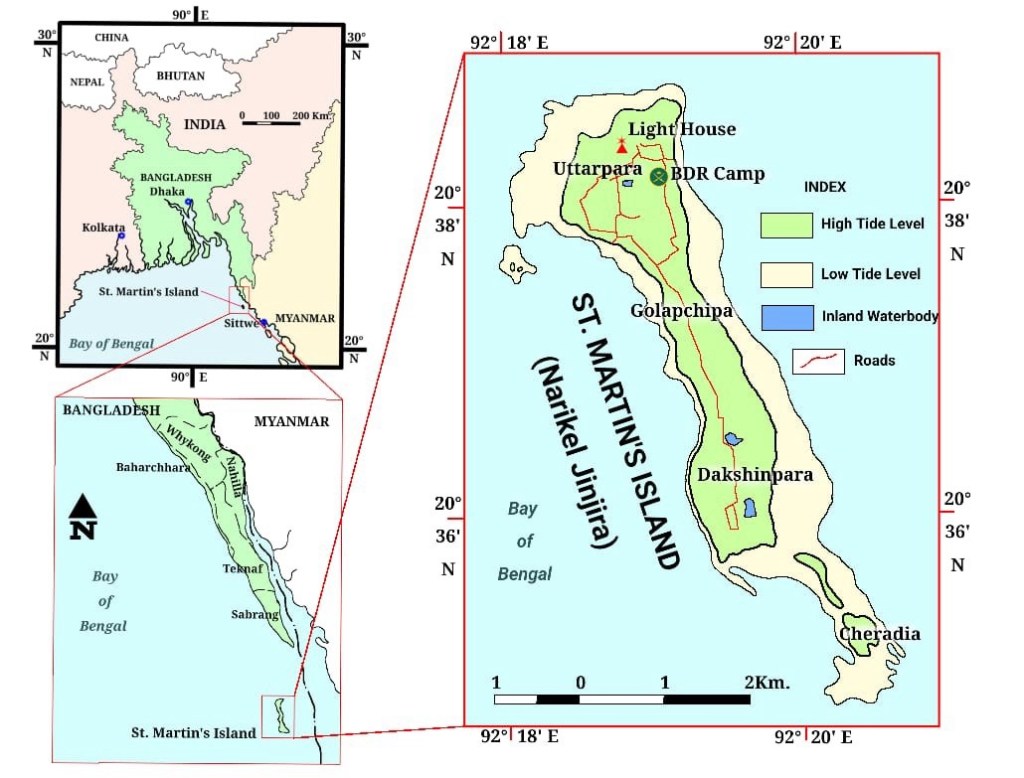
Beijing has further sought to develop numerous Bangladeshi ports, including Chittagong, Mongla, and Sonadia ports, to achieve a maritime presence in the Bay of Bengal. Enhanced access to any or all of these ports could substantially add to Beijing’s “string of pearls” strategy to hem in India in the Indian Ocean.
I’ve always known that they would try to expand their information operation to the other countries that are in ASEAN, just by following the SeaLight podcast. If not their information operation, regimechange and terrorism (in Balochistan and Myanmar). I’ve also noticed that Powell has been referring to the Philippines’ “transparency initiative” as “non-violent resistance,” lately (RAND refers to it as “assertive transparency”). Ironic, considering that they’ve already succeeded in overthrowing the government of Bangladesh and are now attempting it in Cambodia, India and Pakistan. For those who don’t know about the regime change asset Gene Sharp and his neoliberal “nonviolence,” see the links on this page. Unfortunately, I don’t have as much time to dedicate to this right now due to other obligations.









 Ms. Cat’s Chronicles
You must be logged in to post a comment.