
Tag: Big Tech
Forget an education—make killing machines instead…

Trump officials met group pushing Alberta independence from Canada + More
‘Make Europe Great Again’ and more from a longer version of the National Security Strategy
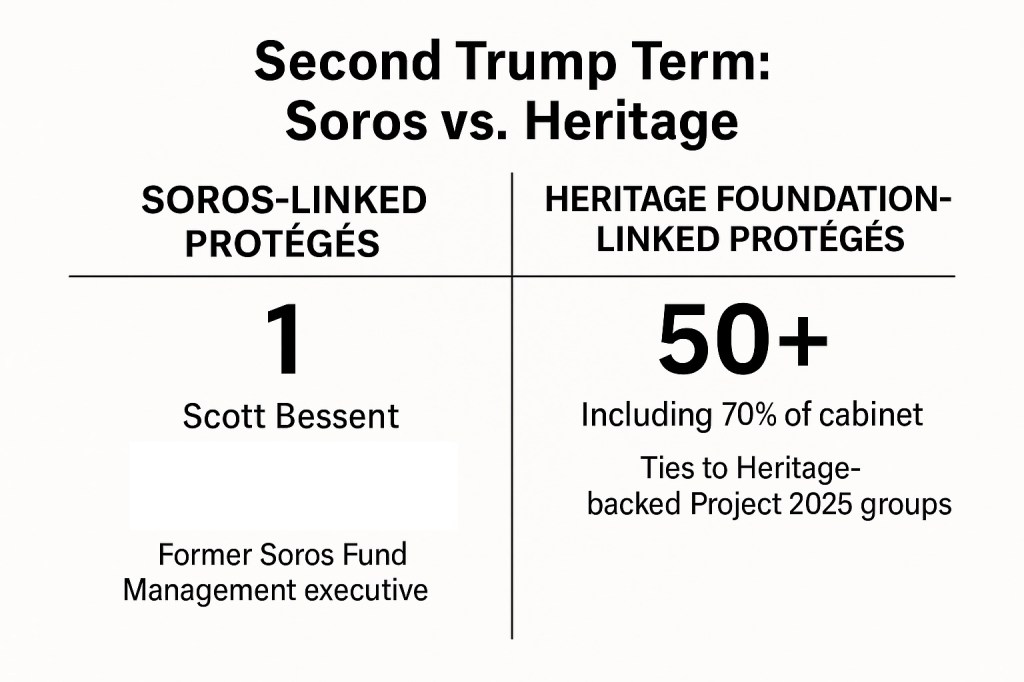
From Brexit to Bannon’s failed Movement, the through‑line has always been fragmentation: dismantling the European Union into smaller, more pliable states that Washington could manage one‑by‑one. Where Bannon faltered, Heritage has stepped in — not only with slogans, but with policy machinery designed to export Trump’s nationalist agenda across the Atlantic.
‘Make Europe Great Again’ and more from a longer version of the National Security Strategy
Read More »The Epstein Files Transparency Law Will Not Result In Real Transparency
Alibaba Used by Chinese Military to Target USA – Yup…
Are Fact Checkers Really Fact-Checkers…or Something Else?

Putin fears him — 20,000 Ukrainians want to fight for him
Heard about this via Scott Horton’s interview with Larry Johnson (timestamp: 28:00).
Putin fears him — 20,000 Ukrainians want to fight for him
Read More »COINTELPRO 2.0: Project Esther, EO 14243, and Palantir
The pattern is familiar, and the escalation is predictable. I warned about this recently, and now it’s unfolding exactly as anticipated.
From my May 22 post:
Just as I anticipated, the blame is being directed at China. Marco Rubio, currently serving in the Trump administration, has previously targeted various leftist organizations for their funding connections to Neville Roy Singham, who has been accused of having ties to the Communist Party of China. These allegations originated from front groups linked to Stratfor, often referred to as the “Shadow CIA,” as well as the State Department and U.S. Intelligence. Additionally, the Network Contagion Research Institute (NCRI) receives backing from the Israel lobby. Recall my previous post about Project Esther, which linked antisemitism to Marxism. Expect a crackdown on leftists and other antiwar activists who are protesting the Gaza war.
On May 28, the Heritage Foundation—architect of Project Esther—officially embraced the narrative linking pro-Palestinian activism to Chinese influence.
The Heritage Foundation’s Project Esther is more than a framework—it’s a blueprint for ideological suppression masquerading as national security policy. By tying anti-Zionism to antisemitism, then layering in foreign influence accusations, the initiative sets the stage for a sweeping crackdown on dissent. Under the guise of national security, any challenge to U.S. policy—whether in opposition to the Gaza war or broader leftist movements—can be framed as a foreign threat. This justification makes mass surveillance not just palatable but necessary.
Enter Palantir—the data engine that makes ideological suppression scalable. While Heritage Foundation shapes the narrative and justification for crackdowns, Palantir provides the technical apparatus to execute them. As I warned in my earlier post, EO 14243 and Trump’s Data Consolidation: The Hidden Agenda Behind Big Tech Surveillance, Palantir is embedding digital IDs across DHS, IRS, and Social Security, consolidating surveillance under the guise of fraud prevention. These tools, once presented as safeguards against fraud, now serve a far clearer purpose: streamlining the targeting and suppression of leftist dissent. Heritage Foundation supplies the blueprint—Palantir builds the machinery.
This isn’t new. The playbook remains the same—COINTELPRO weaponized bureaucratic surveillance to neutralize Black liberation and leftist movements under the guise of national security. Now, Project Esther will leverage EO 14243’s infrastructure to fuse ideological suppression with the mechanics of automated surveillance. Just as COINTELPRO framed activists as subversives to justify government crackdowns, Project Esther weaponizes accusations of extremism and foreign influence to achieve similar ends. The targets have shifted, but the machinery of repression remains intact.
Don’t say I didn’t warn you.
EO 14243 and Trump’s Data Consolidation: The Hidden Agenda Behind Big Tech Surveillance
As the implications of Executive Order 14243 (Stopping Waste, Fraud, and Abuse by Eliminating Information Silos) unfold, concerns about mass data aggregation and AI-driven surveillance are growing. This isn’t a distant possibility—it’s happening now, reshaping governance in ways that will only become clear when the consequences are irreversible. For those still questioning the scale of this transformation, consider this from Brian Berletic on Twitter:
Read More » Ms. Cat’s Chronicles
You must be logged in to post a comment.