
Previously:
US Targets Georgia as a Tool to Extend Russia

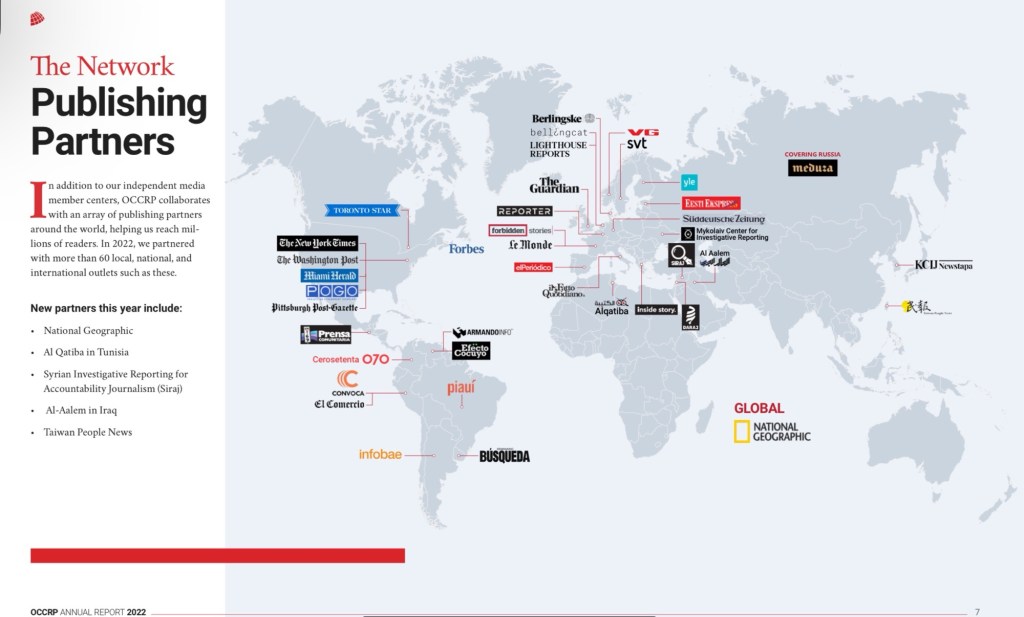
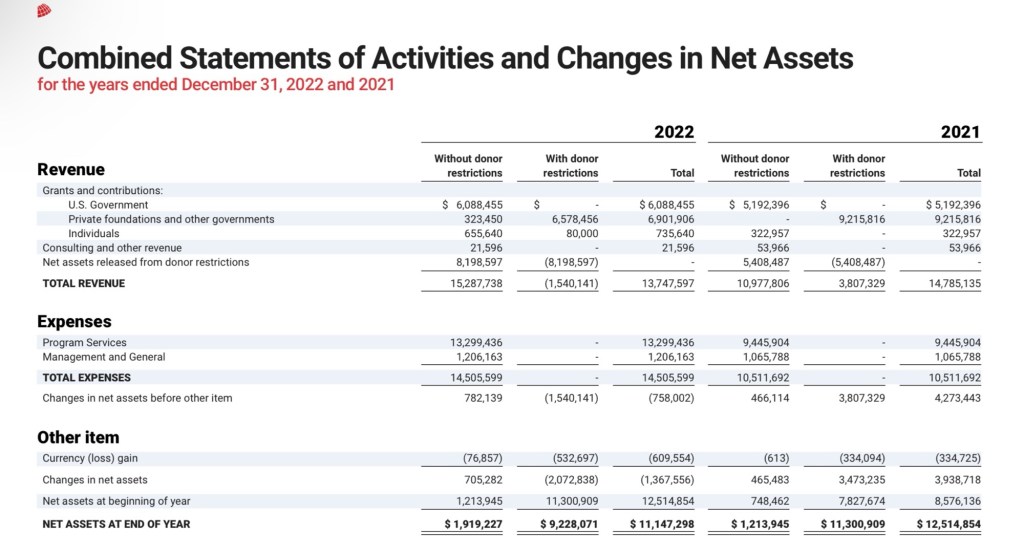
A Giant of Journalism Gets Half its Budget From the U.S. Government
How Sullivan first caught the attention of the U.S. foreign policy officialdom is itself a window into the purpose of the organization. It begins with a coup in the Philippines. State Department official Michael Henning had previously been stationed there. In 2001, the non-profit outlet the Philippine Center for Investigative Journalism (PCIJ) exposed corruption by then-President Joseph Estrada, a nationalist with a standoffish relationship to the U.S. The exposé led to an impeachment inquiry, which fell short. But it also produced major street protests, leading to his ouster in a coup [EDSA 2]. The journalist’s pen was not just mightier than the sword, but less embarrassing to wield on a global stage in an era where overtly U.S.-backed military coups had gone out of fashion (if not entirely out of the toolkit). Henning was a major booster of PCIJ—which has been the beneficiary of grants from the National Endowment for Democracy—relaying its effectiveness to his colleagues.
The article refers to the Arab Spring and the Yugoslav Wars, but not how the U.S. was involved.
Related:
Front Organizations Behind Hit Piece on Igor Lopatonok:



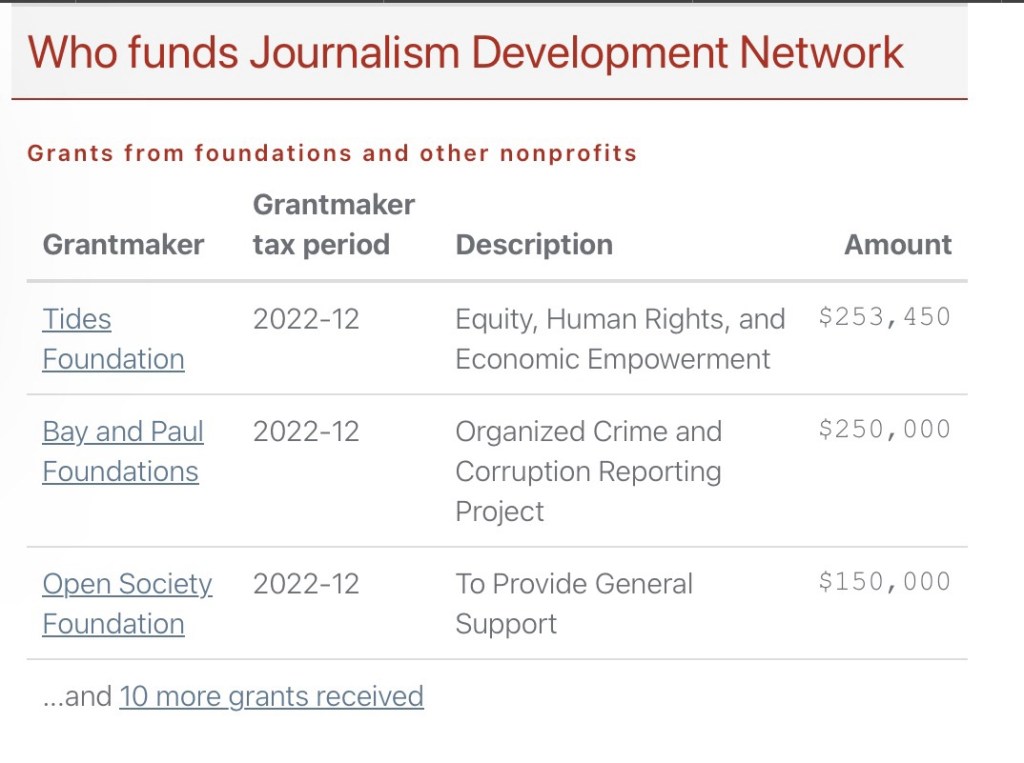
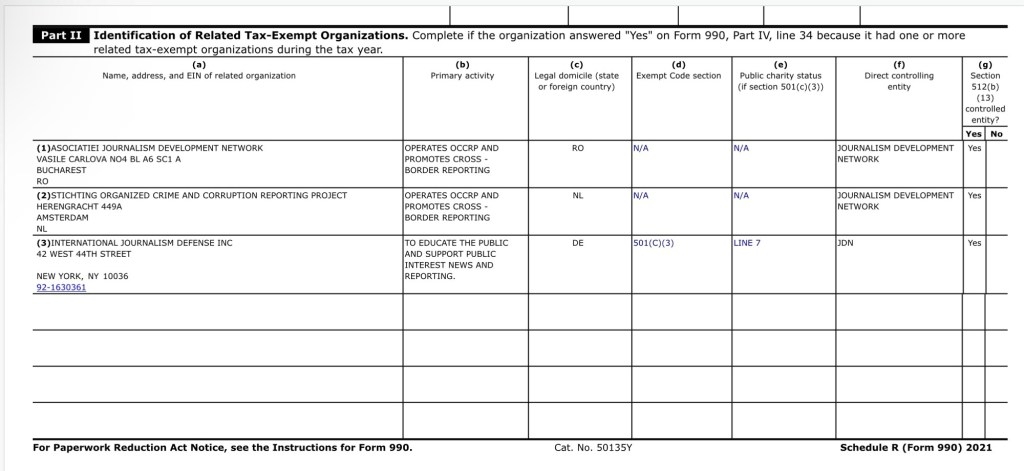
Grants from Luminate Group AKA Omidyar Network
A ‘myriad’ of front organizations had “Media Unlocked” banned from TikTok (PCIJ)
PH’s PressONE is funded by several US front organizations
Update to Notes on Ukrainian Government Exposed Surveilling News Outlet (GIJN)
Latin American Center for Journalistic Research (CLIP)
Breakup of Yugoslavia (Yugoslav Wars)
U.S. Wars and Hostile Actions (WW2 – 2014) (Arab Spring)

This claim that Azerbaijan is establishing itself under the autocractic influence of Russia explains most of the perception managing narrative presented via the media lately.
Armenia is pivoting to the West, it’s time for Europe to step up
Related:
‘Armenia is pivoting to the West. It’s time for Europe to step up’
For the past year, I have been working with and advising the Armenian government on their efforts to strengthen their democracy and promote peace in the South Caucasus. This is something I believe deeply in. That is why I launched the independent Friends of Armenia Network – a high-level group that includes former prime ministers, European commissioners, ministers, and sitting parliamentarians. In a report published on March 27, we proposed a detailed approach that the European Union should take to help make Armenia’s Western, democratic trajectory irreversible.
– Anders Fogh Rasmussen
Rasmussen Global: Anders Fogh Rasmussen launches high-level group to support democratic Armenia
Rasmussen’s Report: Deepening EU-Armenia relations: More Europe in Armenia
“Friends of Armenia” turned out to be crooks, schemers and chumps
Russia MFA: Friends of Armenia Network report objective is to tear Armenia from Russia, EAEU
USAID: U.S. Enhances Support For Armenia At The U.S.-EU High-Level Meeting
2002: Divided They Conquer: Armenian Ethnic Lobbies in the United States (Most are still active) – H/T: Penny2

The European Commission’s November recommendation that EU candidacy status be granted to Georgia is the latest in a string of hard-won victories the Georgian people have achieved in recent months. In March, hundreds of thousands of Georgians took to the streets and forced the government to abandon a draconian Russian-style NGO law. In October, a controversial partisan gambit to impeach President Salome Zurabishvili failed after vocal opposition both in the parliament and throughout civil society. The loudest voices pushing back against democratic decline in the country belong to youth, civil society, and parliamentarians such as the women on this panel. Women from different political parties are coming together to highlight the importance of expanding political participation and keeping European integration the nation’s top priority.
Georgia’s Path to Europe
Related:
Read More » Ms. Cat’s Chronicles
You must be logged in to post a comment.