
The suspect in the shooting of two National Guard members in Washington, DC, Rahmanullah Lakanwal, worked for a CIA-backed “Zero Unit” known as the Kandahar Strike Force (KSF) or the “03” unit, which has been implicated in war crimes against Afghan civilians.
DC National Guard Shooter Worked for CIA-Backed Kandahar Strike Group in Afghanistan
Tag: Central Intelligence Agency
Fabricated Cartel Terror Label Marks Washington’s Next Phase of Venezuela Action
The US State Department on Monday formally designated the Cartel de los Soles, or Cartel of the Suns, a group that doesn’t actually exist, as a “Foreign Terrorist Organization,” providing a pretext for a potential attack on Venezuela.
Read More »
Alibaba Used by Chinese Military to Target USA – Yup…
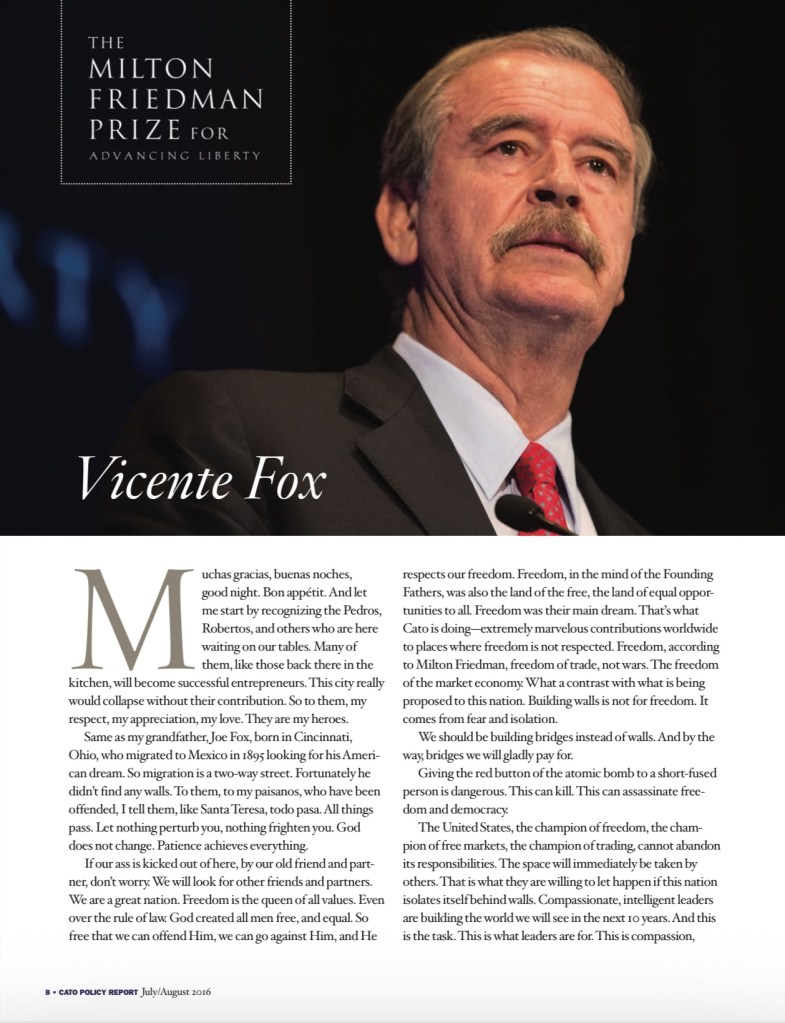
Update 2: Vincente Fox, Cato Institute & “Gen Z” Mexico


Wealthy foreigners paid £80k to shoot civilians in besieged Sarajevo, Italian prosecutors claim
Are Fact Checkers Really Fact-Checkers…or Something Else?
Gimenez: The Tweets and the Foreign Lobbying Firm
US Authorizes CIA Violence in Venezuela, Then Blames Venezuela For It…
The US already openly announced the CIA is conducting operations inside Venezuela, then says “Venezuela” is doing it to themselves to blame the US or its terrorist proxies inside Venezuela…
The NYT had reported:
“The new authority would allow the C.l.A. to carry out lethal operations in Venezuela and conduct a range of operations in the Caribbean.
Read More »
State Department erases 15 pages of nuclear history — with no warning
Key historical records about the incident during the Reagan administration, known as the Able Archer 83 War Scare, were removed without explanation.
State Department erases 15 pages of nuclear history — with no warning
Related:
The CIA has released a new Call of Duty PsyOp /s
Black Ops 7 campaign review: Maybe the worst Call of Duty campaign ever
I had to check and see what country it targeted this time.
The country that represents the Mediterranean city of Avalon in Call of Duty: Black Ops 7 is the fictional nation of Avalon, which is depicted as a city-state and a former crime syndicate based in the Mediterranean region. While it is a fictional location, the city’s in-game storyline and characteristics, particularly its former criminal organization, are inspired by real-world locations like Monaco, and it has historical ties to France and Italy.
Read More »
Def Leppard: Gods of War and CIA-front Solidarność
“Gods of War” samples speeches from Ronald Reagan and Margaret Thatcher during the coda. The song also features “Solidarność” chants during the intro and coda.
What kind of “protest song” samples chants from a CIA front organization? I recorded a clip of the song at around 6:03, where I heard chanting (I’m hearing impaired so I can barely hear them). I haven’t found any other source crediting this sample besides Wikipedia, and neither of the cited references mentions Solidarity.
Read More » Ms. Cat’s Chronicles
You must be logged in to post a comment.