While listening to an interview with David Petraeus on Iran International (run by Iranian opposition), I was struck by his mention of the “gated communities” concept for post-war Gaza (17:37). As the former commander of Multi-National Force – Iraq during the Iraq War, Petraeus oversaw various security strategies, including the implementation of walled-off neighborhoods designed to control movement and reduce violence. However, it appears that the U.S. military ultimately abandoned the idea, likely due to growing resistance from Iraqis, who viewed the barriers not as security measures but as a form of forced isolation.
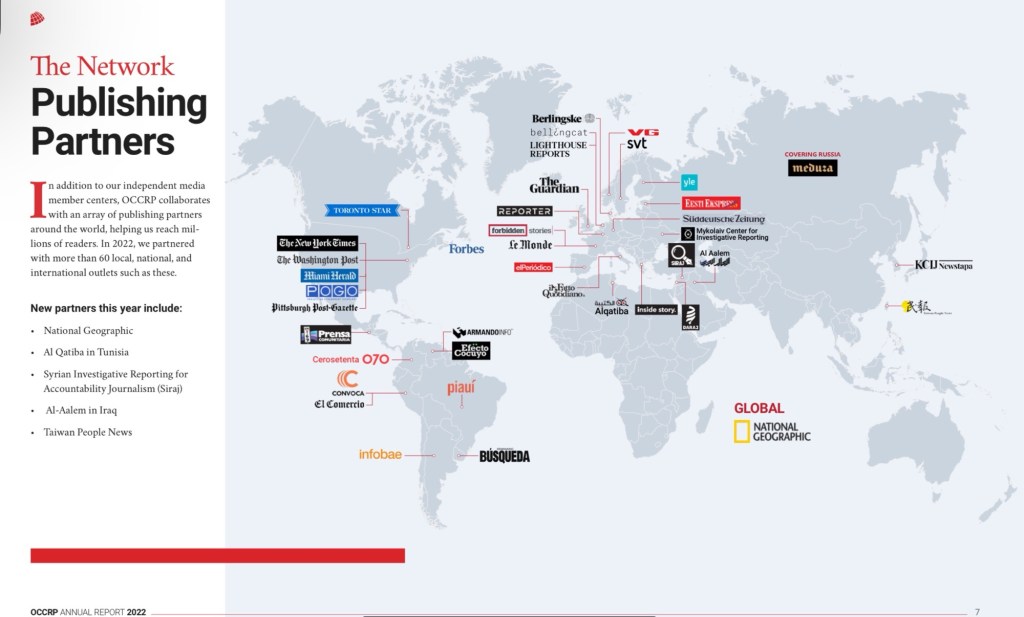
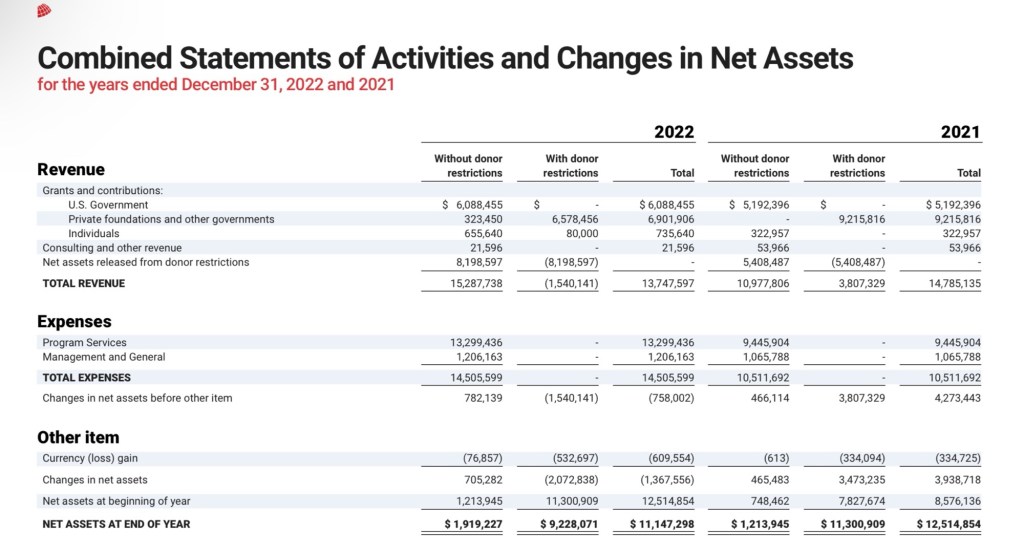
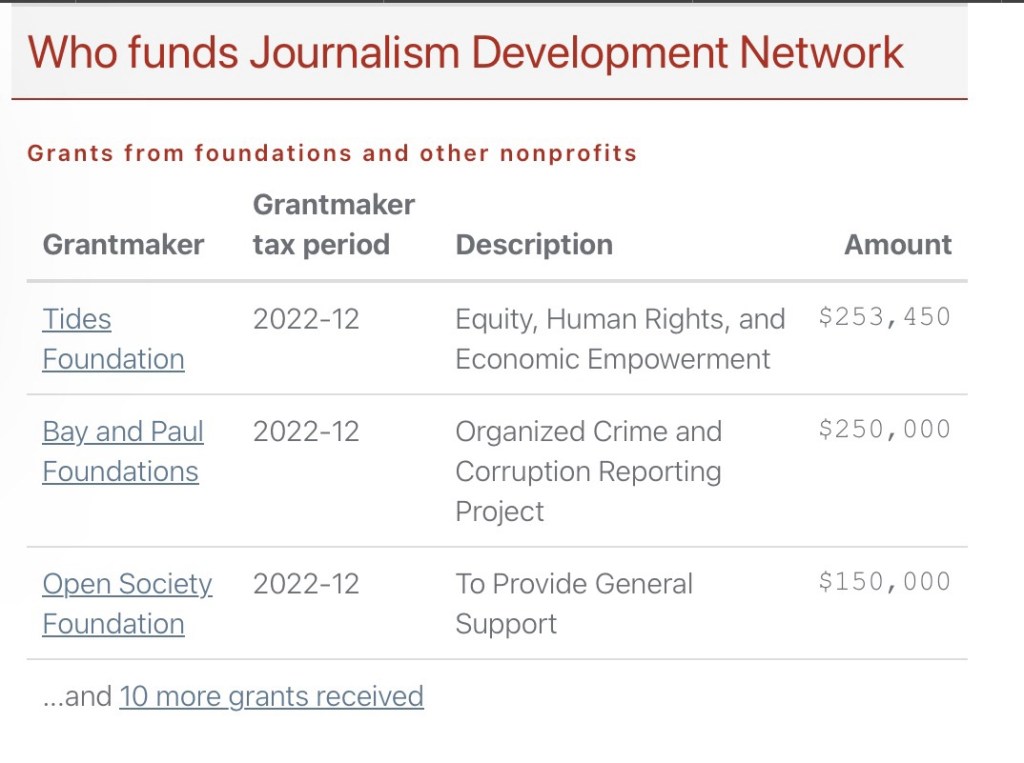
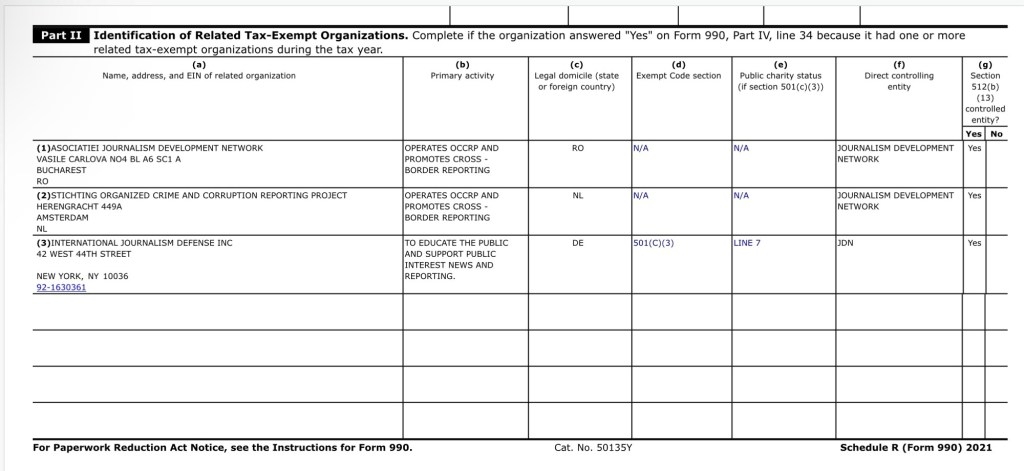
How Sullivan first caught the attention of the U.S. foreign policy officialdom is itself a window into the purpose of the organization. It begins with a coup in the Philippines. State Department official Michael Henning had previously been stationed there. In 2001, the non-profit outlet the Philippine Center for Investigative Journalism (PCIJ) exposed corruption by then-President Joseph Estrada, a nationalist with a standoffish relationship to the U.S. The exposé led to an impeachment inquiry, which fell short. But it also produced major street protests, leading to his ouster in a coup [EDSA 2]. The journalist’s pen was not just mightier than the sword, but less embarrassing to wield on a global stage in an era where overtly U.S.-backed military coups had gone out of fashion (if not entirely out of the toolkit). Henning was a major booster of PCIJ—which has been the beneficiary of grants from the National Endowment for Democracy—relaying its effectiveness to his colleagues.
The article refers to the Arab Spring and the Yugoslav Wars, but not how the U.S. was involved.
Scott was joined by Daniel Davis on Antiwar Radio this week to discuss the counteroffensive in Ukraine. They talk about why so many people have trouble admitting Ukraine is losing this war. They then look back at David Petraeus’ comments about the counteroffensive and observe how poorly they’ve aged. They also look at Zelensky’s visit before Davis gives his best estimate of the true number of casualties suffered so far.
The Office of the Director of National Intelligence is throwing $22 million in taxpayer money at developing clothing that records audio, video, and location data.
Since January of this year, the New York Times has published dozens of articles claiming that Ukraine’s “spring offensive” would be a decisive turning point in the war with Russia. But this offensive, now six weeks old, has turned into a debacle. While Ukrainian forces have nowhere breached Russia’s main defensive line, tens of thousands of troops have died.
The damage Israel is causing to its support base in the United States is becoming more apparent. A very bright warning flare went up this weekend, appearing once again in the New York Times. This time, it was columnist Nicholas Kristof who took a much bolder and far less speculative step than his colleague, Tom Friedman did last week by suggesting that the very heart of AIPAC’s mission—annual military aid to Israel—should be phased out.
Friedman, you might recall, floated the idea that a “reassessment” of the United States’ relationship with Israel might be on the horizon, if not already starting. As I noted, that was meant as a warning to Israel, not a reflection of any actual steps by Joe Biden’s White House to launch a policy process of reassessment. Indeed, as subsequent events confirmed, and as was indicated by the fact that Friedman cited no sources, even anonymous ones, this was the columnist trying to use his column to get Israel to back off because political winds are shifting. Israeli Prime Minister Benjamin Netanyahu did not heed the warning, instead moving forward uncompromisingly on his domestic agenda and misleading the media about his conversation with Biden. Needless to say, that didn’t sit well in Washington.
At some point over the past few years, the Biden administration revoked one of the few progressive policies that Trump-era officials implemented in the effort to bring greater transparency to foreign influence in Washington. The New Republic has learned that with little fanfare, and with even less explanation, the White House has stopped requesting that American think tanks disclose funding from foreign governments. “This is not the policy of the U.S. State Department,” an agency spokesperson said last month.






 Ms. Cat’s Chronicles
You must be logged in to post a comment.