
Tag: Death
Laugh
You get some great, amazingly fantastic news. What’s the first thing you do?
Not because I’m carefree, but because it’s rare to hear anything good anymore. The world keeps serving the same menu: wars, death, fascism, greed. Call it neoliberalism, call it capitalism — the label doesn’t matter. The outcome is the same. So if something fantastic actually breaks through all that noise, of course I laugh. It feels like a glitch in the system.
The Great Lecture Hall in the Sky: Michael Parenti (1933–2026)

The Great Lecture Hall in the Sky: Michael Parenti (1933–2026)
Michael Parenti died today at 92, peacefully, surrounded by family.
How have my political views changed over time?
How have your political views changed over time?
Over time, my political views have shifted in ways I didn’t expect. I’m more progressive than I used to be, especially when it comes to issues like health care. Before my brother’s death, I didn’t have a strong position on universal health care; now I see it as essential.
My views on drug policy have also changed. I used to support full legalization, but I’ve moved toward believing that regulation and strong ethical oversight matter more than blanket legalization.
I read Marxist‑Leninist texts because I’m interested in understanding different political frameworks, but that doesn’t mean I expect—or advocate for—any kind of revolution in my lifetime. My interest is more analytical than predictive.
Overall, my politics have become more grounded in lived experience, personal loss, and a desire for systems that prioritize people’s well‑being.
[Crosspost] On Fear, Contradiction, and the Self
I’m not really a fan of Stoicism, but I haven’t really given it a fair chance, so I decided to download Meditations by Marcus Aurelius and Seneca’s Letters on Ethics. I have a tendency to cherry pick quotes for inspiration though, so I looked up some from Seneca.
Read More »Peace, security, and demographic collapse
Happy Thanksgiving (or Thursday)!
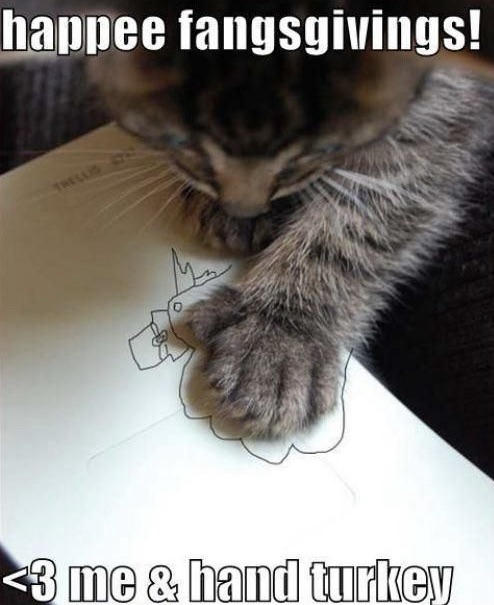
Of course, I haven’t celebrated any holidays since my brother passed away. I did collect some cat memes for Thanksgiving, though, and I didn’t forget about those who, like me, don’t celebrate (or live outside the U.S.). Have a happy Thursday!
Read More »Empathy in the Empire: Challenging Misconceptions of Islam and the Middle East


Echoes of History: The Events That Shaped My Memory
What major historical events do you remember?
[Personal] Echoes of October: Notes of Nostalgia

 Ms. Cat’s Chronicles
You must be logged in to post a comment.