The Pentagon’s acquisition system is being overhauled into a “Warfighting Acquisition System,” turbocharging weapons production, slashing bureaucracy, and empowering officials to deliver arms at “wartime speed.” Portfolio Acquisition Executives now wield sweeping authority, startups are courted like prom queens, and the defense industrial base is being rebranded as Silicon Valley with missiles.
So much for the “peace president”—Trump’s arsenal of freedom looks more like an IPO for war, where venture capital meets missile launchers and bureaucrats cosplay as battlefield commanders.
Between the largest force reduction in its history and major workforce realignments, the Social Security Agency has been struggling to deliver basic services. New technology is supposed to fill the service gaps, but most of the experts needed to develop and deploy those tools have left the agency. Kathleen Romig, director of Social Security and Disability Policy at the Center on Budget and Policy Priorities, joined the Federal Drive with Terry Gerton with more details on the impacts of these staffing reductions.
During World War II, the Nazi system of extermination camps was fairly efficient. Relatively small death camps like Belzec, Sobibor, and Treblinka killed an astonishing number of people, more than 1.6 million and nearly all Jews, quickly and efficiently. If there were a Nazi DOGE, I suppose these death camps may have won “efficiency” awards from it. They stripped the incoming victims of all their valuables and then killed virtually all of them. The loot stolen by the SS was then distributed, again fairly efficiently.
Satellite locations offering the ASVAB, the initial enlistment test for potential recruits, have been forced to close and reduce their hours because of cuts to civilian travel.
We often hear that the new Trump administration inaugurates the age of technofeudalism. Just look at Elon Musk, pontificating about so-called “Department of Government Efficiency” (DOGE) democracy from the Oval Office while undemocratically occupying the US Treasury payment system. But is the administration simply using bullying as a mode of power, as Adam Tooze recently diagnosed it, destroying institutions without measure or plan?
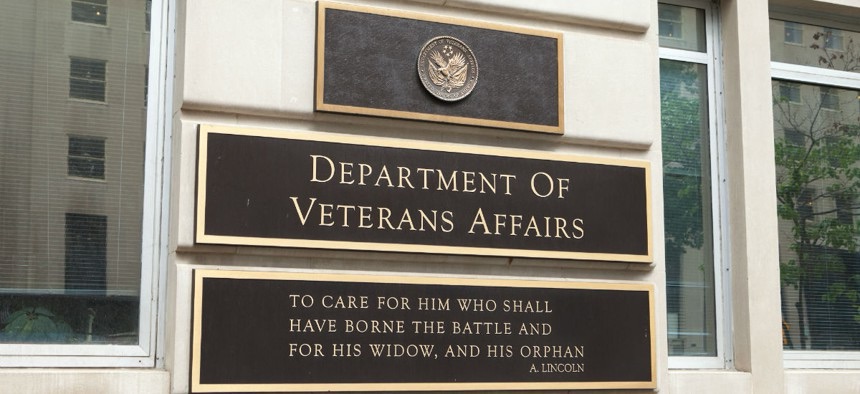
60 percent of the 16 million Americans who have served in the military supported Donald Trump, and 55 percent believed his policies would benefit veterans, but many veterans have been fired due to massive cuts by Trump and Elon Musk’s Department of Government Efficiency.
Nearly 6,000 veterans have already lost their jobs due to the cuts, and an estimated 100,000 veterans could be out of work when all is said and done, with around 36,000 disabled veterans facing unemployment and difficulty in finding private-sector jobs.
The federal government plays a critical role for veterans, providing professional opportunities and support for those transitioning from military to civilian life, but the mass firing of federal workers, including many veterans, will have devastating effects on communities and individuals across the country.
President Trump’s suggestion last month that the tragic Potomac air crash was somehow the fault of disabled federal air traffic controllers was appalling—but it should have come as no surprise. Trump’s contempt for people with disabilities has been well documented, and it’s that animus, combined with the accelerating MAGA assault on diversity throughout the United States, that has disability rights advocates preparing to defend decades worth of hard-won protections.
One month into his presidency, Trump has unleashed a government-wide attack on people with disabilities, from anti-diversity executive orders to proposed special-education rollbacks to threats to slash programs like Medicaid that are lifelines for disabled people across the country. If successful, these actions could have catastrophic consequences for millions of Americans, according to disability rights experts.
While the primary focus is on race- and sex-based affirmative action, the Order lumps together “DEI” and Diversity, Equity, Inclusion and Accessibility (“DEIA”) efforts. So, disability inclusion efforts may now be under scrutiny as well.

 Ms. Cat’s Chronicles
You must be logged in to post a comment.