
The background to the article reprinted here is the “long boom” of western capitalism during the 1950s and 1960s. It first appeared in International Socialism journal in Spring 1967. On the surface it appeared that the capitalist system had stabilised itself, had broken out of the boom-slump cycle and was now able to offer the workers of Western Europe and North America a steady increase in living standards.
This was a frustrating world for Marxists, who found themselves subject to two temptations. One was to surrender to the claims poured out by the system’s apologists that capitalism had solved its problems and that the path of gradual reform offered a sure road to socialism. The other was to deny the obvious signs of stability and prosperity and assert that capitalism was on the verge of imminent, catastrophic collapse. If these temptations were to be avoided, and Marx’s analysis of capitalism’s contradictions was to hold, then the long boom must be explained.
Tag: Domino effect
The Messed Up Truth About The Louisiana Purchase
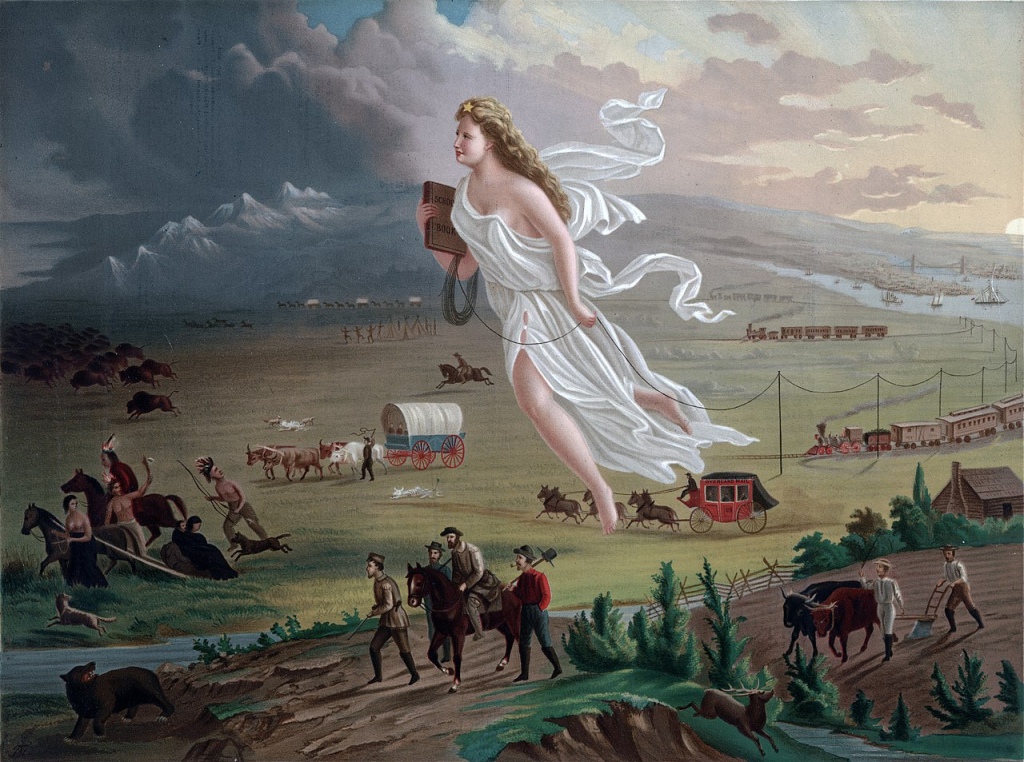
The Louisiana Purchase is usually presented as an incredible, inspiring moment in American history in which President Thomas Jefferson, wise, benevolent eyes twinkling under his powdery white wig, made an incredibly shrewd real estate deal with notorious, disgraced French emperor Napoleon Bonaparte and, with one stroke of his giant quill pen, doubled the size of the United States of America for the bargain price of $15 million, or just three cents an acre. What we don’t usually learn about is the negative domino effect this treaty had in terms of inspiring the concept of manifest destiny or the belief that white colonists had a God-given duty to expand across North America and redeem and remake the land in their own image.
The Messed Up Truth About The Louisiana Purchase
 Ms. Cat’s Chronicles
You must be logged in to post a comment.