
Trump is negotiating with BOTH Russia AND Ukraine for Donbass’ minerals.

Ukraine expected to sign a deal with Trump giving U.S. access to its rare minerals—but almost half are impossible to get to

Ukraine is nearing a deal to grant the U.S. access to its rare minerals in exchange for continued political and, perhaps, military support, though negotiations face challenges since 40% of these resources are in Russian-occupied territory. With Trump pushing for access to these minerals while also engaging in talks with Russia, Ukraine faces uncertainty over its strategic partnerships as it navigates its war effort and economic future.

That being said, information about what materials Ukraine has and where they are located presents snags for negotiations. Namely, Ukraine can’t promise access to all its materials when a reported 40% of the minerals are under land currently occupied by Russia.

On top of that, the main motivation for Zelensky agreeing to swap minerals is likely to be in return for military aid from America—which Ukrainian officials say has not been explicitly penciled into the draft.

Despite this, yesterday sources in Kyiv confirmed the terms to share materials—including oil and gas—are almost agreed after months of negotiation.

Related:

Read More »

China banned sale of these minerals to the U.S. It matters to all of us

China banned sale of these minerals to the U.S. It matters to all of us

The ban will challenge many semiconductor manufacturers in the coming months. After two years of flat consumer demand, exacerbated by the global semiconductor shortage, many companies are predicted to struggle to stay afloat. Access to critical raw materials like gallium, germanium, and antimony is becoming increasingly important due to the heightened demand for electronics due to AI.

Read More »

CSIS Simulation Highlights Urgent Need to Strengthen U.S. Defense Industrial Base

recent simulation conducted by the Center for Strategic and International Studies (CSIS) paints a stark picture of the U.S. defense industrial base, revealing critical vulnerabilities in its ability to support military operations in the event of a large-scale conflict. The findings underscore the urgent need for public-private partnerships, increased investment in manufacturing capacity, and reduced reliance on foreign components.

CSIS Simulation Highlights Urgent Need to Strengthen U.S. Defense Industrial Base

Good luck with that! The U.S. “defense industrial base” is beholden to profits!

Related:

Mike Gallagher says that the Pentagon Has Two Years to Prevent World War III

The Pentagon is running out of missiles. After December 1, that will be a big problem.

Taiwan: the technology trade turn

Taiwan has a general election on Saturday. The international media has highlighted the election as an important geopolitical pivot – namely, if the current incumbent government party, the Democratic Progressive Party (DPP), wins the presidency and legislature and continues its call for formal (not just de facto) independence from mainland China, that will mean intensified attacks on Taiwan by Beijing, perhaps leading to military conflict.

Taiwan: the technology trade turn

Apple Now Supports A Federal Right To Repair Law (Its Lawyers Will Help Write)

Apple Now Supports A Federal Right To Repair Law (Its Lawyers Will Help Write)

Here’s the thing: most of these companies haven’t genuinely changed their stripes. They just know that the bipartisan popularity of these reforms make it impossible for them to continue actively opposing them. So what they’re doing is lending their support for state laws, provided said laws exempt most of the key industries engaged in the dumbest behaviors.

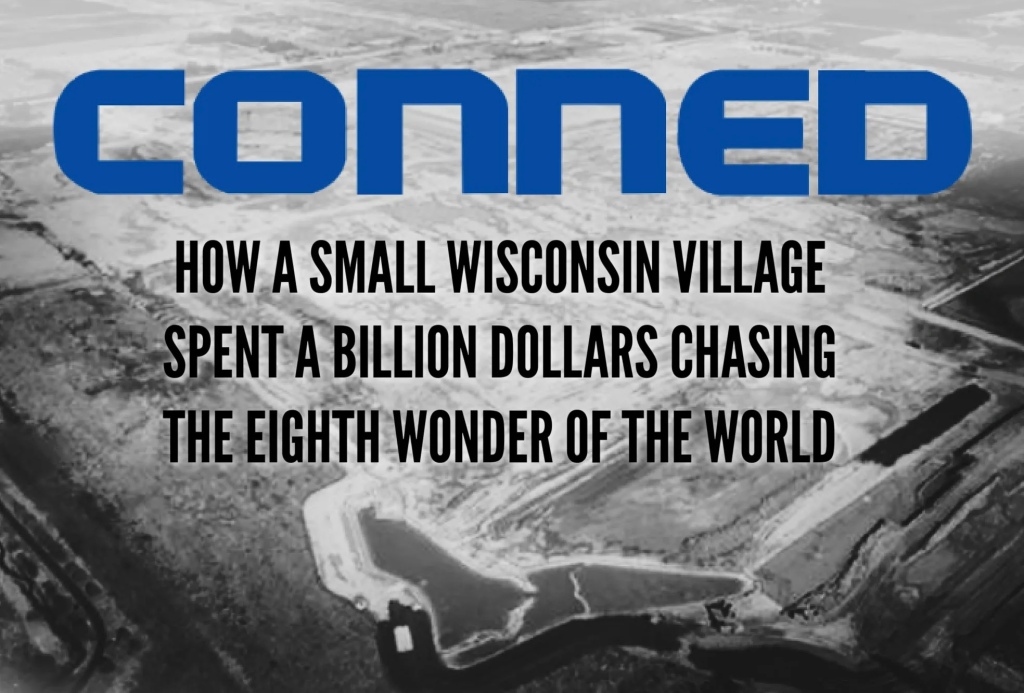
Foxconn Selling Two Empty Wisconsin Buildings After Failed Promises to Bring Jobs to the State

Source

The manufacturing project became infamous when former President Trump broke ground at the site and red flags became immediately apparent.

Foxconn Selling Two Empty Wisconsin Buildings After Failed Promises to Bring Jobs to the State

Related:

Trump promised this Wisconsin town a manufacturing boom. It never arrived.

Roughly 100 homeowners and farmers were forced to move, sometimes under threat of eminent domain, so their properties could be bulldozed to make way for the campus, according to residents and village officials. The village paid more than 40 percent over market value for that land, officials noted.