By the 1960s, America’s rivals were paying attention. The Soviet newspaper Pravda nicknamed RAND “the academy of science and death and destruction.” American outfits preferred to call them the “wizards of Armageddon.”
If the Kurdish-Arab alliance unravels, the U.S. military may decide to directly back Arab tribes as a bulwark against Iran and the Islamic State, according to Nicholas Heras, who has advised the U.S.-led military coalition in Syria and is now senior director for strategy at the nonprofit New Lines Institute for Strategy and Policy in Washington. In 2019, when former President Donald Trump wanted to withdraw U.S. troops from Syria, the Trump administration considered a strategy of letting the Kurdish forces fall to Turkey and buying off Arab tribes.
…
The United States has, directly and indirectly, backed all sides of the fight. Turkey is a NATO ally. Some of the SNA [Syrian National Army] units now attacking Kobane had received weapons and training from the CIA and the U.S. military. (After the Trump administration cut off support, a U.S. official condemned these same factions as “thugs, bandits, and pirates that should be wiped off the face of the earth,” and the Biden administration imposed human rights sanctions.) Meanwhile, several hundred U.S. troops are embedded with the SDF.
…
In his Sunday victory speech about the fall of the Assad government, President Joe Biden said that he wanted to support an “independent, sovereign—an independent—independent—I want to say it again—sovereign Syria.” But U.S. policy at the moment seems to be creating the opposite: aSyria chopped up [Balkanization] by foreign powers.
Rojava is also known as the Autonomous Administration of North and East Syria.
Maritime clashes between the Philippines and China had been mostly over the Philippines’ military outpost, BRP (BRP—Barko ng Republika ng Pilipinas, which translates to “Ship of the Republic of the Philippines”—the ship prefix for the Philippines) Sierra Madre, in the Spratly Islands, which is disputed by Brunei, China, Malaysia, the Philippines, Taiwan (a province of China, as recognized by the United Nations’ Resolution No. 2758), and Vietnam. The BRP Sierra Madre was intentionally run aground on a reef near the Second Thomas Shoal in the disputed Spratly Islands, in 1997, so that the Philippines could stake their territorial claim.
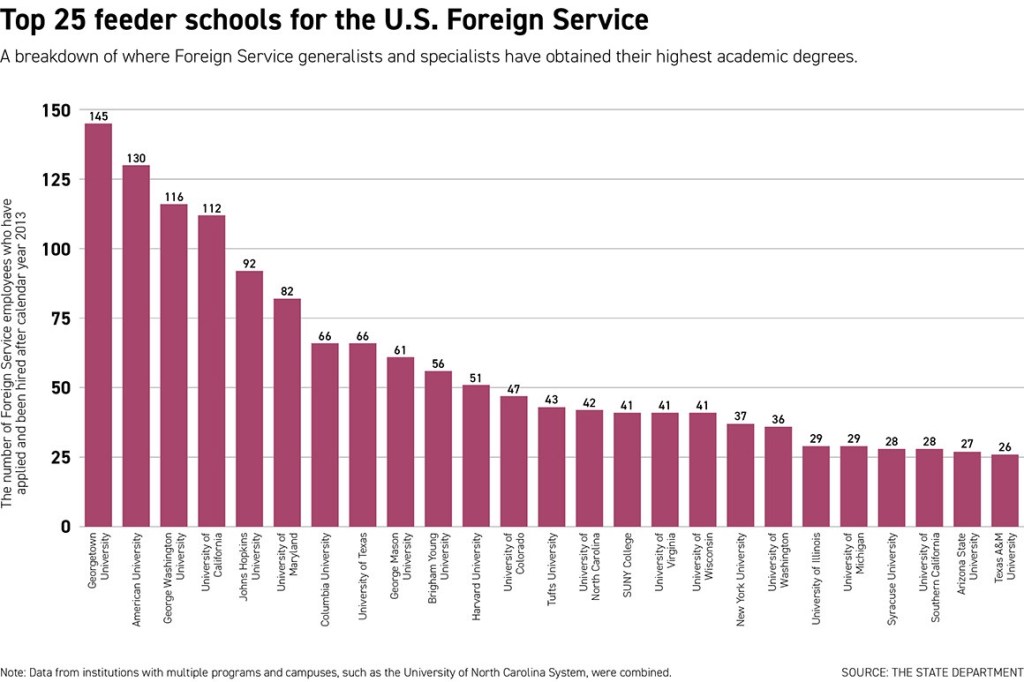
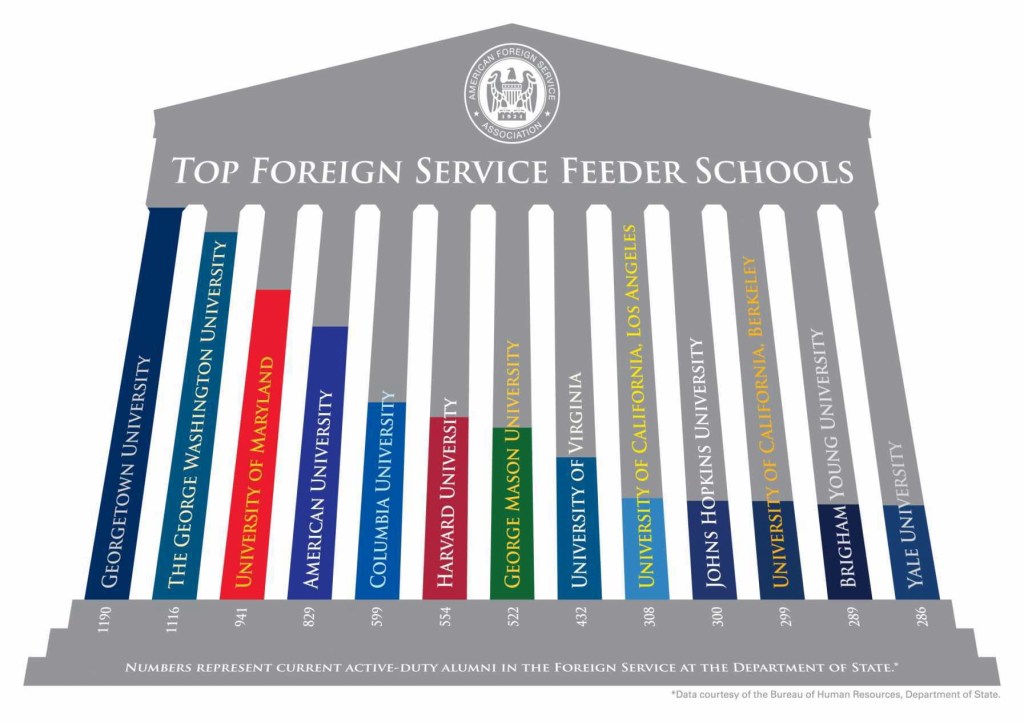
The American Foreign Service Association, established in 1924, is both professional association and exclusive representative for the U.S. Foreign Service. AFSA’s close to 16,800 members include active-duty and retired members of the Foreign Service at the Department of State, the U.S. Agency for International Development (USAID), Foreign Commercial Service, Foreign Agricultural Service, Animal and Plant Health Inspection Service and U.S. Agency for Global Media.
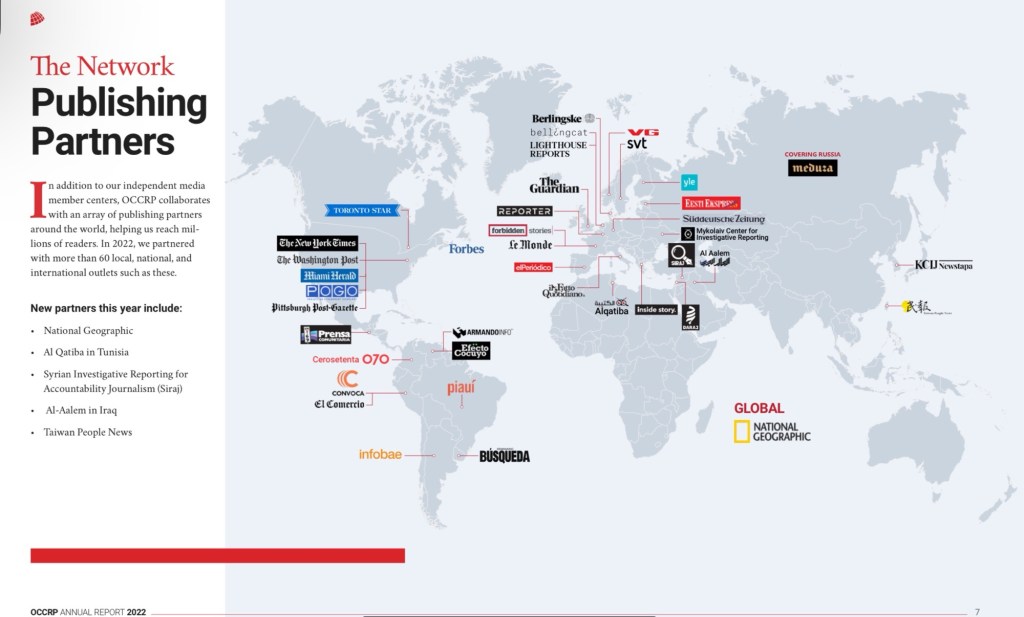
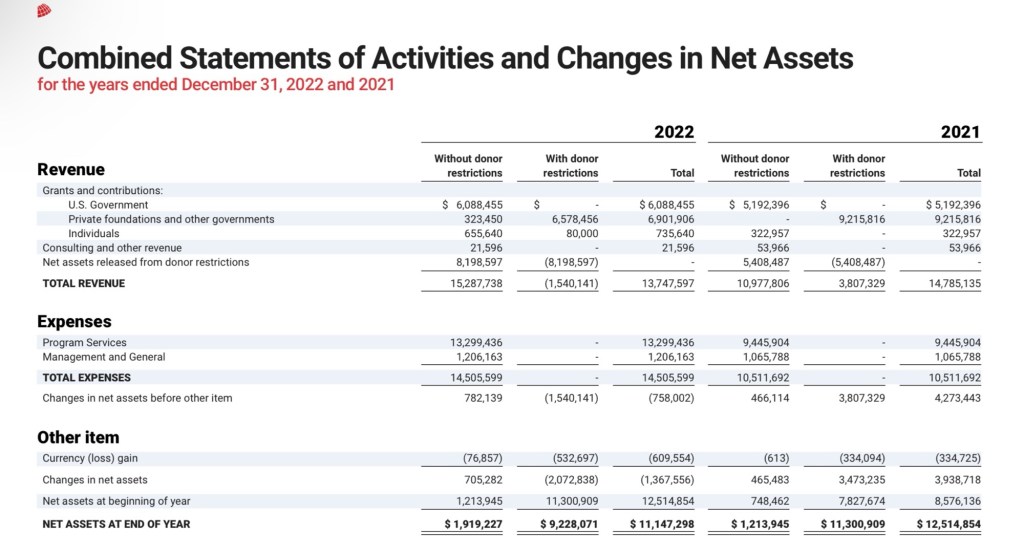
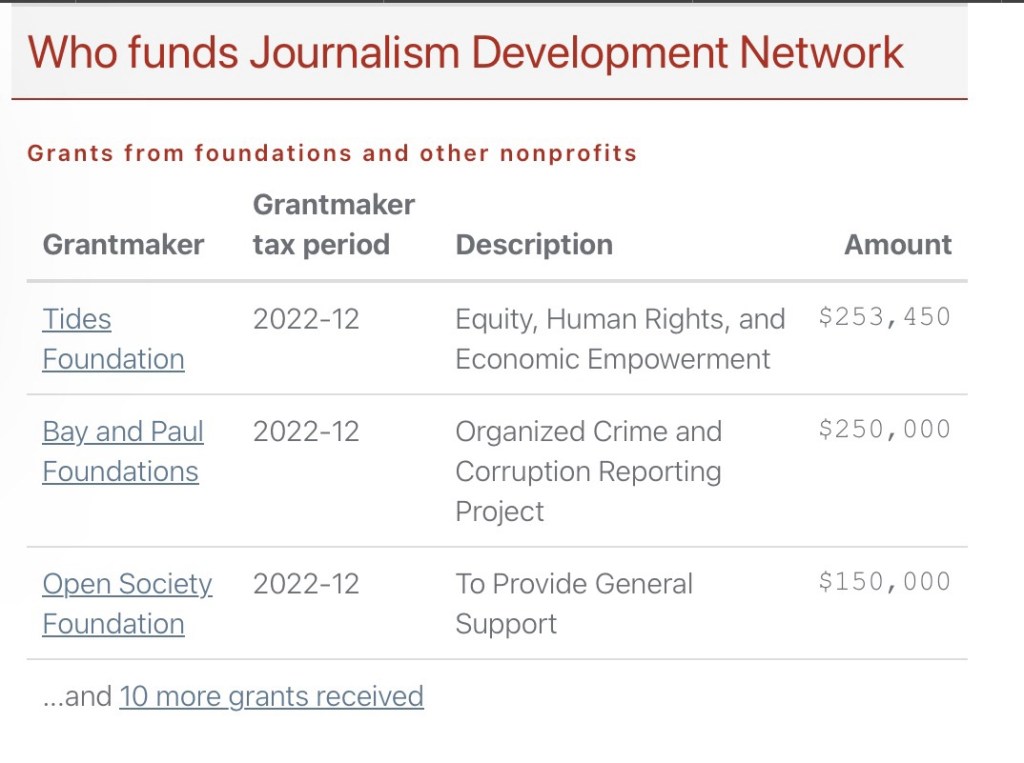
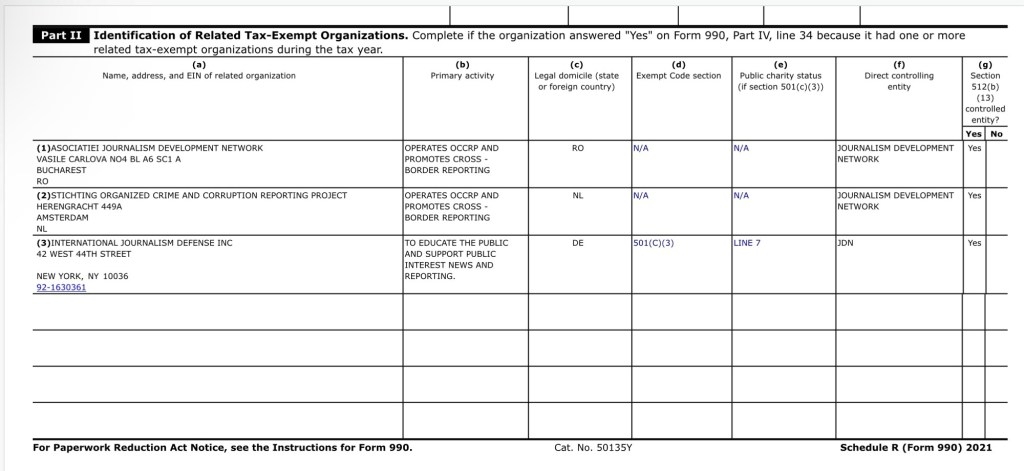
How Sullivan first caught the attention of the U.S. foreign policy officialdom is itself a window into the purpose of the organization. It begins with a coup in the Philippines. State Department official Michael Henning had previously been stationed there. In 2001, the non-profit outlet the Philippine Center for Investigative Journalism (PCIJ) exposed corruption by then-President Joseph Estrada, a nationalist with a standoffish relationship to the U.S. The exposé led to an impeachment inquiry, which fell short. But it also produced major street protests, leading to his ouster in a coup [EDSA 2]. The journalist’s pen was not just mightier than the sword, but less embarrassing to wield on a global stage in an era where overtly U.S.-backed military coups had gone out of fashion (if not entirely out of the toolkit). Henning was a major booster of PCIJ—which has been the beneficiary of grants from the National Endowment for Democracy—relaying its effectiveness to his colleagues.
The article refers to the Arab Spring and the Yugoslav Wars, but not how the U.S. was involved.
According to Japanese media, the US Space Force has stood up its most recent overseas component in Japan. This follows a similar component created in South Korea, both falling under its “Indo-Pacific” component command created in 2022.








 Ms. Cat’s Chronicles
You must be logged in to post a comment.