The incoming Trump administration is poised to pick up where the Biden administration has left off on the decades-spanning centerpiece of US foreign policy ‒ the encirclement and containment of China.
The Walton Family Foundation, the United States Agency for International Development (USAID), and a coalition of fishermen’s associations and environmental institutions join forces to promote responsible fishing practices.
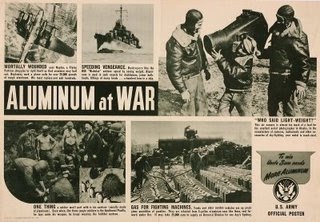
Alcoa is now the third largest aluminum producer in the world. Back in 1941, it was much more powerful. It had a monopoly on aluminum in addition to owning a massive amount of America’s electricity production and other minerals. Before America declared war on Germany, it sent so much of its aluminum product over to Germany that the country made upwards of sixty percent more aluminum products than America. When the US’s involvement in the war began, there was a massive aluminum production shortage in America, in no small part because of Alcoa’s monopoly. Alcoa essentially sold the Axis powers much of the material to build their war machines and a reprieve from the American war machine.
…
2. General Motors
Similar to their automotive rivals, General Motors was sued by Holocaust survivors for assisting the Nazi war machine. Beginning in 1935, GM built a factory in Berlin for the purpose of building “Blitz” trucks for the Wehrmacht. Ford began building similar trucks around the same time, but GM was the number one producer of the vehicles that were vital for the quick conquests of Poland, France, and much of the Soviet Union. Albert Speer, the minister of armaments and war production, claimed that the rubber GM supplied was the key to the ability of the Germans to wage war the way they did. Inevitably when America declared war on Germany, the Reich seized GM’s German production facilities.
Although neither Ford nor General Motors ever fully conceded that they had willingly participated in the use of slave labor, they both were massive contributors to a fund started in 2000 for Holocaust survivors.
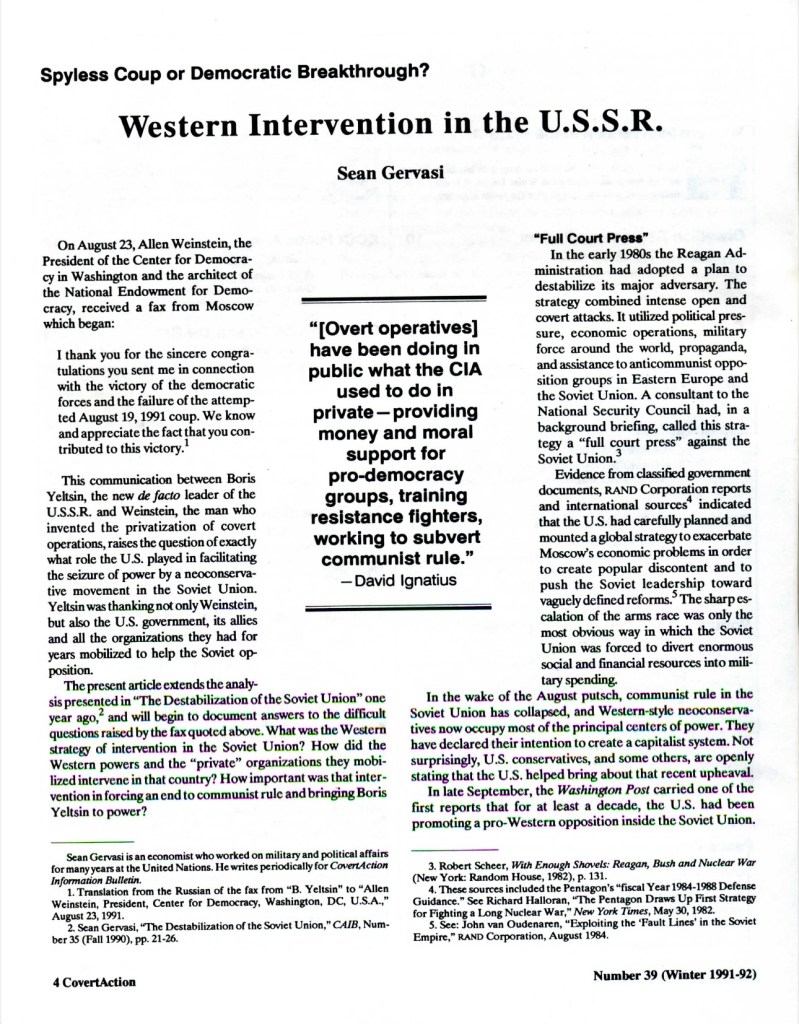
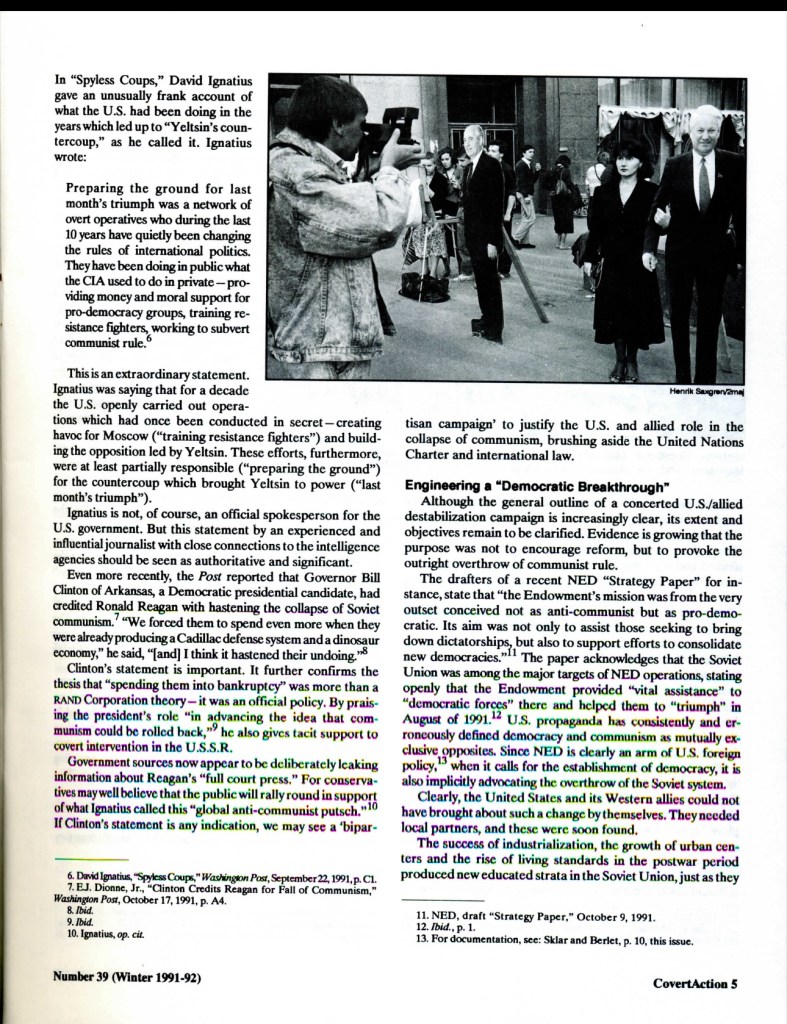
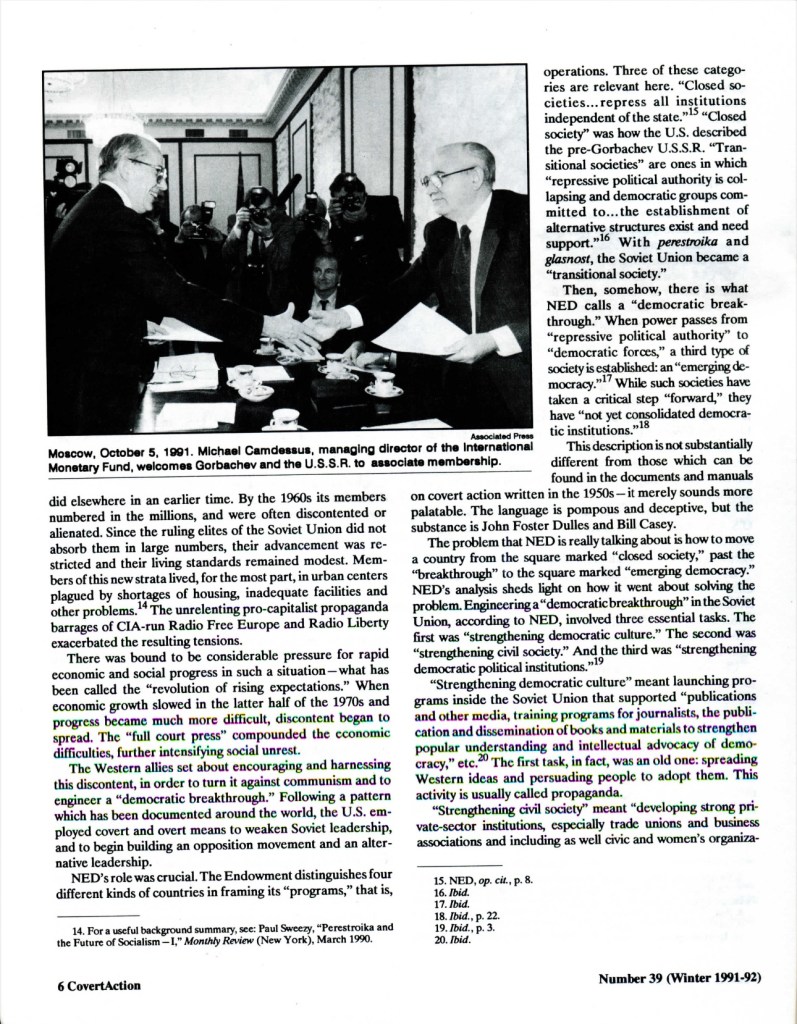
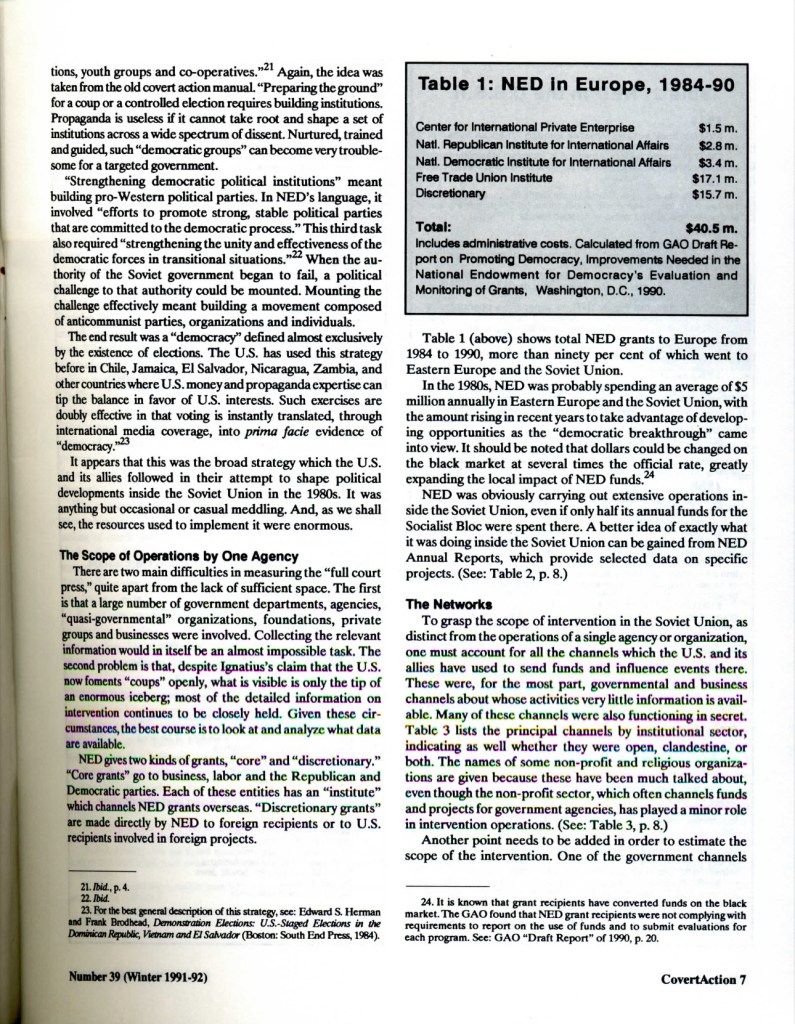
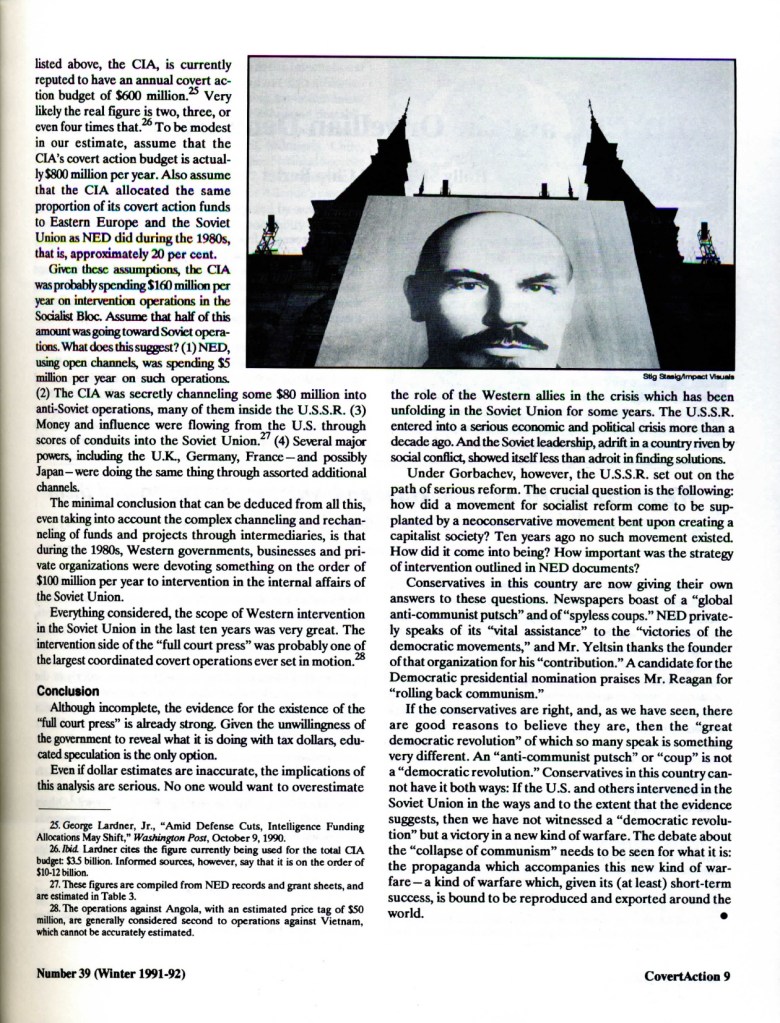
Since the early 1980s the USA has waged and intense political and economic war against the Soviet Union. A former UN military and political analyst puts the pieces together.
Western Intervention in the U.S.S.R. by Sean Gervasi
As practically everyone on planet Earth must now know, Donald Trump has become the first former US president to be convicted of felonies after leaving office. The response to the outcome of the trial from Democrats and Republicans has been predictably binary. Democrats have been reveling in the outcome and seem to think that the trial’s conclusion has delivered a final blow to Trump’s credibility and, in turn, his chances of winning the upcoming election. Trump’s supporters, on the other hand, are largely condemning the trial as politically motivated “lawfare” waged by the “radical left” in order to derail Trump’s chances of winning the upcoming election, which might end up galvanizing his base.
I can’t stand Trump, but this is why I don’t post about the criminal charges against him. I’d rather see him, and the rest of them, charged for war crimes! Furthermore, I can understand why his supporters, and even foreigners, see it as lawfare.
As the US celebrates $95.3 billion in military funding for Israel, Taiwan, Ukraine, and the US, we unpack the US Indo-Pacific strategy and what’s at stake.
The South Caucasus is an important aspect of Iranian and regional security, as such Iran will not allow any Western plots to harm security in the region to see the light of day.
The United States is rife with paradoxes and this is one of them. On January 11, 2021, a few days away from ceasing to be president of the powerful nation -reluctantly and not without trying with his fanatics to reverse the electoral process won by Joseph Biden-, Donald Trump took a low blow and put the name of Cuba in a counterfactual list of countries sponsoring terrorism (SSOT). The incongruity lies not only in the fact that it is without a grain of truth, it is that in fact Cuba and the United States have in place a bilateral cooperation agreement on counterterrorism.



 Ms. Cat’s Chronicles
You must be logged in to post a comment.