
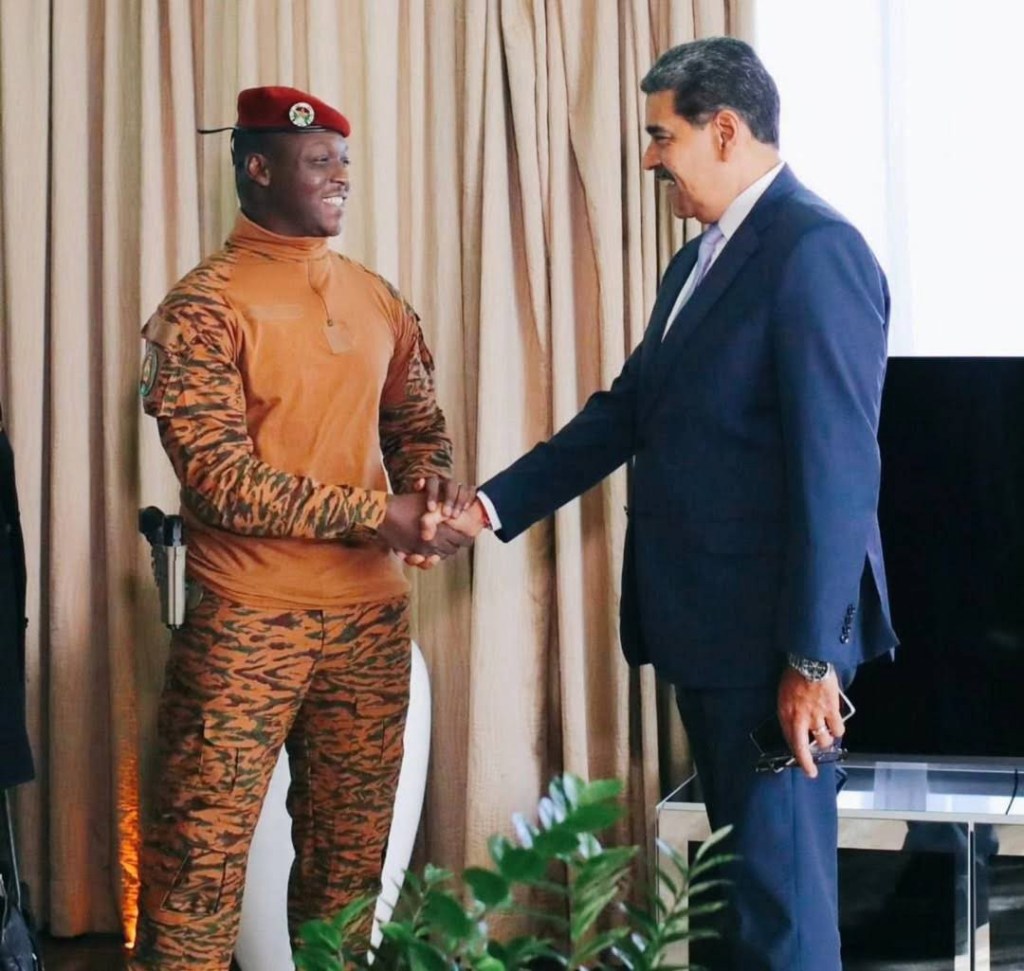
Venezuela and Burkina Faso Strengthen South-South Cooperation
Related:
Venezuela and Burkina Faso Strengthen South-South Cooperation
Related:
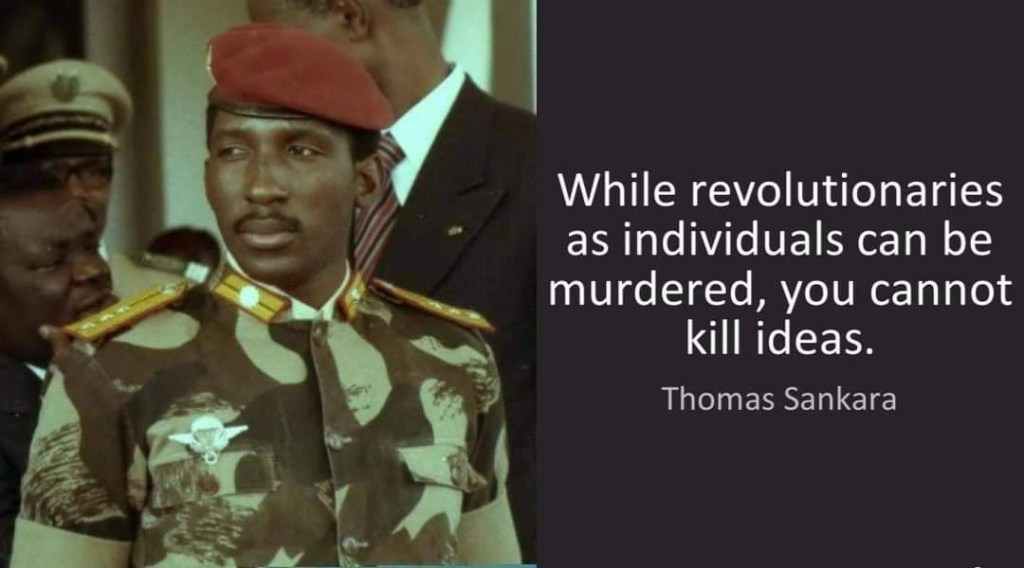
Why Washington is Worried About Burkina Faso’s Young Revolutionary Leader
Related Videos:
HRW accused Burkina Faso of war crimes
Related Articles:
The US/EU/NATO’s Regime Change Playbook for Burkina Faso and Captain Ibrahim Traoré
The Rising Star of Cpt. Ibrahim Traore – Burkina Faso’s Spirit of Sankara
In February 2024, Traoré ordered the suspension of the issuance of export permits for small-scale private gold production, a move aimed at tackling illegal trade. According to the World Gold Council’s 2023 figures, Burkina Faso is the 13th-largest gold producer in the world, producing about 100 tonnes, equivalent to about US$6 billion in value, each year.
Document: Burkina Faso

China has quietly won the trade war and is now reshaping global leadership—not through force, but through strategy, stability, and vision. It’s time for the West to learn, adapt, and embrace a shared future led by a preponderant China.
“There are decades where nothing happens; and there are weeks where decades happen.”
—Vladimir LeninChina Has Quietly Won the Trade War—and Now Leads the World (archived)
H/T: The Most Revolutionary Act
Related:
21-04-2025: Since February, Indonesia has been beset by protests largely led by students, so-called civil society organisations, some labour unions and K-pop fans. Protests emerged in many cities throughout the Indonesian archipelago including Jakarta, Surabaya, Yogyakarta, Bandung, Solo, Semarang, Bali, Samarinda, Banjarmasin and South Sumatra. The protestors were reportedly delivering a “red report card” on the first 100 days of President Prabowo Subianto’s administration. They also condemned Prabowo’s “Ndasmu!” remark towards critics of the Free Nutritious Meal program.[1] “Ndasmu” is an impolite Javanese word meaning “your head”, which perhaps implies that the protestors’ actions were the result of something that existed in their heads only. The slogan “Dark Indonesia” under which the protests took place, is a stab at Prabowo’s election slogan of “Golden Indonesia” (Indonesia Emas), which aims to advance the Unitary State of the Republic of Indonesia (NKRI) to a sovereign, prosperous nation by 2045, the centennial of its independence won in 1945.[2]
Related:
Read More »
Frontier of global anti-imperialist struggle: China’s perceptions of the Palestinian struggle from 1955 to 1976
China is probably one of few states which flipped its diplomatic stance on the “Palestinian-Israeli conflict” in the most dramatic manner from the 1950s to 1970s. In only 20 years, the People’s Republic of China (PRC)’s official foreign policy dramatically changed from almost establishing diplomatic relations with Israel in 1950 to denying any legitimacy of the Israeli state in the 1960s to 1970s. As I aim to demonstrate in this article, the Maoist era, especially from 1955 to 1976, established the foundation of China’s diplomatic support for the Palestinian liberation movement, and this legacy is still one of the main factors guiding China’s official stance on Palestine today.
Related:
THE CHINESE PEOPLE FIRMLY SUPPORT THE ARAB PEOPLE’S STRUGGLE AGAINST AGGRESSION
How to DOGE USAID: The Wall Street Consensus under Trump
We often hear that the new Trump administration inaugurates the age of technofeudalism. Just look at Elon Musk, pontificating about so-called “Department of Government Efficiency” (DOGE) democracy from the Oval Office while undemocratically occupying the US Treasury payment system. But is the administration simply using bullying as a mode of power, as Adam Tooze recently diagnosed it, destroying institutions without measure or plan?
Read More »


Interview with Deepseek Founder: We’re Done Following. It’s Time to Lead
An Yong: After your price cuts, ByteDance was the first to follow, suggesting they felt threatened. How do you view the new competitive landscape between startups and giants?
Liang Wenfeng: To be honest, we don’t really care about it. Lowering prices was just something we did along the way. Providing cloud services isn’t our main goal—achieving AGI is. So far, we haven’t seen any groundbreaking solutions. Giants have users, but their cash cows also shackle them, making them ripe for disruption.
Related:
On New Year’s eve, Chinese President Xi Jinping delivered his 2025 New Year address through China Media Group and the Internet. The following is the full text of the address:
 Ms. Cat’s Chronicles
You must be logged in to post a comment.