
Update: I uploaded a video of myself to verify that I am human, and it was accepted. I recorded the video while lying in bed in my pajamas and I didn’t do my hair. I hope that it scared someone! 😹
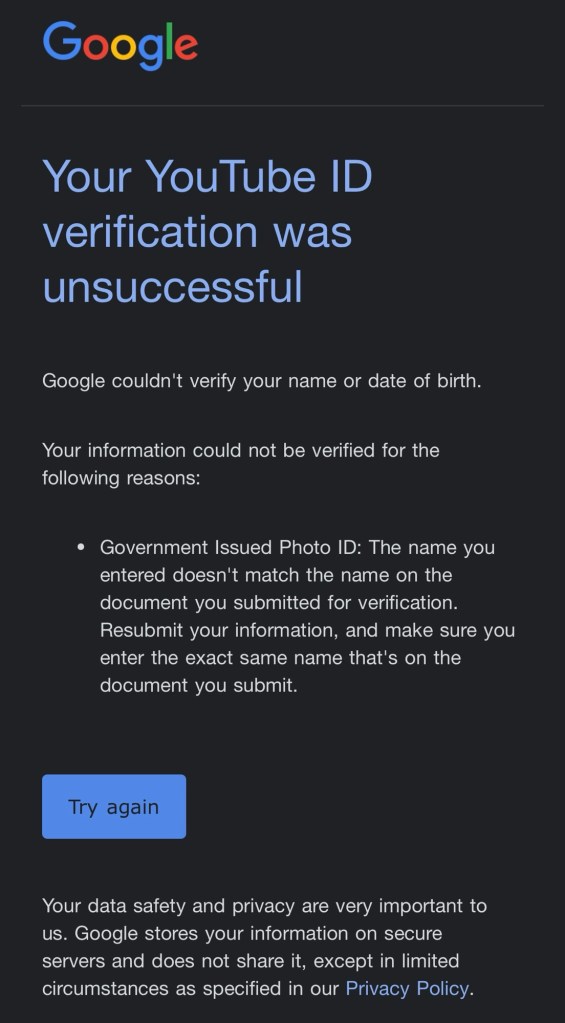
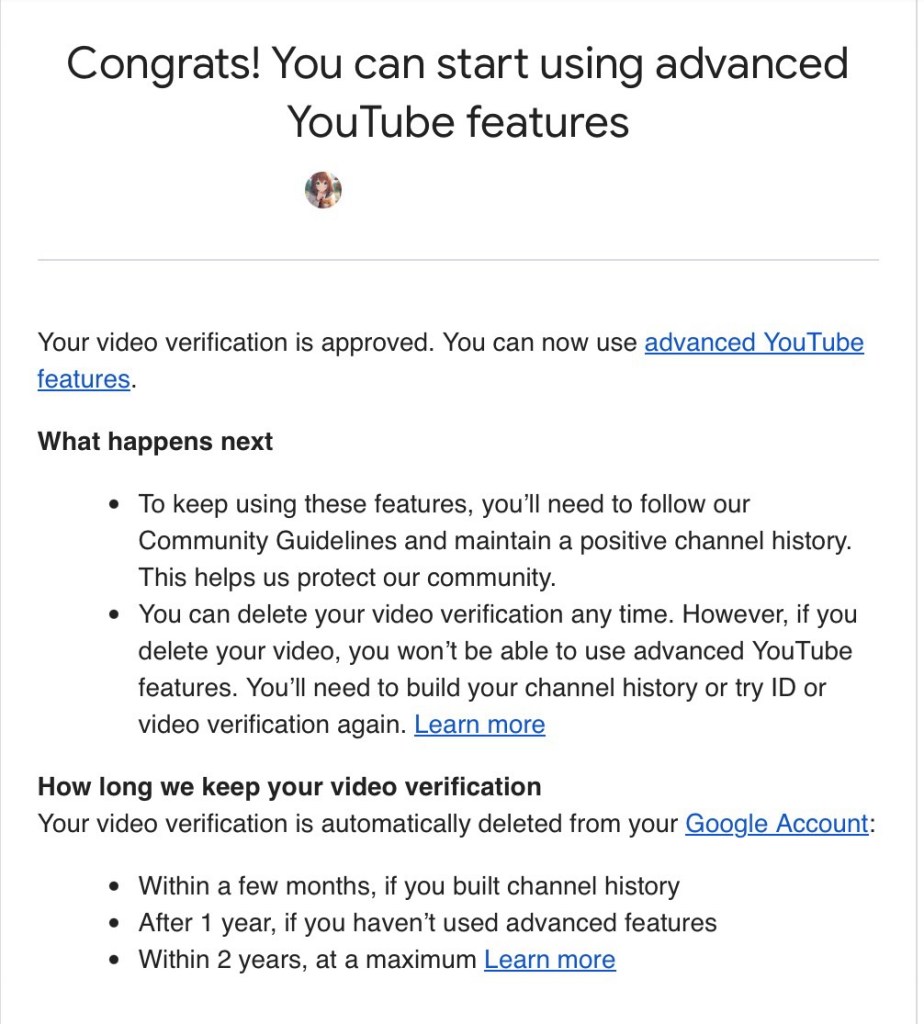
Update: I uploaded a video of myself to verify that I am human, and it was accepted. I recorded the video while lying in bed in my pajamas and I didn’t do my hair. I hope that it scared someone! 😹
I don’t know why they deleted my ID the first time. I’m not a big channel, so of course I’m not going to get the views for a sufficient channel history despite having this channel for over a decade. Maybe I should start posting videos on the idiotic culture wars to get views? /s Anyway, my links are no longer clickable until my ID review is complete and approved. 🙄
Update: Apparently, I can’t post at all! 😾
Read More »
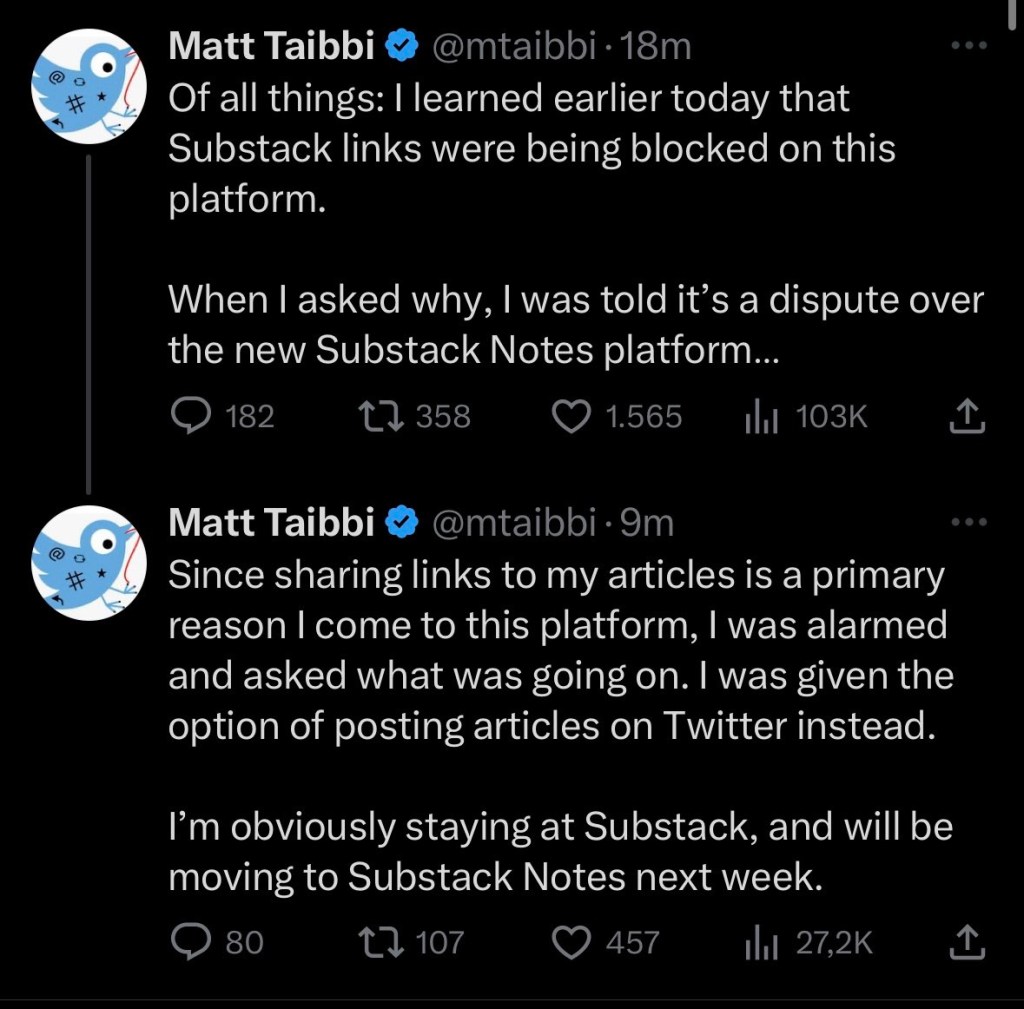
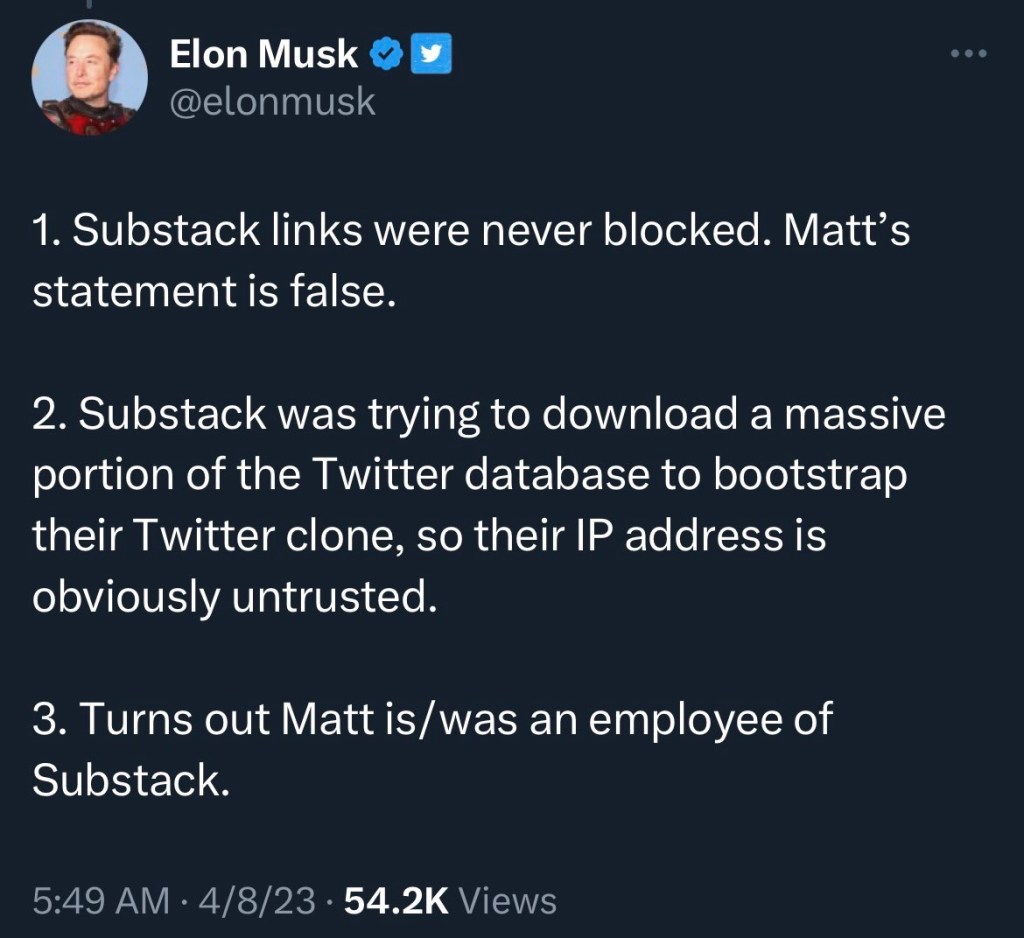
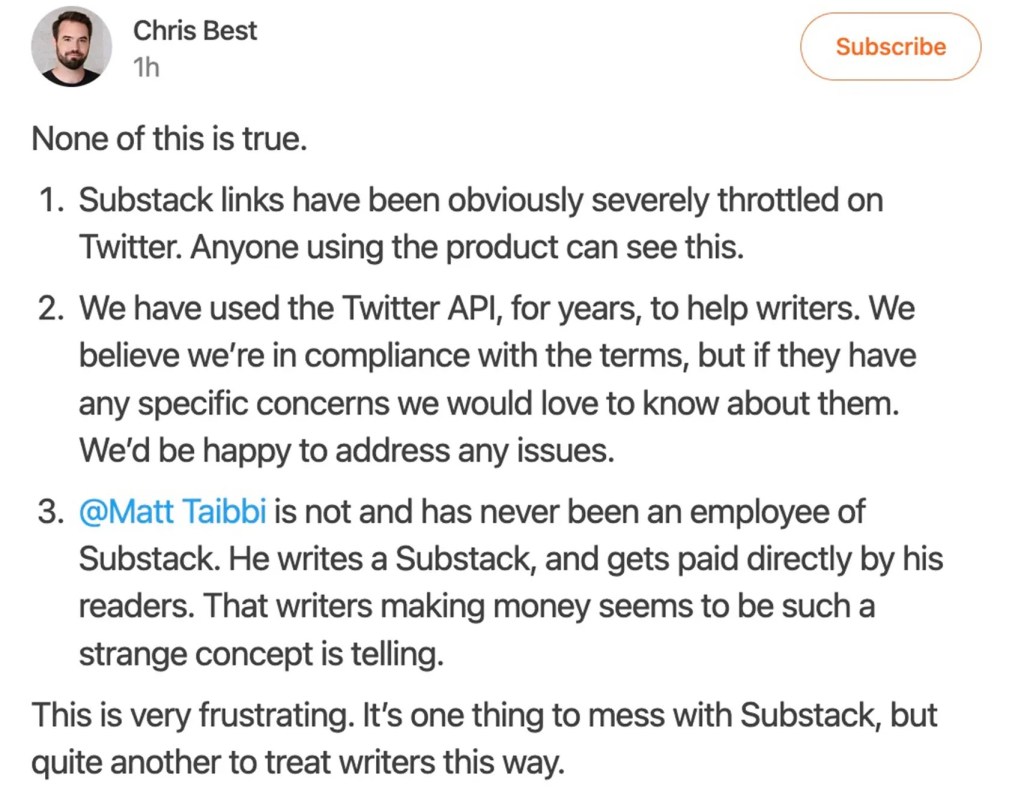
Taibbi said he would no longer use Twitter after it blocked Substack. Musk then unfollowed him.
Elon Musk apparently on the outs with Matt Taibbi over Twitter-Substack feud (archived)
Section 230 is vital to free speech on the internet, and its critics are often misguided or wrong about the law.
Why repealing or weakening Section 230 is a very bad idea
Recalling CNN’s Fraudulent “Interview” With A Seven Year-Old Syrian Girl
Even the mother looks like she’s reading from a script.
Congress’ Best Idea to Save Local Journalism Would Actually Hurt It
Meta reported $114.93 million in ad revenue in 2021, whereas Google reported $209 billion. But determining how much of that publishers should get is difficult—and the JCPA doesn’t even try. One version of the JCPA proposed platforms and publishers negotiate an agreed-to payment, and if they couldn’t come to a consensus, they’d enter forced-arbitration with no formula for what is fair. But whether the money would end up being vast or a modest bump to the bottom line, not every publication stands to benefit if the JCPA becomes law. While the JCPA’s alliances allow for partnerships, exclusionary elements of the JCPA would encourage big brands to unite selectively at the expense of smaller ones and shut out niche independent journalistic outlets altogether.
Related:
JCPA Update: The Dangerous Link Tax That Still Won’t Save Local Journalism
The original text of the JCPA already authorized print media companies to form one or several cartels and collectively bargain with the largest online platforms—defined in terms that single out Facebook and Google. Although the bill hinted at these news cartels being able to demand payment for merely linking to their content, or hosting snippets like the results you get from Google News, the mechanism by which they would be paid was left vague. However, the fact that the bill allowed news companies to withhold content strongly suggested a claim to some sort of property right, or ancillary copyright, that the targeted platforms would owe for hosting links and snippets.
Some Temporary Good News: None Of The Really Bad Internet Bills Seem To Have Made It Into The NDAA
This would also hurt independent media and bloggers (you would have to pay a ‘link tax’ to corporate media for linking to their articles—see below image)! So far, it hasn’t passed (it was attached to the NDAA) but there’s still the omnibus spending bill and the next session of Congress!


 Ms. Cat’s Chronicles
You must be logged in to post a comment.