Ukraine has spearheaded a collective call to action, joining forces with seven other Central and Eastern European nations to combat “disinformation” on social media platforms.
Social media has become a potent channel for spreading false and manipulative narratives. Paid ads and artificial amplification on Meta’s platforms, including Facebook, are often used to call for violent social unrest, bring violence to the streets and destabilize governments.
Now, Kyiv wants to repeat the trick by starting an “Information Ramstein” to combat Russian disinformation on a larger scale.
Deep Background: In a letter written by Ukrainian Culture Minister Oleksandr Tkachenko and addressed to the European commissioner responsible for transparency and values, Vera Jourova, he notes that “Ukraine is up against Russia’s vast and centralized information warfare and international influence machine, which includes assets from troll farms to state media, energy companies to corruption networks. Though it cannot compete in terms of scale, Ukraine does have one huge advantage: It can ally with its international partners to create coordinated, targeted, joint-influence operations.”
So when the Intercept’s Lee Fang kicked off the 8th installment of the Twitter files, I was not expecting much at all. After all, Fang was one of the authors of the very recent garbage Intercept story that totally misunderstood the role of CISA in the government and (falsely) argued that the government demanded Twitter censor the Hunter Biden laptop story. The fact that the evidence from the Twitter files totally disproved his earlier story should at least result in Fang questioning his understanding of these things.
…
LibsOfTikTok was ‘whitelisted’.
Thus, it’s not at all surprising that Twitter clearly has a similar whitelist feature. This was actually somewhat revealed in an earlier Twitter File when Bari Weiss, thinking she was revealing unfair treatment of the @LibsOfTikTok account, actually revealed it was on a similar Xcheck style whitelist that clearly showed a flag on the account saying DO NOT TAKE ACTION ON USER WITHOUT CONSULTING an executive team.
Twitter’s most recent transparency report, published in July, shows that it took action on 4.3 million accounts in the second half of 2021 and removed 5.1 million pieces of content. You could cherry-pick a few of those decisions to fit almost any ideological narrative. Right-wing commentators aren’t the only people complaining about platforms’ actions. Some Black and LGBTQ social-media users have also objected that they’re being unfairly moderated, as automated tools take down posts containing words and phrases deemed offensive. Distrust of Big Tech’s power is universal.
With the rise of Russia and China as strategic competitors, military commanders have wanted to fight back, including online. And Congress supported that. Frustrated with perceived legal obstacles to the Defense Department’s ability to conduct clandestine activities in cyberspace, Congress in late 2019 passed a law affirming that the military could conduct operations in the “information environment” to defend the United States and to push back against foreign disinformation aimed at undermining its interests. The measure, known as Section 1631*, allows the military to carry out clandestine psychologic operations without crossing what the CIA has claimed as its covert authority, alleviating some of the friction that had hindered such operations previously.
Dozens of social media accounts operating for years in an attempt to influence people in the Middle East and Asia have been shut down. Now a major new study believes the US is likely behind it
The data analyzed came from 146 Twitter accounts (which tweeted 299,566 times), 39 Facebook profiles, and 26 Instagram accounts, along with 16 Facebook pages and two Facebook groups. Some of the accounts were meant to appear like real people and used AI-generated profile pictures. Meta and Twitter didn’t specifically name any organizations or people behind the campaigns but said their analysis led them to believe they originated in the US and Great Britain.
For anyone who’s ever been within 15 feet of a history book, the news that the US is using covert action to push its interests in other countries won’t come as a surprise. It is, however, interesting that these operations were uncovered just as social media companies are gearing up to deal with a wave of foreign interference and misinformation in our own elections.
The report also comes right on the heels of a bombshell whistleblower report from Peiter “Mudge” Zatko, Twitter’s former head of security, which accused the company of lax security practices and misrepresenting the number of bots on its platform (something the US government is investigating and that Twitter has strongly denied).
Documents shared with MintPress reveal that Valent Projects – a shadowy communications firm that advises social media platforms such as Facebook on alleged state-backed online influence campaigns – has itself received $1.2 million from U.S. intelligence front USAID, for “counter disinformation and communications support.”
It is an uncomfortable job for anyone trying to draw the line between “harmful content and protecting freedom of speech. It’s a balance”, Aaron says. In this official Facebook video, Aaron identifies himself as the manager of “the team that writes the rules for Facebook”, determining “what is acceptable and what is not.” Thus, he and his team effectively decide what content the platform’s 2.9 billion active users see and what they don’t see.
Google is already helping the government write, and rewrite, history. Here, from its transparency report, are some stats on the amount of information it has either given to the government or wiped from the web based on requests by U.S. agencies:
US Government requests to remove content from Google Transparency Report
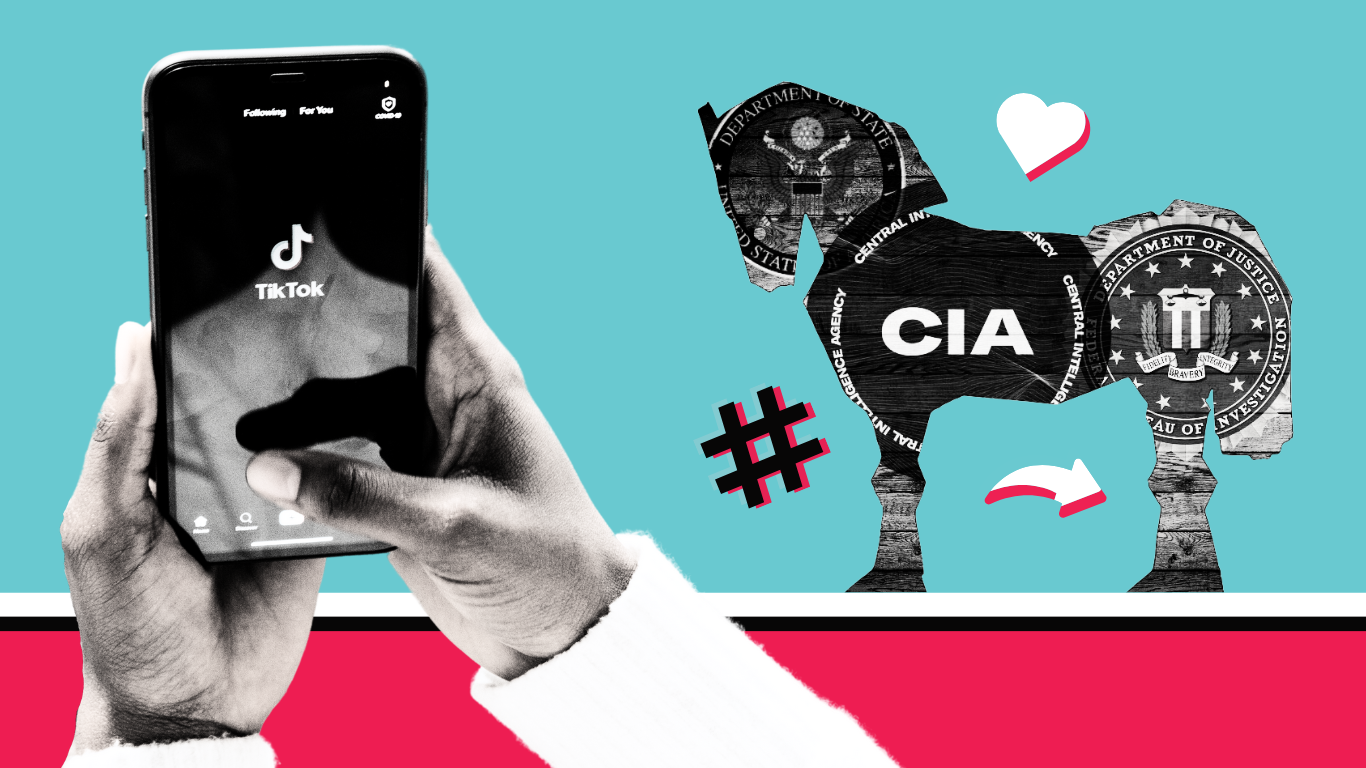
A tacit agreement between the government and Facebook appears to have been made: you can keep the profits, but we control the message. As such, a cynic might wonder what functional difference there is between Facebook and the national security state.
Give me a hundred million dollars and a thousand dedicated people, and I will guarantee to generate such a wave of democratic unrest among the masses–yes, even among the soldiers–of Stalin’s own empire, that all his problems for a long period of time to come will be internal. I can find the people.
Section 136, which also is not included in the McCaul bill,would authorize appropriations totaling $500 million over FY22-26 not only to support U.S. state media such as Radio Free Asia, but also to fund training for “local media” and “independent media,” in efforts to “combat Chinese disinformation.” Funds would target coverage aimed at discrediting Chinese activities such as the Belt and Road Initiative.



 Ms. Cat’s Chronicles
You must be logged in to post a comment.