
A Giant of Journalism Gets Half its Budget From the U.S. Government
How Sullivan first caught the attention of the U.S. foreign policy officialdom is itself a window into the purpose of the organization. It begins with a coup in the Philippines. State Department official Michael Henning had previously been stationed there. In 2001, the non-profit outlet the Philippine Center for Investigative Journalism (PCIJ) exposed corruption by then-President Joseph Estrada, a nationalist with a standoffish relationship to the U.S. The exposé led to an impeachment inquiry, which fell short. But it also produced major street protests, leading to his ouster in a coup [EDSA 2]. The journalist’s pen was not just mightier than the sword, but less embarrassing to wield on a global stage in an era where overtly U.S.-backed military coups had gone out of fashion (if not entirely out of the toolkit). Henning was a major booster of PCIJ—which has been the beneficiary of grants from the National Endowment for Democracy—relaying its effectiveness to his colleagues.
The article refers to the Arab Spring and the Yugoslav Wars, but not how the U.S. was involved.
Related:
Front Organizations Behind Hit Piece on Igor Lopatonok:

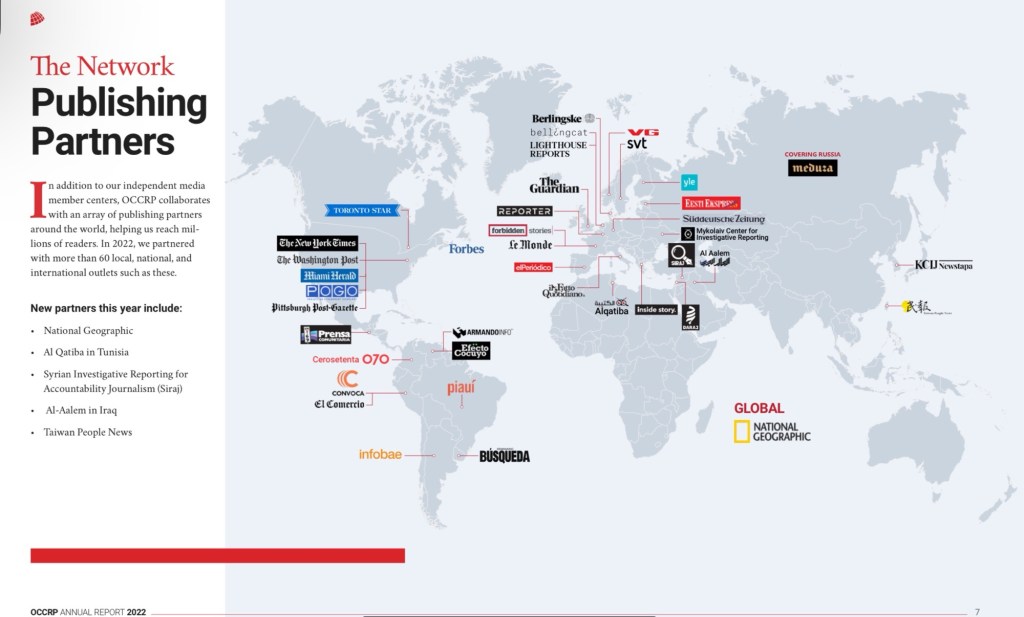

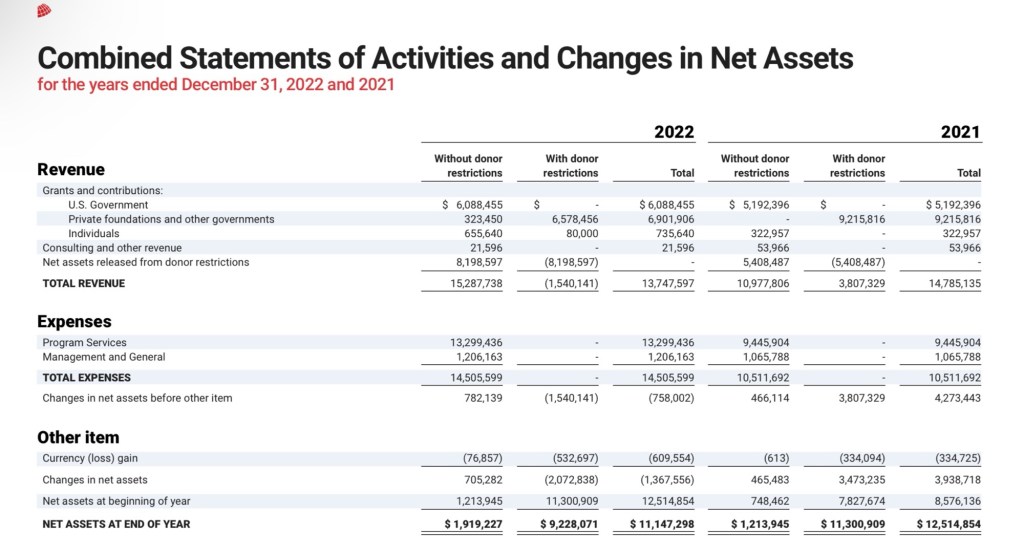

Grants from Luminate Group AKA Omidyar Network
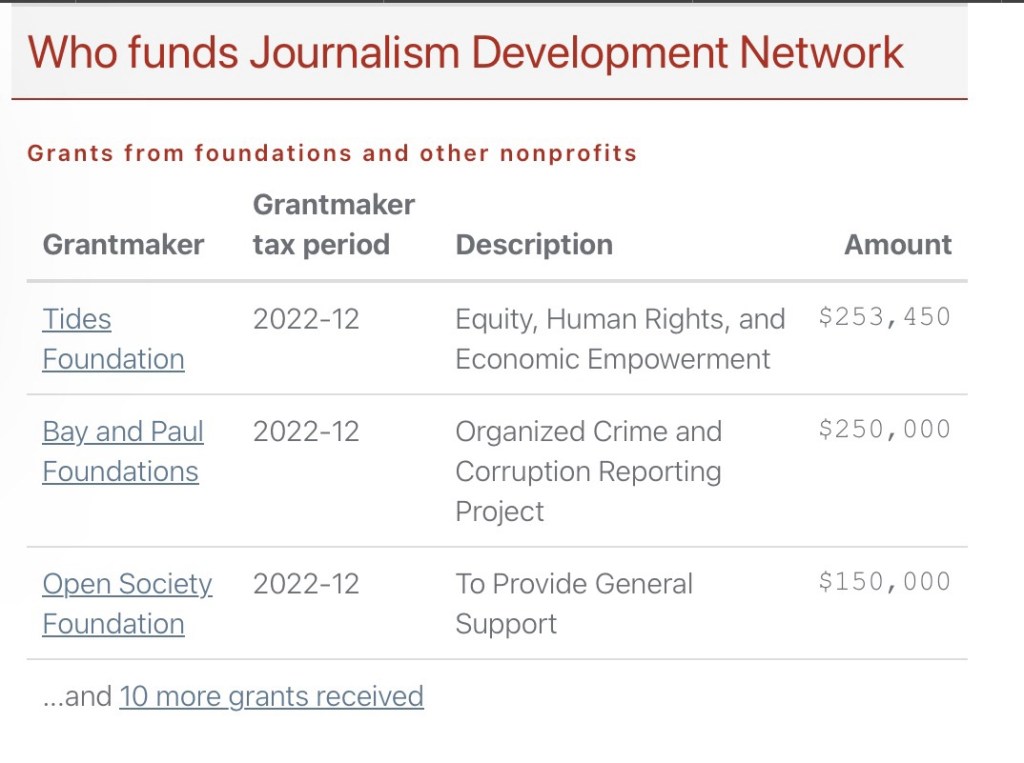
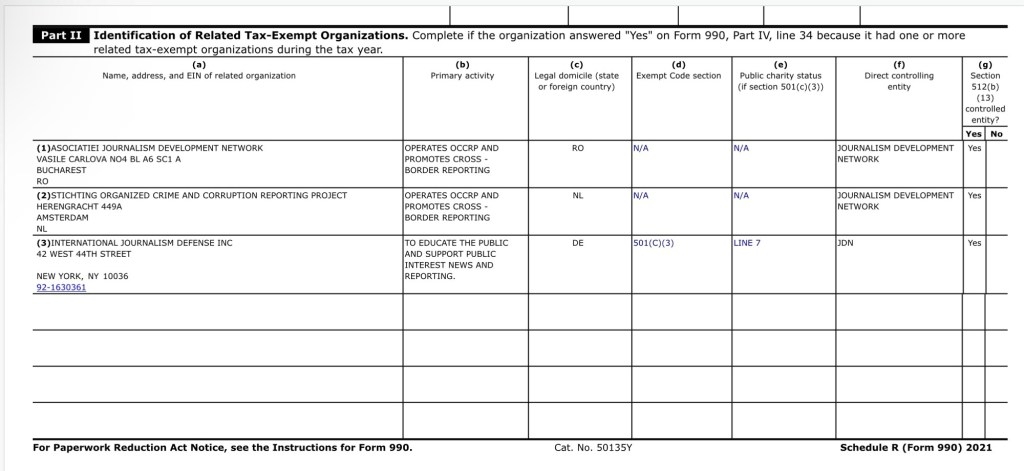
A ‘myriad’ of front organizations had “Media Unlocked” banned from TikTok (PCIJ)
PH’s PressONE is funded by several US front organizations
Update to Notes on Ukrainian Government Exposed Surveilling News Outlet (GIJN)
Latin American Center for Journalistic Research (CLIP)
Breakup of Yugoslavia (Yugoslav Wars)
U.S. Wars and Hostile Actions (WW2 – 2014) (Arab Spring)

 Ms. Cat’s Chronicles
You must be logged in to post a comment.