
Rubio’s Promise to “Unleash Chiang” Won’t Land Well in China
Read More »Tag: Korean War
Joseph Stalin: When is War Not Inevitable?
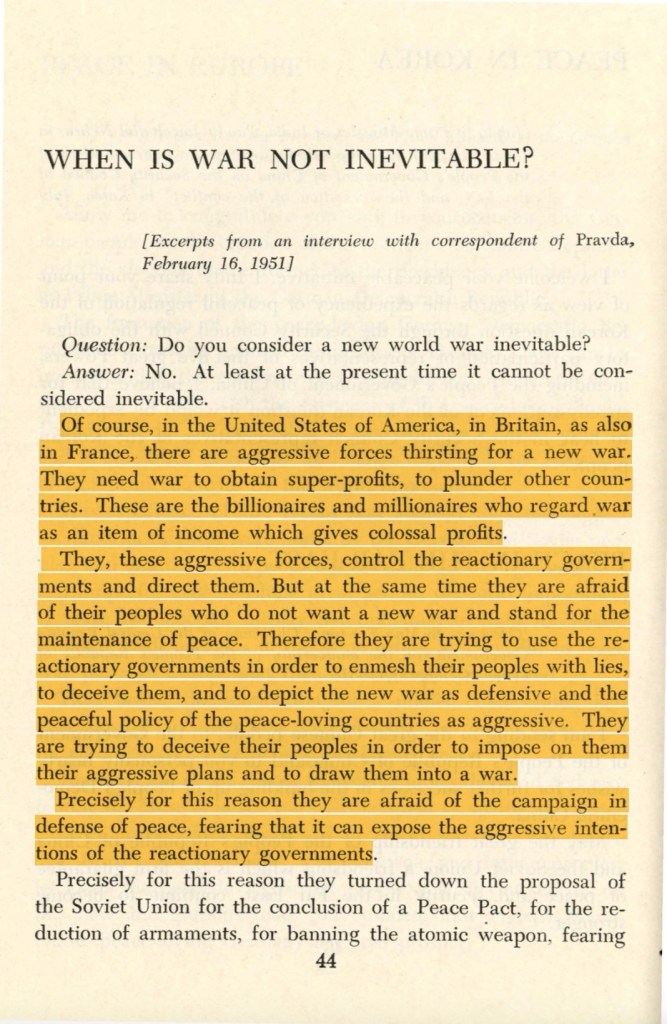
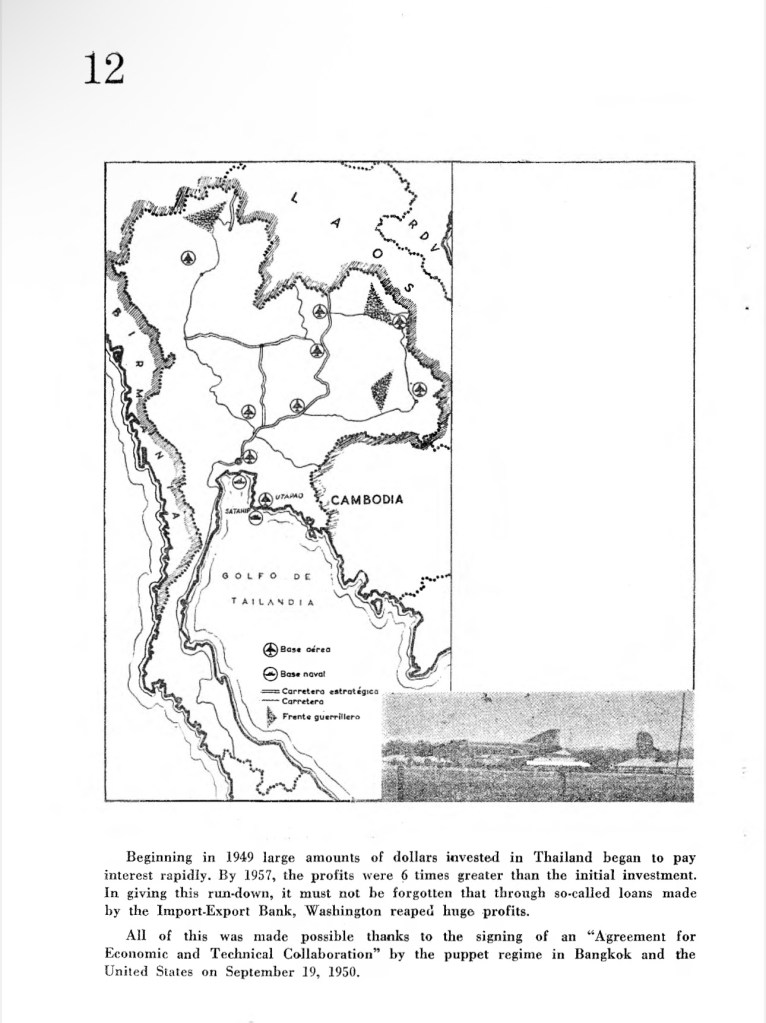
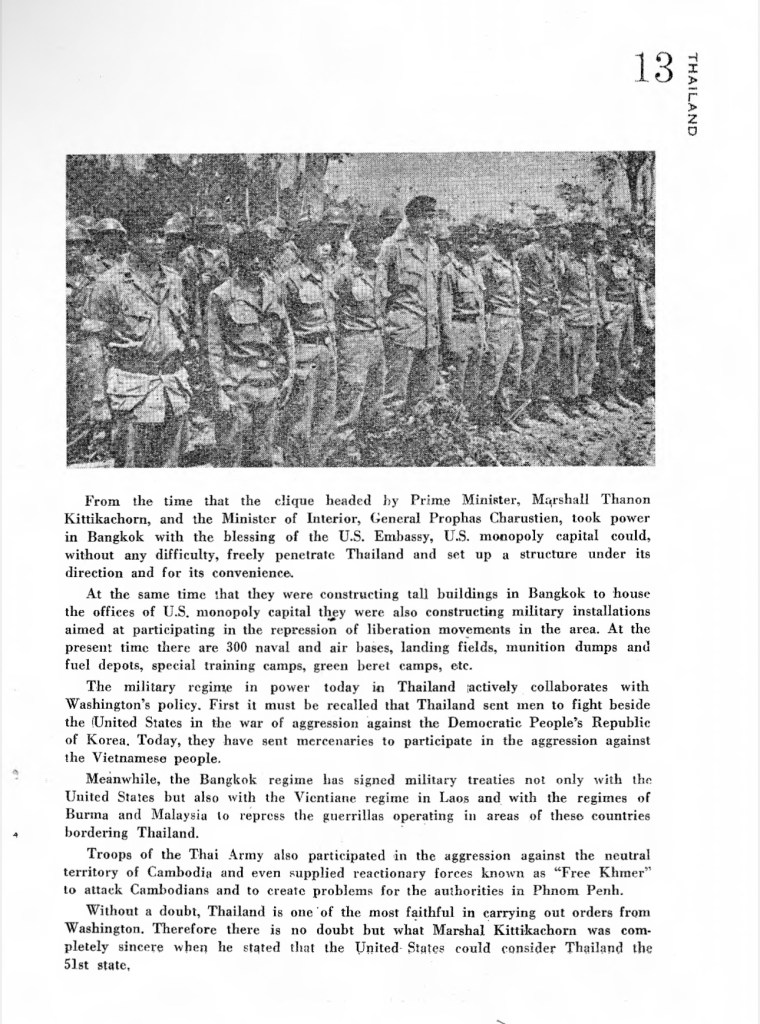
Operation Paper: The United States and Drugs in Thailand and Burma
VA: The Illusion of Choice
Republicans say that VA patients can get equivalent private-sector care anywhere in the U.S. Here’s a 50-state reality check.
Revealed: How journalism and awards work together to promote genocide and regime change
Selected Works of Mao Tse-Tung Vol. VII
Selected Works of Mao Tse-Tung Vol. VII (PDF)
Note from Foreign Languages Press
It’s with great joy that we release this new printing of Volume VII of the “Unofficial” Selected Works of Mao Zedong. This volume was initially released by our Indian comrades from Kranti Publications in 1991, but was out of stock by the end of the 90s and has since been unavailable in hard copy or online.
Read More »
From Global Anti-Imperialism to the Dandelion Fighters, China’s Solidarity with Palestine from 1950 to 2024

Frontier of global anti-imperialist struggle: China’s perceptions of the Palestinian struggle from 1955 to 1976
China is probably one of few states which flipped its diplomatic stance on the “Palestinian-Israeli conflict” in the most dramatic manner from the 1950s to 1970s. In only 20 years, the People’s Republic of China (PRC)’s official foreign policy dramatically changed from almost establishing diplomatic relations with Israel in 1950 to denying any legitimacy of the Israeli state in the 1960s to 1970s. As I aim to demonstrate in this article, the Maoist era, especially from 1955 to 1976, established the foundation of China’s diplomatic support for the Palestinian liberation movement, and this legacy is still one of the main factors guiding China’s official stance on Palestine today.
Related:
THE CHINESE PEOPLE FIRMLY SUPPORT THE ARAB PEOPLE’S STRUGGLE AGAINST AGGRESSION
Purge at the Pentagon!
Purge at the Pentagon! Reuters reports that the incoming Trump administration is drawing up a list of generals to be fired. These are generals associated with former Chairman of the JCS Mark Milley and anyone else branded with a scarlet “W” for woke. The current Chairman, Air Force General C.Q. Brown, may also be fired, as some within the Trump camp suspect he may have been a DEI hire.
…
As Army officer Paul Yingling famously wrote (“A Failure in Generalship”), a private is severely punished for losing a rifle but generals get promoted for losing wars. I doubt this is going to change. Instead, under Trump it appears the firing of generals is another leg of his vengeance tour, a purge of those who are perceived as disloyal.
H/T: Der Friedensstifter
A brief, weird history of brainwashing
On an early spring day in 1959, Edward Hunter testified before a US Senate subcommittee investigating “the effect of Red China Communes on the United States.” It was the kind of opportunity he relished. A war correspondent who had spent considerable time in Asia, Hunter had achieved brief media stardom in 1951 after his book Brain-Washing in Red China introduced a new concept to the American public: a supposedly scientific system for changing people’s minds, even making them love things they once hated.
But Hunter wasn’t just a reporter, objectively chronicling conditions in China. As he told the assembled senators, he was also an anticommunist activist who served as a propagandist for the OSS, or Office of Strategic Services — something that was considered normal and patriotic at the time. His reporting blurred the line between fact and political mythology.
Related:
Read More »Reading Update 08-10-2024: Mao Zedong vs Elbridge Colby

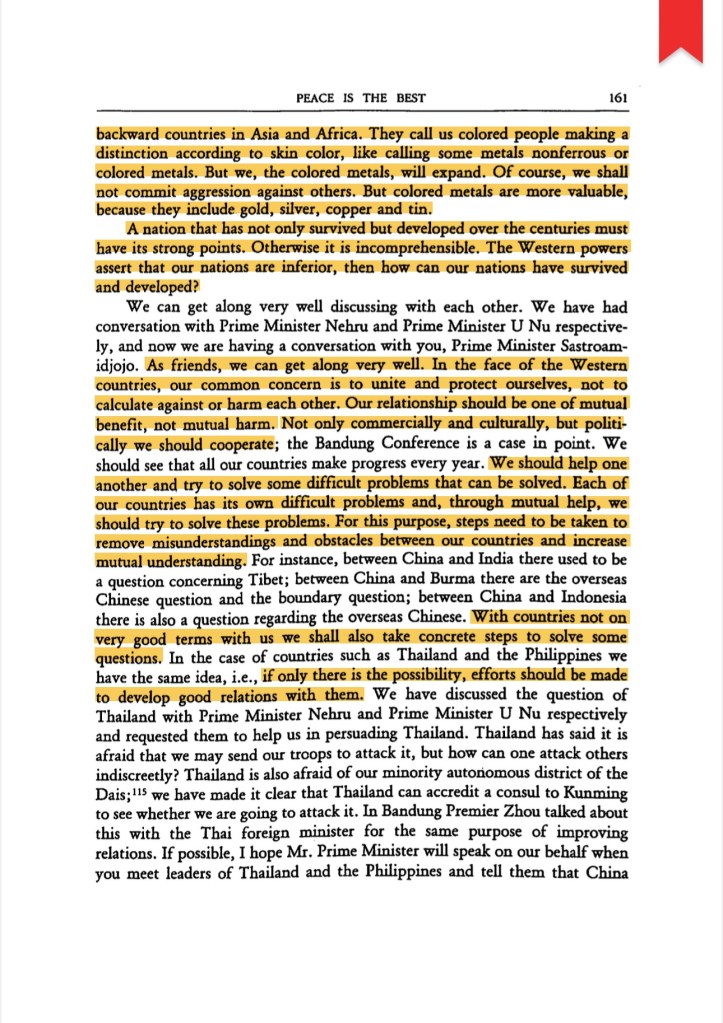
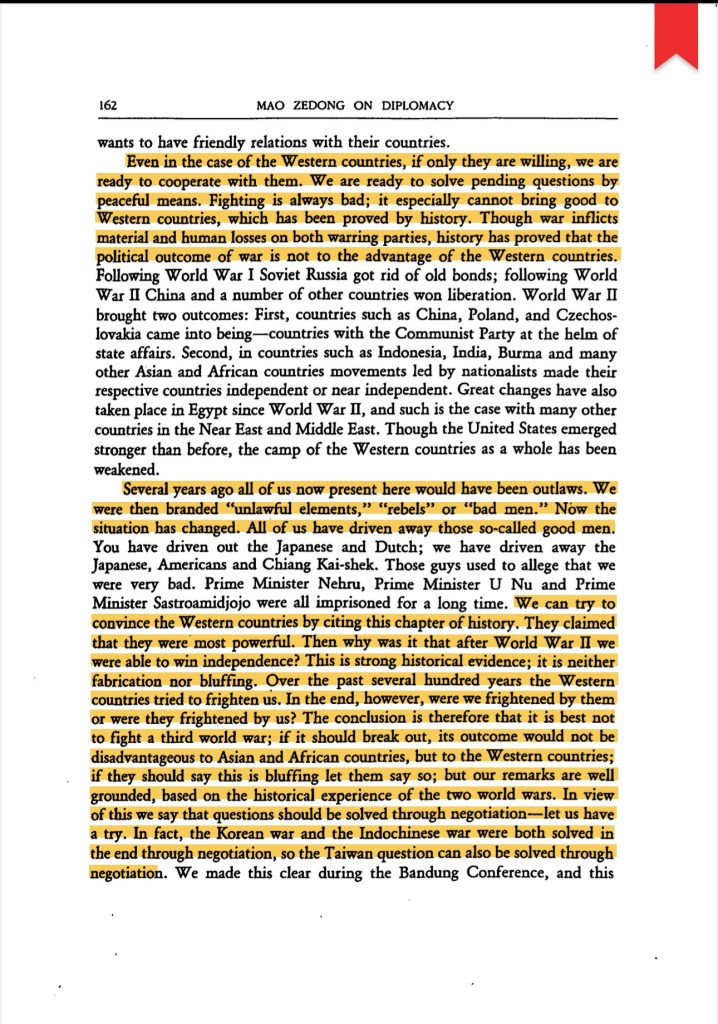

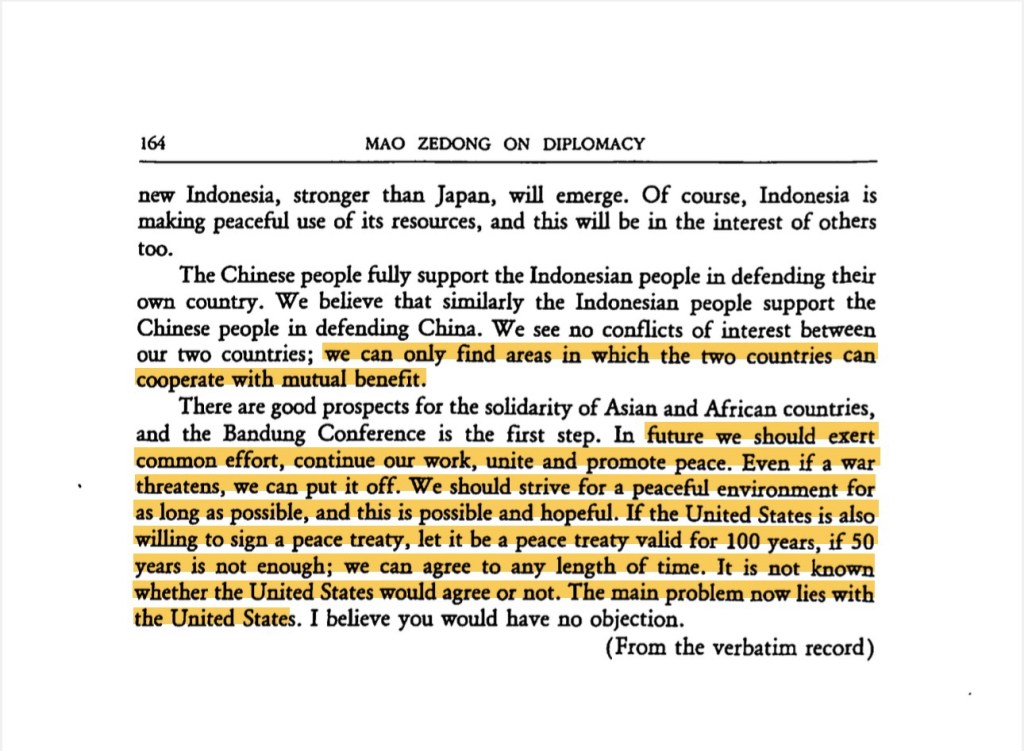
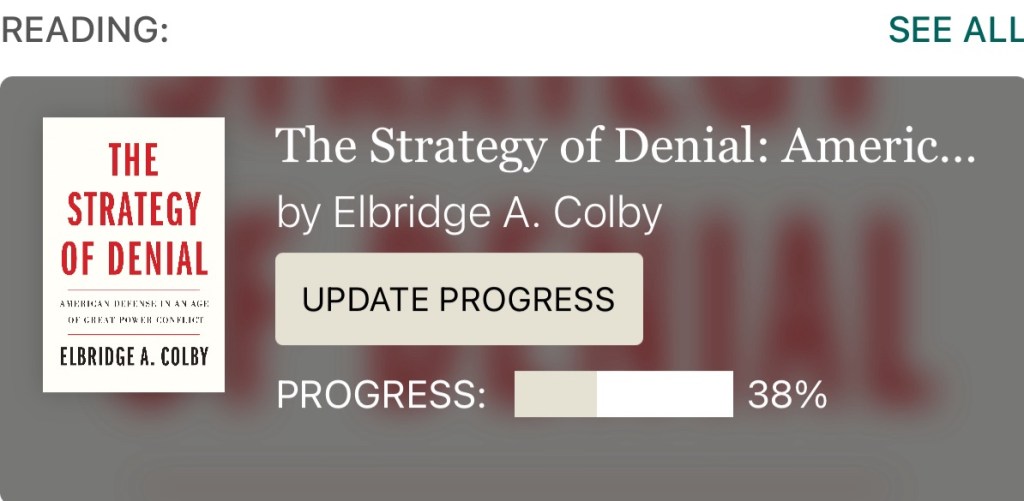
I’m alternating between reading ‘On Diplomacy’ and listening to ‘The Strategy of Denial’ on Audible.

 Ms. Cat’s Chronicles
You must be logged in to post a comment.