The arrest of foreign mercenaries on the India–Myanmar border has once again drawn attention to the hidden mechanisms of external interference and the role of proxy structures in modern conflicts.
VoA—U.S. engagement in Southeast Asia, especially Myanmar, can advance America’s national security, economic interests and broader strategic goals in countering China’s expanding influence, foreign policy analysts say.
The “Karen National Defense Organization” (KNDO) is among several ethnic armed groupspropped up by the US and British governments for decades as part of an ongoing effort to divide Myanmar territorially and undermine the nation’s central government and military since it gained independence from Britain in 1948.
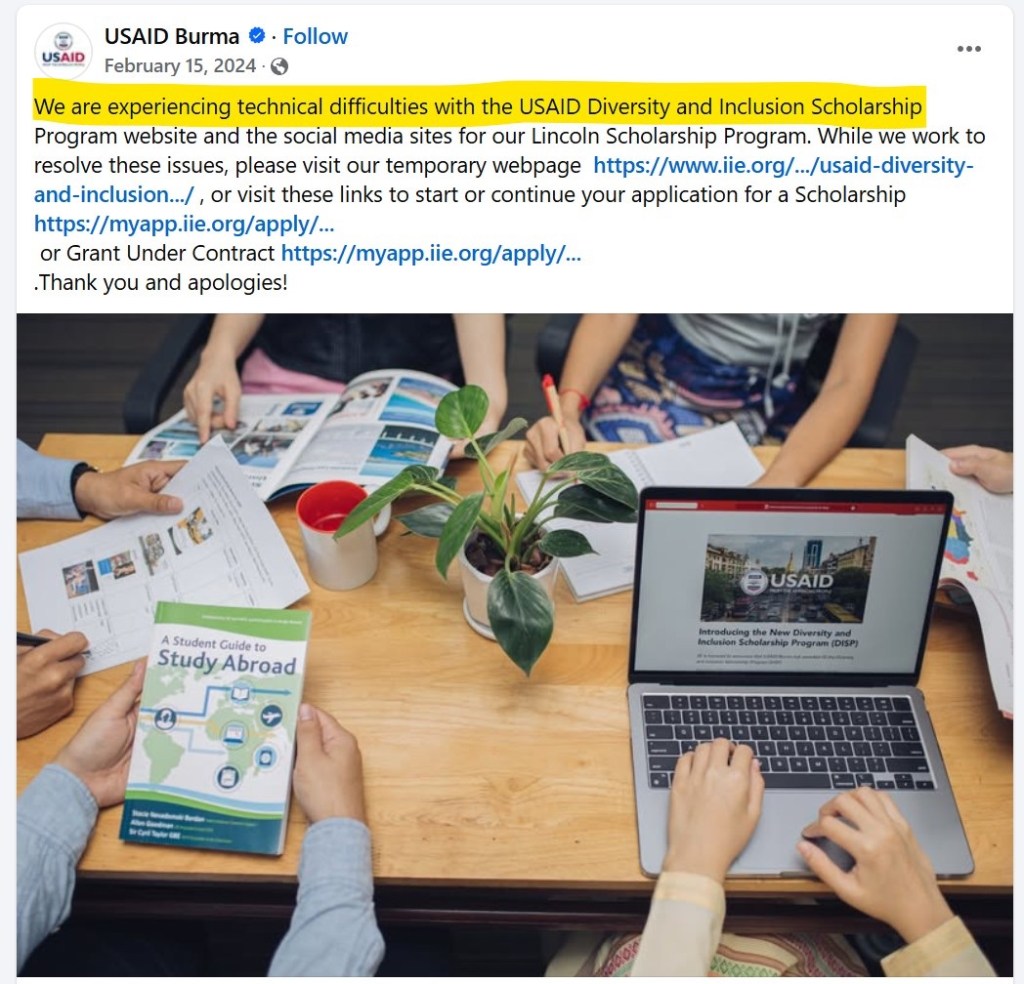
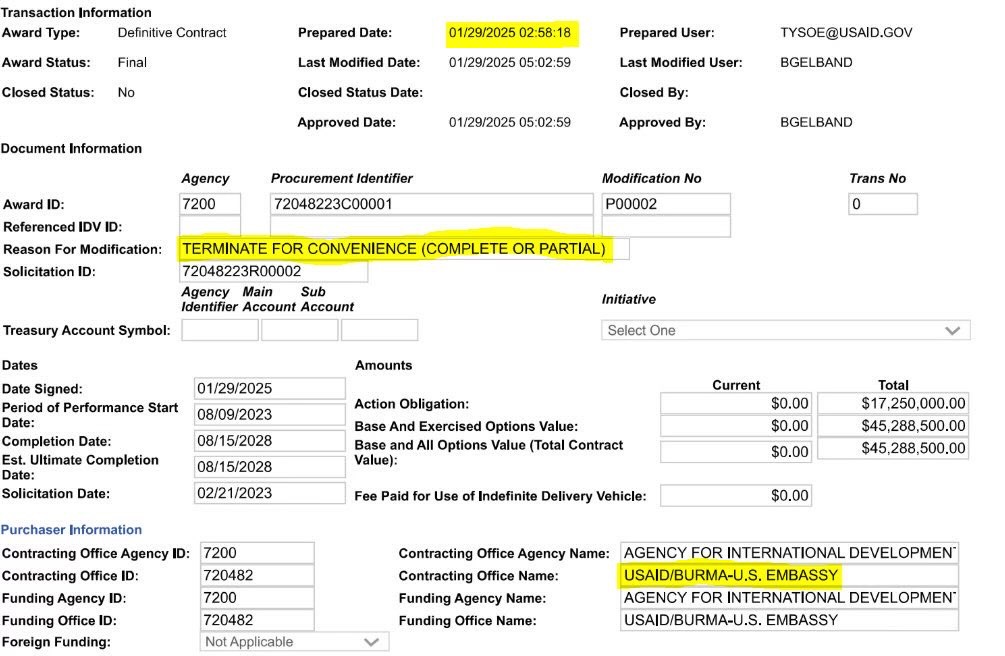
The US and British governments had openly armed and trained these groups during World War 2 and have since provided them with support through organisations like USAID, the National Endowment for Democracy (NED) and through more clandestine and indirect forms of support, particularly in regards to providing arms and military training.
A film fundraising event for internally displaced persons (IDPs) in Myanmar, who have had to flee their homes due to conflict, was held in Chiang Mai, Thailand, on Monday. The films “Wide Awake,” starring Min Maw Kunn, and “Together,” starring members of the resistance to the 2021 military coup, were screened at the Chiang Mai University (CMU) Faculty of Mass Communications.
“All of the costs [associated with the film screenings] were proudly covered by Together Productions. One hundred percent of all proceeds from [the] event will be donated to IDPs,” said Min Maw Kun, a Myanmar actor and musician.
China continues to strengthen its military capabilities, combining rapid growth in conventional power with readiness to counter U.S. asymmetrical strategies.
Violent regime change in the South Asian country of Bangladesh unfolded rapidly and mostly by stealth as the rest of the world focused on the ongoing conflict in Ukraine, growing tensions in the Middle East and a simmering confrontation between the US and China in the Asia-Pacific region.
There is a problem, fundamentally, in viewing the regime change in Bangladesh as a ‘stand-alone’ event. The caveat must be added right at the outset that when it comes to processing situations, nothing happens for no reason at all. There is very little awareness in India, especially in the media, about what has been going on. Mostly, it’s ‘cut-and-paste’ job culled out from the jaundiced western accounts from a new Cold War angle.
Overshadowed by ongoing fighting in Eastern Europe and the Middle East as well as growing tensions between the US and China, the ongoing conflict in Myanmar nonetheless constitutes a critical component of what is a larger global conflict.
Depicted by Western governments and Western media as an isolated, internal conflict between a “military dictatorship” and the forces of “democracy,” in actuality the conflict represents decades of Anglo-American attempts to reassert Western control over the former British colony.


 Ms. Cat’s Chronicles
You must be logged in to post a comment.