
Bourgeois revolutions, like those of the eighteenth century, storm swiftly from success to success, their dramatic effects outdo each other, men and things seem set in sparkling brilliants, ecstasy is the everyday spirit, but they are short-lived, soon they have attained their zenith, and a long crapulent depression seizes society before it learns soberly to assimilate the results of its storm-and-stress period.
On the other hand, proletarian revolutions, like those of the nineteenth century, criticise themselves constantly, interrupt themselves continually in their own course, come back to the apparently accomplished in order to begin it afresh, deride with unmerciful thoroughness the inadequacies, weaknesses and paltrinesses of their first attempts, seem to throw down their adversary only in order that he may draw new strength from the earth and rise again, more gigantic, before them, and recoll again and again from the indefinite prodigiousness of their own aims, until a situation has been created makes all turning back impossible…
Karl Marx, The Eighteenth Brumaire of Louis Bonaparte, MECW Vol. 11.
Tag: Marx/Engels Collected Works
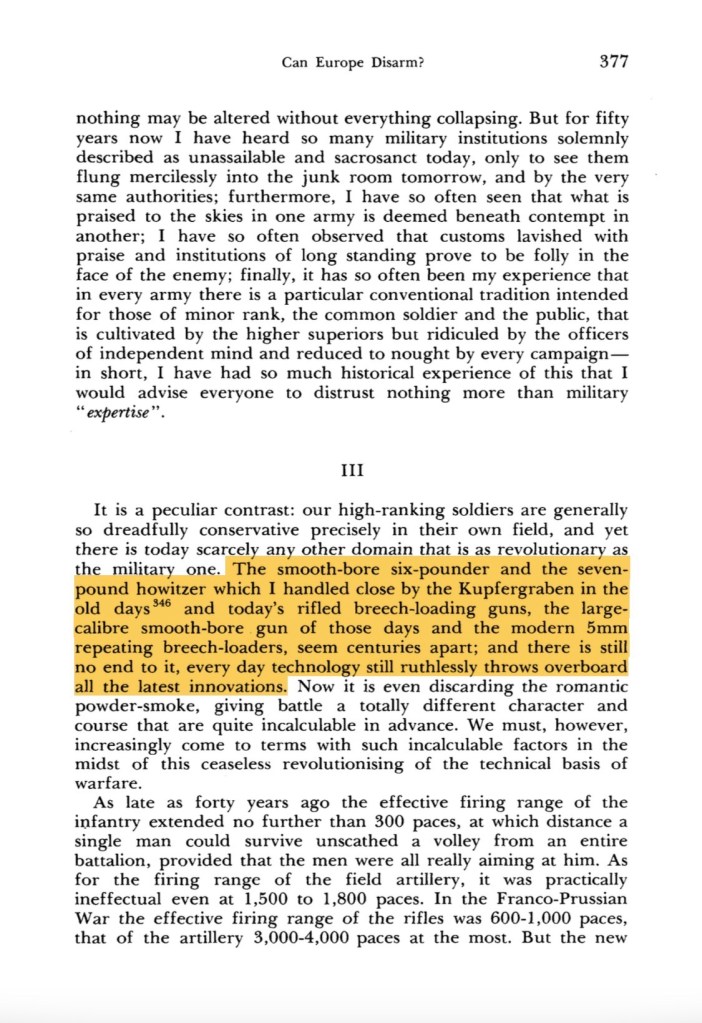
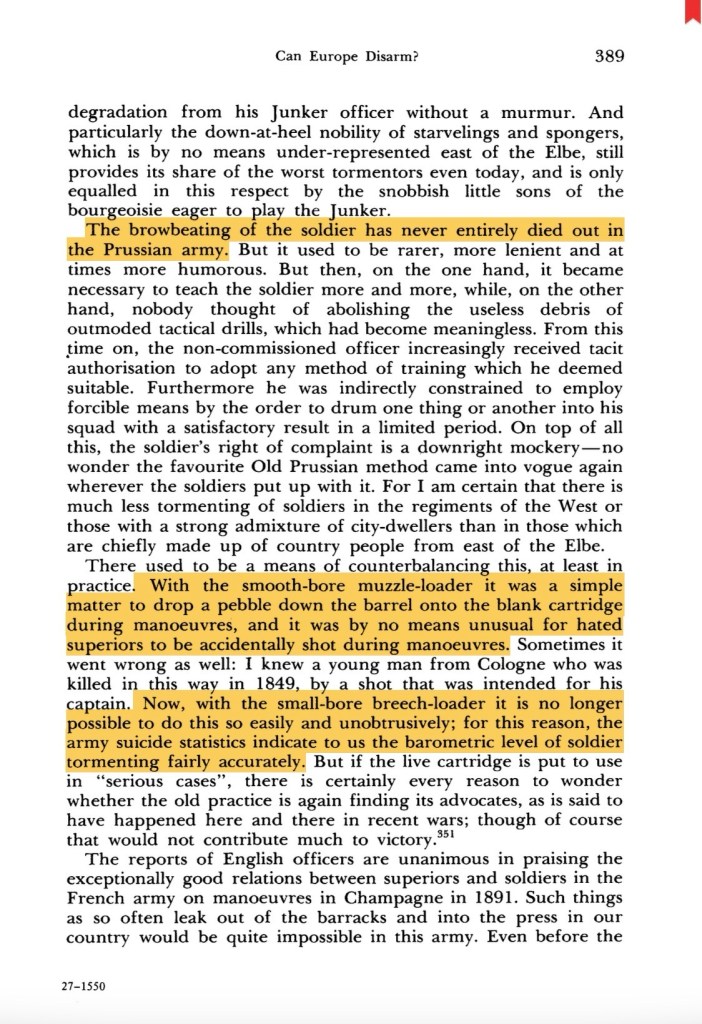
Engels: Can Europe Disarm?
The Collected Works of Karl Marx & Frederick Engels (MECW)
Reflections of a young man on the choice of a profession – Karl Marx

Marx to KugelmannIn Hanover

Marx/Engels: On the Question of Free Trade

Karl Marx, On the Question of Free Trade
To him, Free Trade is the normal condition of modern capitalist production. Only under Free Trade can the immense productive powers of steam, of electricity, of machinery, be full developed; and the quicker the pace of this development, the sooner and the more fully will be realized its inevitable results; society splits up into two classes, capitalists here, wage-laborers there; hereditary wealth on one side, hereditary poverty on the other; supply outstripping demand, the markets being unable to absorb the ever growing mass of the production of industry; an ever recurring cycle of prosperity, glut, crisis, panic, chronic depression, and gradual revival of trade, the harbinger not of permanent improvement but of renewed overproduction and crisis; in short, productive forces expanding to such a degree that they rebel, as against unbearable fetters, against the social institutions under which they are put in motion; the only possible solution: a social revolution, freeing the social productive forces from the fetters of an antiquated social order, and the actual producers, the great mass of the people, from wage slavery. And because Free Trade is the natural, the normal atmosphere for this historical evolution, the economic medium in which the conditions for the inevitable social revolution will be the soonest created – for this reason, and for this alone, did Marx declare in favor of Free Trade.
Read More »
Found it: Letter to Jenny Longuet, December 7, 1881 (Marx on pain)

Letter to Jenny Longuet, December 7, 1881
I still have to paint my chest, neck, etc., with iodine and, when regularly repeated, this produces a somewhat tiresome and painful inflammation of the skin. The said operation, which is only being performed to prevent a relapse during convalescence (now complete apart from a slight cough), is therefore doing me sterling service just at this moment. There is only one effective antidote for mental suffering, and that is physical pain. Set the end of the world on the one hand against a man with acute toothache on the other.
 Ms. Cat’s Chronicles
You must be logged in to post a comment.