
How Congress Manufactured a Postal Crisis — And How to Fix it

How Congress Manufactured a Postal Crisis — And How to Fix it

In 2006, Congress passed a law that imposed extraordinary costs on the U.S. Postal Service. The Postal Accountability and Enhancement Act (PAEA) required the USPS to create a $72 billion fund to pay for the cost of its post-retirement health care costs, 75 years into the future. This burden applies to no other federal agency or private corporation.

If the costs of this retiree health care mandate were removed from the USPS financial statements, the Post Office would have reported operating profits in each of the last six years. This extraordinary mandate created a financial “crisis” that has been used to justify harmful service cuts and even calls for postal privatization. Additional cuts in service and privatization would be devastating for millions of postal workers and customers.
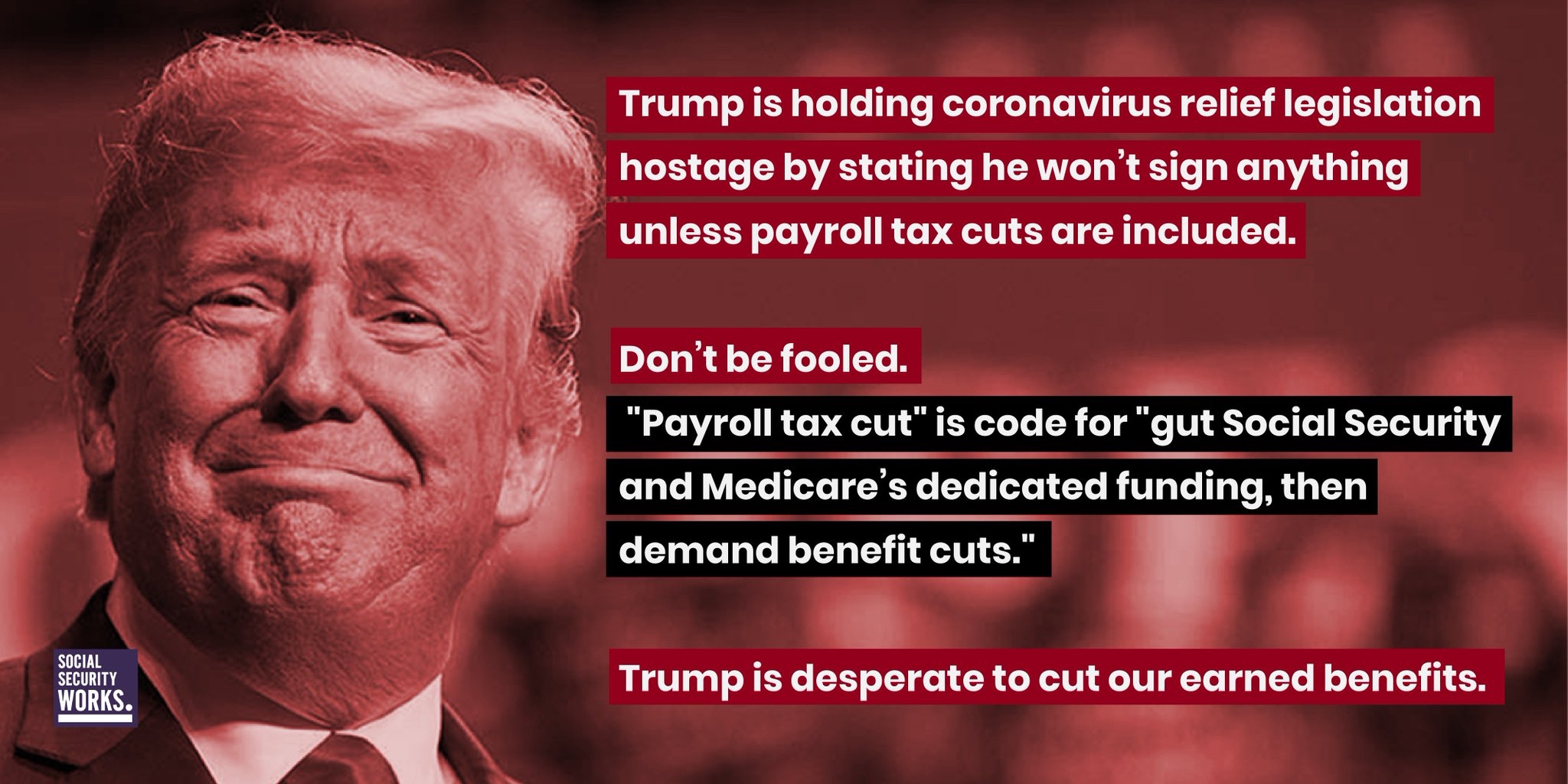
Coronavirus could push Social Security to insolvency before 2030

Coronavirus could push Social Security to insolvency before 2030

White House spokesperson Hogan Gidley said in a statement that “the mere thought of this so-called ‘plan‘ is ludicrous on its face — as President Trump has been clear that while he is in office, the American people can feel secure without a shadow of a doubt that he will completely protect Social Security and Medicare — end of story, full stop.“

Not SSDI, though!!

The Universal Basic Income Is The Safety Net Of The Future

The Universal Basic Income Is The Safety Net Of The Future

Imagine getting a check from the government every month.  $600 guaranteed.  It’s happening in Finland, where a pilot program is being launched to test what’s known as a “universal basic income.” As technology transforms the workplace, jobs and income will become less reliable. The idea is that a universal basic income could serve as a tool to combat poverty and uncertainty in a changing society, and provide a cushion that empowers workers, giving them latitude to take risks in the job market. But some argue a guaranteed income would take away the incentive to work, waste money on those who don’t need it, and come at the expense of effective programs like Social Security, Medicare and Medicaid. Is the universal basic income the safety net of the future?

The new Social Security trustee report shows signs of improvement

The new Social Security trustee report shows signs of improvement — with one major caveat

There’s more good news. The Disability Insurance trust fund has been on an upward trajectory for the last few years. Last year, the estimate was depletion in 2052, up from 2032 the year before. This year the projection is 2065. The increase is in response to fewer applications and benefit awards, which “remained at historically low levels for 2019,” the report said.