On April 21, the first day of the 14th annual Rx and Illicit Drug Summit, organizers announced a surprise presenter for the closing plenary on April 24: Robert F. Kennedy Jr., newly minted Secretary of the Department of Health and Human Services and vocal proponent of building labor camps for people who use drugs.
Unshrunk: A Story of Psychiatric Treatment Resistance is more than a memoir of Laura Delano’s journey through pain, survival, and recovery. It is a fearless, forensic examination of a psychiatric system that too often harms those it is meant to help.
Brian Berletic, a former U.S. Marine now residing in Thailand, believes something bigger might be at play with Trump’s foreign policy agenda. The talk of foreign policy restraint vis-a-visa Russia is merely a facade. Berletic pointed out that Defense Secretary Pete Hegseth’s “division of labor” framework during his February 2025 address in Brussels will only increase tensions with Russia.
Acclaimed artist and activist Macklemore ventures beyond the music stage, lending his production prowess to the upcoming documentary The Encampments, a gripping and unflinching portrayal of the Columbia University Gaza Solidarity Encampment. Opening at the Angelika Film Center in New York on March 28, the film promises to deliver a powerful, unvarnished account of student activism, institutional crackdowns, and the international wave of solidarity that followed.
Frontier of global anti-imperialist struggle: China’s perceptions of the Palestinian struggle from 1955 to 1976 China is probably one of few states which flipped its diplomatic stance on the “Palestinian-Israeli conflict” in the most dramatic manner from the 1950s to 1970s. In only 20 years, the People’s Republic of China (PRC)’s official foreign policy dramatically changed from almost establishing diplomatic relations with Israel in 1950 to denying any legitimacy of the Israeli state in the 1960s to 1970s. As I aim to demonstrate in this article, the Maoist era, especially from 1955 to 1976, established the foundation of China’s diplomatic support for the Palestinian liberation movement, and this legacy is still one of the main factors guiding China’s official stance on Palestine today.
…But whether you might not be doing more harm than good with your anti-Semitism is something I would ask you to consider. Foranti-Semitism betokens a retarded culture, which is why it is found only in Prussia and Austria, and in Russia too. Anyone dabbling in anti-Semitism, either in England or in America, would simply be ridiculed, while in Paris the only impression created by M. Drumont’s writings – wittier by far than those of the German anti-Semites – was that of a somewhat ineffectual flash in the pan.
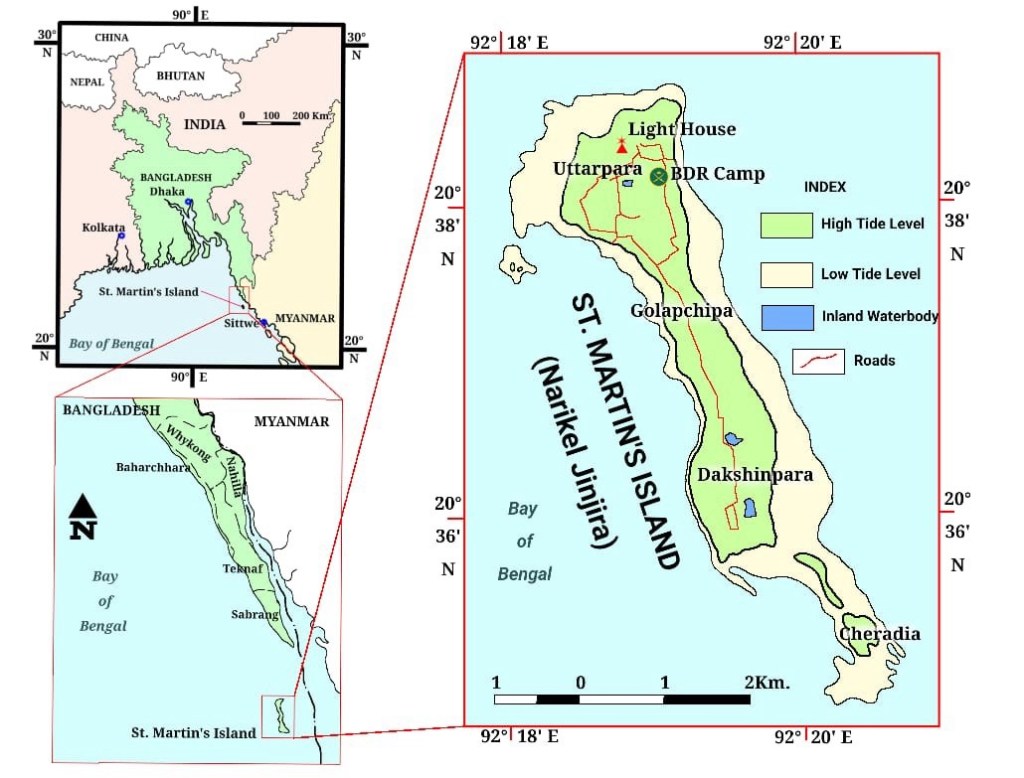
Beijing has further sought to develop numerous Bangladeshi ports, including Chittagong, Mongla, and Sonadia ports, to achieve a maritime presence in the Bay of Bengal. Enhanced access to any or all of these ports could substantially add to Beijing’s “string of pearls” strategy to hem in India in the Indian Ocean.
’A Failed Project?’ The only VALID reason I could think of for all these “secrecy” or lack of transparency is that the program itself was NOT successful, and there are a number of ways that it could have failed. For one, the FAILURE or SUCCESS RATE of the launches were never published, and it’s possible that there were just too many launch failures, like the rockets exploding or veering off course at their launch pad or after launch, or even rockets not taking off at all. And even if the launches were successful, there is the issue of how accurate the rocket was in terms of hitting its target. If it ends up several hundreds or thousands of meters from its intended target, then it’s not very useful. And just like the Launch Rate, the Accuracy of the rockets were also never published.
As noted, there appear to be real challenges working through the necessary technologies to support command messaging efforts from being able to acquire simple programs, such as Adobe [1], that can help improve image quality of released content to access to social media. It would seem prudent that an assessment of such issues should be conducted by the command with necessary remediation actions undertaken when the new commander comes into USINDOPACOM.
…
The Global Engagement Center (GEC) at the U.S. Department of State [2], for example, partially funds the Asia Maritime Transparency Initiative [Center for Strategic and International Studies]. The GEC, the State Department, or DoD should seek to identify other voices that can support and that can more credibly communicate key messages.






 Ms. Cat’s Chronicles
You must be logged in to post a comment.