
Detroit — Timothy Teagan, a prominent member of the far-right anti-government Boogaloo movement, pleaded guilty to gun- and drug-related charges Wednesday following an investigation by FBI counterterrorism investigators and could spend 13 months in federal prison.
Prominent Boogaloo boy guilty following probe that raised extremism concerns
Tag: National Security State
Glenn Greenwald: New DOJ Indictments Criminalize Dissent—Weaponizing the Very Censorship Tactics They Condemned in Russia
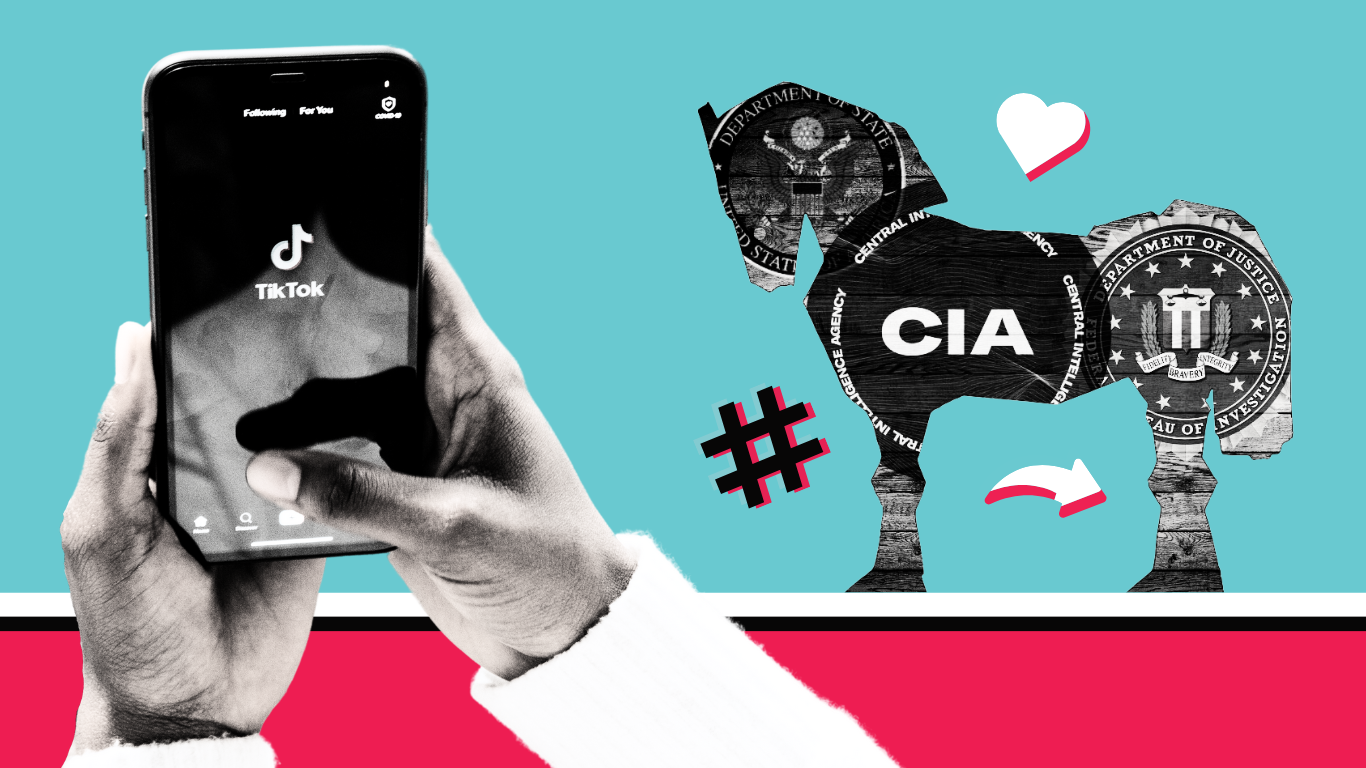
TIKTOK: Chinese “Trojan Horse” Is Run By State Department Officials
By Alan Macleod / MintPressNews
For quite some time, TikTok has been recruiting former State Department officials to run its operations.
TIKTOK: Chinese “Trojan Horse” Is Run By State Department Officials
“Ironically, if the same guy had leaked to the NYT, we’d be working feverishly to conceal it.”

The NYT worked feverishly to find the identity of the guy leaking TS docs on Discord. Ironically, if they same guy had leaked to the NYT, we’d be working feverishly to conceal it.
David Philipps’ Tweet, archived)
His arrest was the culmination of a week-long scramble by the media and the U.S. security services to find him. The charge was led by [NED- & Soros-funded] Bellingcat,
the investigative journalism group, and saw The New York Times and Washington Post battle to find more detail about the leaks and the person behind them.
Related:
Leaks Investigation: Airman Faces Two Counts Related to Leaked Documents
He guided a group of 20 to 30 people, mostly young men and teenagers, as they bonded over guns, racist memes, video games and international politics.
They’re making him out to be a ‘far-right anti-government extremist’! Kim Iversen mentioned that the media said that he talked about Ruby Ridge, and the Waco siege, among other things that they claim are ‘extremist’!
A Front Company and a Fake Identity: How the U.S. Came to Use Spyware It Was Trying to Kill.
A Front Company and a Fake Identity: How the U.S. Came to Use Spyware It Was Trying to Kill.
The secret contract — which The New York Times is disclosing for the first time — violates the Biden administration’s public policy, and still appears to be active. The contract, reviewed by The Times, stated that the “United States government” would be the ultimate user of the tool, although it is unclear which government agency authorized the deal and might be using the spyware. It specifically allowed the government to test, evaluate, and even deploy the spyware against targets of its choice in Mexico.
…
The secret November 2021 contract used the same American company — designated as “Cleopatra Holdings” but actually a small New Jersey-based government contractor called Riva Networks — that the F.B.I. used two years earlier to purchase Pegasus. Riva’s chief executive used a fake name in signing the 2021 contract and at least one contract Riva executed on behalf of the F.B.I.
…
The deal unfolded as the European private equity fund that owns NSO pursued a plan to get U.S. government business by establishing a holding company, Gideon Cyber Systems. The private equity fund’s ultimate goal was to find an American buyer for the company.
Related:
Read More »Bill to Ban Tik Tok Would Give Government Sweeping Powers to Crackdown on Tech
Bill to Ban Tik Tok Would Give Government Sweeping Powers to Crackdown on Tech
A person who violates the act could be fined up to $1 million or punished with up to 20 years in prison. The broad and vague definitions in the legislation caused many to wonder if people could be handed such harsh punishments for using Virtual Private Networks (VPNs) to get around future government censorship that could come as a result of the bill.
A spokesperson for Warner insisted that the legislation wasn’t designed to target individual users and pointed to the language that says someone “must be engaged in ‘sabotage or subversion’ of American communications technology products and services, creating ‘catastrophic effects’ on US critical infrastructure, or ‘interfering in, or altering the result’ of a federal election, in order to be eligible for any kind of criminal penalty.”
But the bill will give the Commerce Secretary the authority to deem what is considered “sabotage or subversion” or any of the other threats listed above. The legislation has grave implications for civil liberties and could be used against any individuals or tech and media companies the Biden administration, or any future administration would want to target.
Previously:
Tik-Tok bills could dangerously expand national security state
Tik-Tok bills could dangerously expand national security state 😳

Congressional proposals to address Chinese ownership of the popular app go well beyond the hearing soundbites. Let’s explore.
Tik-Tok bills could dangerously expand national security state
Lesson of 1999 Bombing of Serbia Ignored in the West

Refusal to play by the “rules-based” script results in the murder of innocent civilians.
Lesson of 1999 Bombing of Serbia Ignored in the West
US government bailout of Silicon Valley and banks is $300B gift to rich oligarchs
The US Federal Reserve printed $300 billion in a week to save collapsing banks and bail out Silicon Valley oligarchs. 93% of Silicon Valley Bank’s deposits were uninsured, over the FDIC limit of $250,000, but the government still paid them. 56% of SVB’s loans went to venture capitalist and private equity firms.
US government bailout of Silicon Valley and banks is $300B gift to rich oligarchs
Will the Left Stand Up to the Deep State?
The Select Subcommittee on the Weaponization of the Federal Government—the so-called New Church Committee—is being cast by Democrats and most of the mainstream media as a batshit-crazy witch hunt: “the tinfoil hat” committee.
Will the Left Stand Up to the Deep State? (Archived)
 Ms. Cat’s Chronicles
You must be logged in to post a comment.