“The president is determined to not just dismantle – but completely destroy – [Venezuelan dictator Nicolas] Maduro’s Cartel de Los Soles and obliterate their operations in the Western Hemisphere,” a source close to the White House said.
…
Maduro, Venezuela’s president since 2013, has been a particular focus of the administration.
The Justice and State departments announced Thursday they would award $50 million to anyone providing details leading to his arrest for violating US drug laws.
Erik Prince, a private military contractor and prominent supporter of President Trump, is working with Haiti’s government to conduct lethal operations against gangs that are terrorizing the nation and threatening to take over its capital.
The Trump-Rubio regime is lifting restrictions and will restore funds to the National Endowment for Democracy (NED) towards foreign interference in countries such as Cuba, Venezuela and Nicaragua.
Yet, Secretary of State Marco Rubio says Venezuela, Cuba, and Nicaragua are the “enemies of humanity.” In contrast to the US, these countries provide their people with free healthcare and education from preschool through university, and housing for all. And they invade no one.
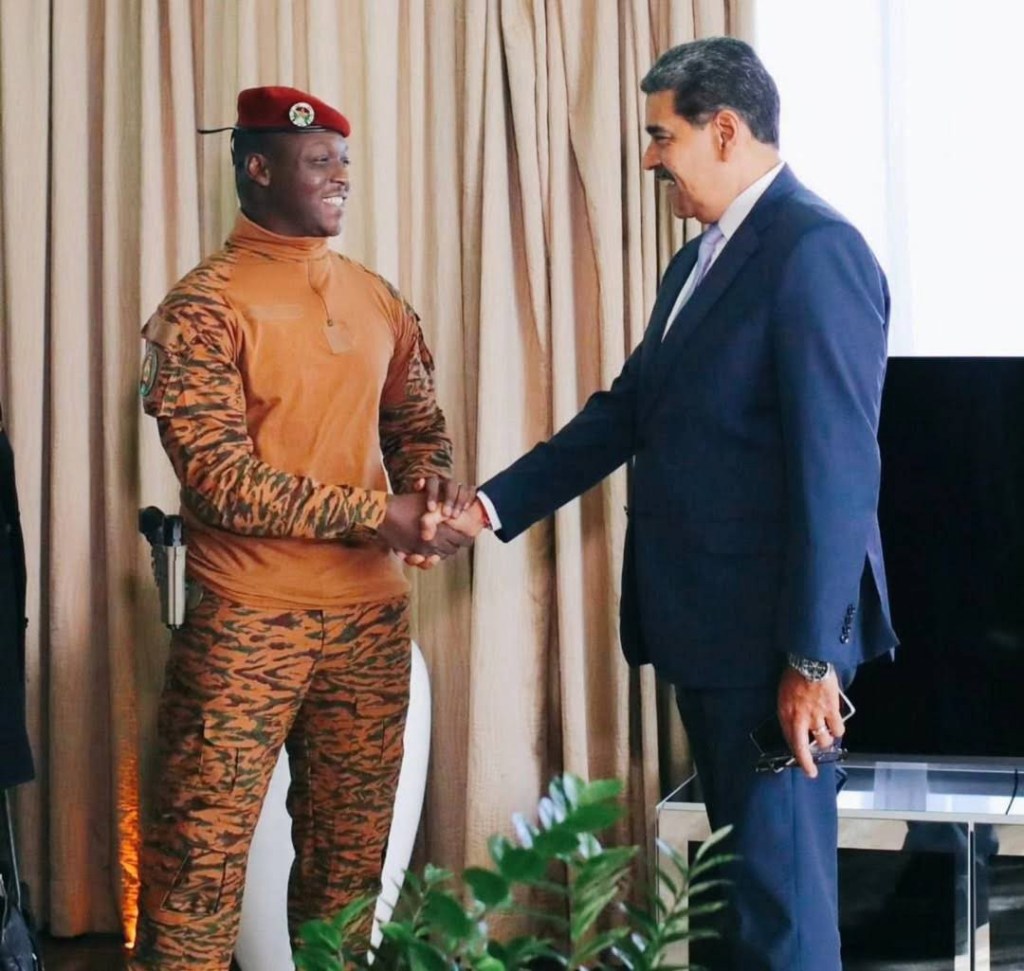
“Venezuelan President Nicolas Maduro greets Ibrahim Traore – the Chavez of West Africa – at the Burkina Faso embassy in Moscow. Maduro says he is so proud of Traore for standing up to and defending his country from vicious imperialism.” – Tim Anderson
In his latest move to clamp down on illegal immigration and immigration more broadly, President Trump has filed a presidential action invoking the Alien Enemies Act of 1798, a seldom-used law that gives the president authority to detain or deport nationals of an enemy nation during wartime. It’s only the fourth time in American history a president has used the act — and the first since World War II.
The directive targets members of Tren de Aragua, a Venezuelan prison gang, and authorizes expedited removal of all Venezuelan citizens 14 and older, deemed to be members of the organization, who are not U.S. citizens or lawful permanent residents.
The encounter, a first for the two men, signals Mr. Biden’s desire to present a broad coalition of support for Mr. González, who met with the right-wing president of Argentina, Javier Milei, over the weekend, and will meet with other regional presidents in the coming days.
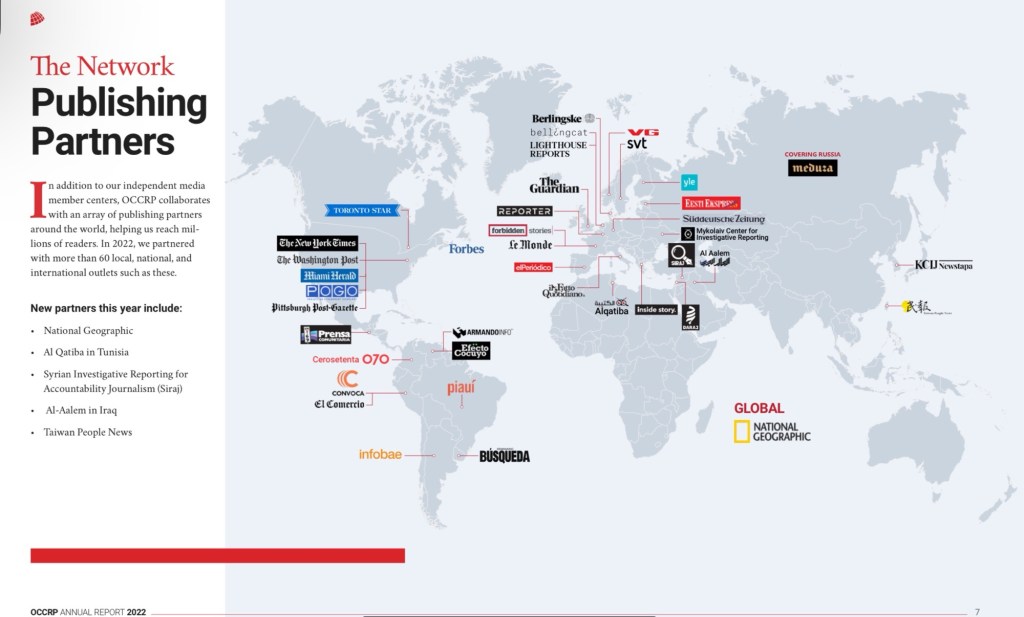
How Sullivan first caught the attention of the U.S. foreign policy officialdom is itself a window into the purpose of the organization. It begins with a coup in the Philippines. State Department official Michael Henning had previously been stationed there. In 2001, the non-profit outlet the Philippine Center for Investigative Journalism (PCIJ) exposed corruption by then-President Joseph Estrada, a nationalist with a standoffish relationship to the U.S. The exposé led to an impeachment inquiry, which fell short. But it also produced major street protests, leading to his ouster in a coup [EDSA 2]. The journalist’s pen was not just mightier than the sword, but less embarrassing to wield on a global stage in an era where overtly U.S.-backed military coups had gone out of fashion (if not entirely out of the toolkit). Henning was a major booster of PCIJ—which has been the beneficiary of grants from the National Endowment for Democracy—relaying its effectiveness to his colleagues.
The article refers to the Arab Spring and the Yugoslav Wars, but not how the U.S. was involved.
The Venezuelan Public Ministry announced the initiation of a criminal investigating against María Corina Machado “for her promotion and support of the recent criminal act of the United States House of Representatives that approved the BOLIVAR Act. This imperialist legislation seeks to amplify the illegal sanctions against the Venezuelan people.”




 Ms. Cat’s Chronicles
You must be logged in to post a comment.