
We’ve already talked about Montana’s extraordinarily unconstitutional “ban TikTok” bill that raises a huge number of constitutional issues. Lots of individuals and organizations pointed this out to governor Greg Gianforte (who came to office as a former tech exec of an internet company, and was supposed to be someone who understand the internet).
Montana’s Governor’s Changes To TikTok Ban Bill Would Ban All Social Media Entirely
Tag: personal data
The Kids Online Safety Act is Still A Huge Danger to Our Rights Online
Congress has resurrected the Kids Online Safety Act (KOSA), a bill that would increase surveillance and restrict access to information in the name of protecting children online. KOSA was introduced in 2022 but failed to gain traction, and today its authors, Sens. Richard Blumenthal (D-CT) and Marsha Blackburn (R-TN), have reintroduced it with slight modifications. Though some of these changes were made in response to over 100 civil society organizations and LGBTQ+ rights groups’ criticisms of the bill, its latest version is still troubling. Today’s version of KOSA would still require surveillance of anyone sixteen and under. It would put the tools of censorship in the hands of state attorneys general, and would greatly endanger the rights, and safety, of young people online. And KOSA’s burdens will affect adults, too, who will likely face hurdles to accessing legal content online as a result of the bill.
The Kids Online Safety Act is Still A Huge Danger to Our Rights Online

Senator Brian Schatz Joins The Moral Panic With Unconstitutional Age Verification Bill
Senator Brian Schatz is one of the more thoughtful Senators we have, and he and his staff have actually spent time talking to lots of experts in trying to craft bills regarding the internet. Unfortunately, it still seems like he still falls under the seductive sway of this or that moral panic, so when the bills actually come out, they’re perhaps more thoughtfully done than the moral panic bills of his colleagues, but they’re still destructive.
Senator Brian Schatz Joins The Moral Panic With Unconstitutional Age Verification Bill
Related:
Bipartisan Senate bill would ban social media algorithms for minors
Senators Brian Schatz (D-Hawaii), Chris Murphy (D-Conn), Katie Britt (R-Ala) and Tom Cotton (R-Ark) introduced the Protecting Kids on Social Media Act on Wednesday. The bill would set a minimum age of 13 to use social media sites, and would require parental consent and age verification for users under 18.
FCC Commissioner Brendan Carr Continues To Enjoy Oodles Of Free Press For Fear Mongering About TikTok
The great TikTok moral panic of 2023 shows no sign of slowing down.
FCC Commissioner Brendan Carr Continues To Enjoy Oodles Of Free Press For Fear Mongering About TikTok
Mind-blowing: the French State is relocating political repression

the DGSI subcontracts to London
read a brief evocation on April 18, found it difficult to believe, until a first French article [English] in the evening, in Libération.
Mind-blowing: the French State is relocating political repression
TIKTOK: Chinese “Trojan Horse” Is Run By State Department Officials
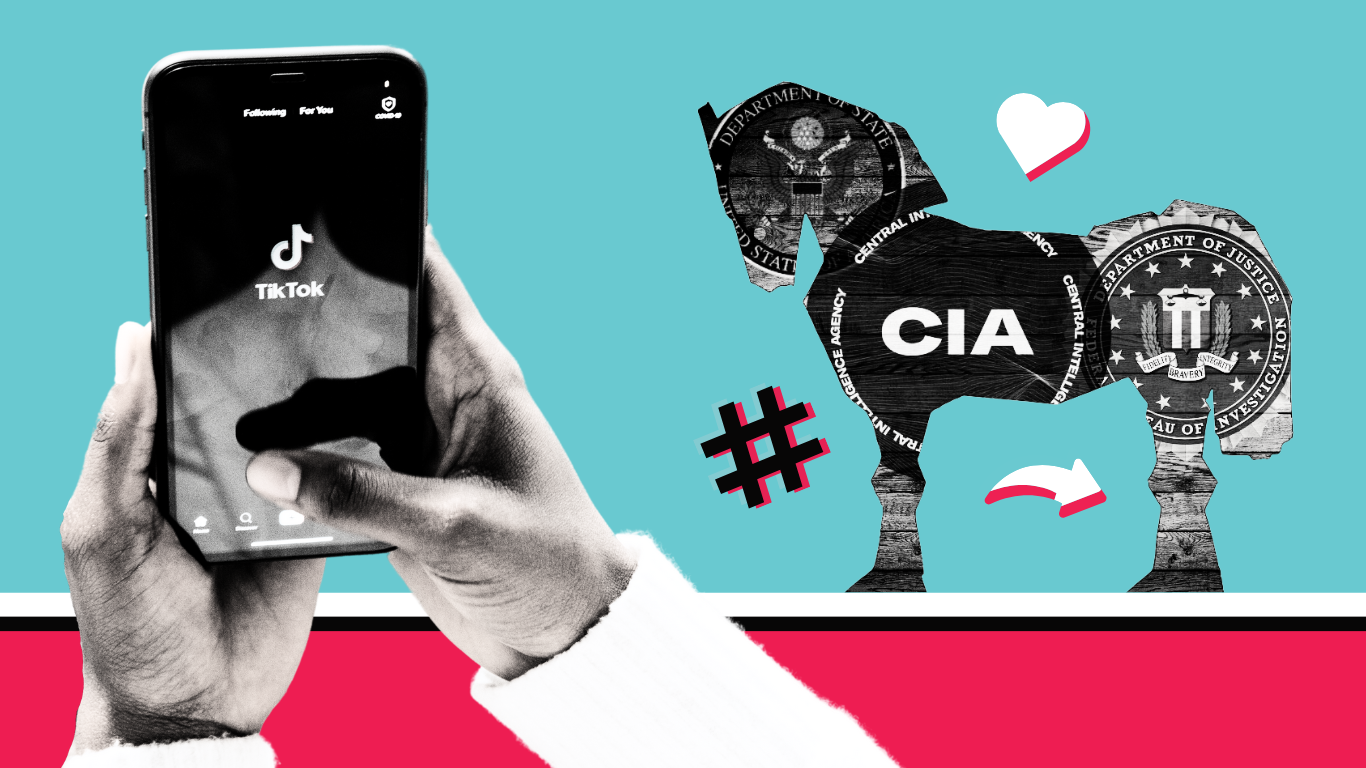
By Alan Macleod / MintPressNews
For quite some time, TikTok has been recruiting former State Department officials to run its operations.
TIKTOK: Chinese “Trojan Horse” Is Run By State Department Officials
Sen. Rand Paul to Block Sen. Josh Hawley’s Bill to Ban TikTok
Sen. Rand Paul (R-KY) plans to block a bill introduced by Sen. Josh Hawley (R-MO) that would ban the popular video-sharing app TikTok, The Hill reported Wednesday.
Sen. Rand Paul to Block Sen. Josh Hawley’s Bill to Ban TikTok
Bill to Ban Tik Tok Would Give Government Sweeping Powers to Crackdown on Tech
Bill to Ban Tik Tok Would Give Government Sweeping Powers to Crackdown on Tech
A person who violates the act could be fined up to $1 million or punished with up to 20 years in prison. The broad and vague definitions in the legislation caused many to wonder if people could be handed such harsh punishments for using Virtual Private Networks (VPNs) to get around future government censorship that could come as a result of the bill.
A spokesperson for Warner insisted that the legislation wasn’t designed to target individual users and pointed to the language that says someone “must be engaged in ‘sabotage or subversion’ of American communications technology products and services, creating ‘catastrophic effects’ on US critical infrastructure, or ‘interfering in, or altering the result’ of a federal election, in order to be eligible for any kind of criminal penalty.”
But the bill will give the Commerce Secretary the authority to deem what is considered “sabotage or subversion” or any of the other threats listed above. The legislation has grave implications for civil liberties and could be used against any individuals or tech and media companies the Biden administration, or any future administration would want to target.
Previously:
Tik-Tok bills could dangerously expand national security state
Tik-Tok bills could dangerously expand national security state 😳

Congressional proposals to address Chinese ownership of the popular app go well beyond the hearing soundbites. Let’s explore.
Tik-Tok bills could dangerously expand national security state
 Ms. Cat’s Chronicles
You must be logged in to post a comment.