
Emotions half in,
ready to step out.
Don’t give a fuck,
or still too much.
Almost through.
Held back.
Damn wind.
Trapped.
You think,
Footing secured.
Foundation gives.
Back on your ass.
—Tina Marie
Emotions half in,
ready to step out.
Don’t give a fuck,
or still too much.
Almost through.
Held back.
Damn wind.
Trapped.
You think,
Footing secured.
Foundation gives.
Back on your ass.
—Tina Marie
A searing poem about war, indifference, and collective responsibility, weaving personal loss with political critique.
Third Gulf War
(Published on The Writers Club)
Damn you,
Blood for Profit (Published on A Taste for Life; The Writers Club)
who claim to speak for God.
Shame denies you cover.
Clever disguise, lifeless eyes —
your hands, bloody instruments of wickedness.

A stark free verse poem exposing the horrors and lies of war through vivid, unflinching imagery.
Weapons of Distraction

Subscribe to get access to the rest of this post and other subscriber-only content.
A Story by Coyote Poetry
“(A sad poem. We need more friends. More kindness.)”
Mercy
H/T: Vincenza63
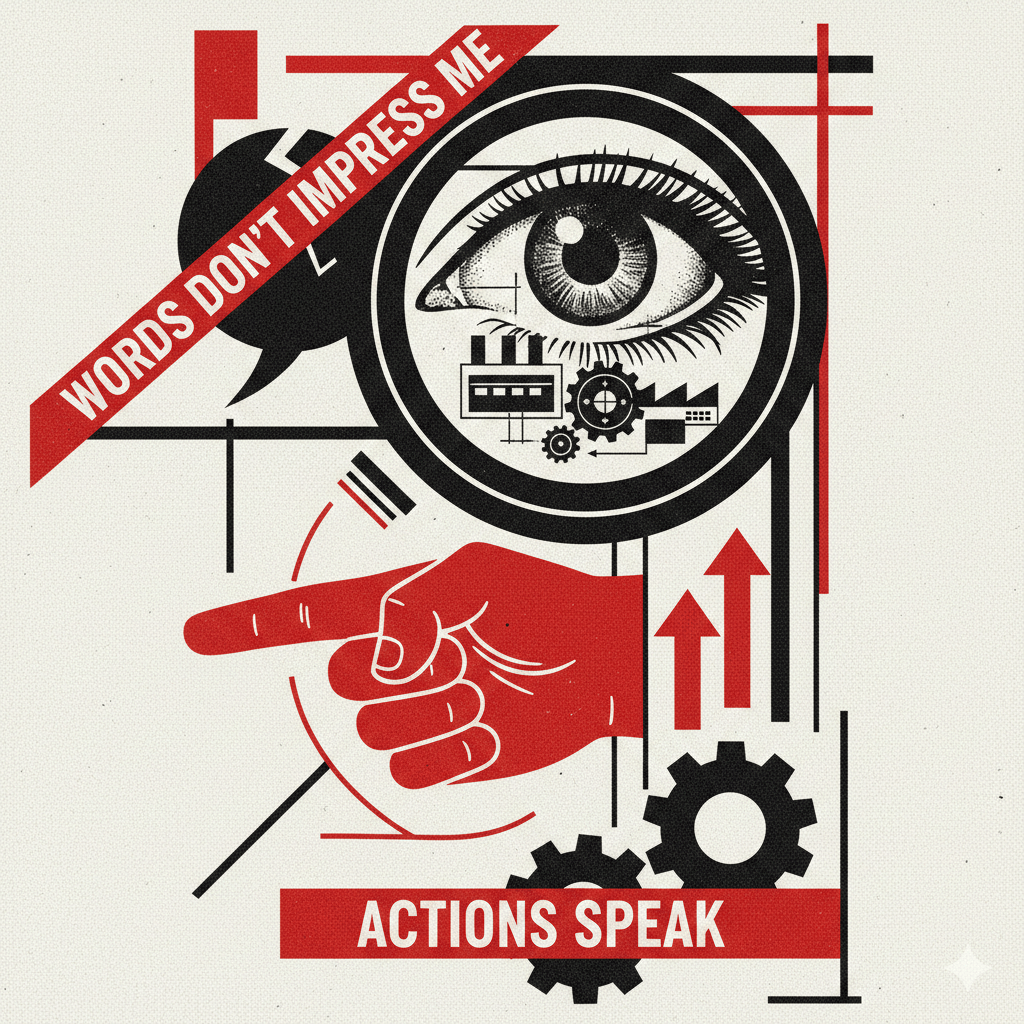
Words meant to seduce
can be used to deceive;
And don’t impress me.
You think you can persuade me?
I’ve spent years
Looking for the subtext.
Show me your actions;
back up your words.
That’s what matters.
—Tina Marie
* The person closest to your heart *
- The person closest to your heart is the one who notices your mood change from the words you write… *
- That’s a skill mastered only by those who truly love… *
- When the scope of your love for others expands, the scope of beauty in your life expands… *
- Because you cannot see ugliness in what you love, nor beauty in what you hate… *
- And if life illuminates your path for a time, remember those who walked with you in its shadows, *
- Those who remained steadfast when the light dimmed, and those who shared your patience before your joy… *
- For light is only complete with loyalty and sincerity.
 Ms. Cat’s Chronicles
You must be logged in to post a comment.