
I’m not really a fan of Stoicism, but I haven’t really given it a fair chance, so I decided to download Meditations by Marcus Aurelius and Seneca’s Letters on Ethics. I have a tendency to cherry pick quotes for inspiration though, so I looked up some from Seneca.
Read More »Tag: Quotations
Why Writing About U.S. Foreign Policy Feels Like a Battle

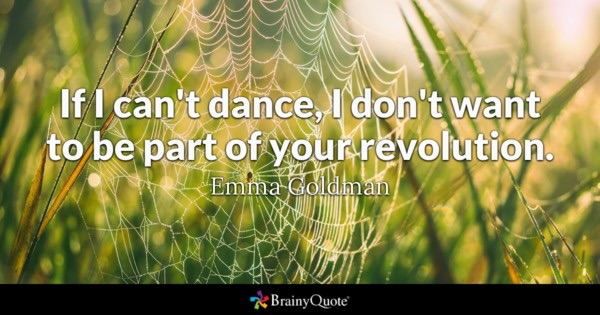
My Core Principles: From Cronkite to Communism
For the record, I am not an anarchist; I simply have a deep love of quotes and like to look up their origins. My research often reveals that favorite sayings are frequently misattributed or heavily paraphrased.
Read More »Beyond “Thank You for Your Service”: Honoring Service with Truth and Peace

Campism: The Overlooked Context of Proxy Wars

Twofer: Paramore

Marxists Write Poetry, Too.
Theory Isn’t the Only Tool

Karl Marx wrote poetry. So did Joseph Stalin. Mao Zedong as well. Their creative work came before their political and philosophical output. That’s not a coincidence—it’s a pattern. And yet, most Marxist discourse today treats art as secondary, decorative, or indulgent. Why?
Read More »My Favorites From “The Thought for the Week Collection”

Substance Before Surface

Blind Faith in Your Leaders…

 Ms. Cat’s Chronicles
You must be logged in to post a comment.