





The progressive house track features vocals from English singer BullySongs (real name Andrew Bullimore). The Chainsmokers duo, Alex Pall and Drew Taggart, said of the tune: “For us, the song is all about people who set out with the best intentions but end up with the short end of the stick.“

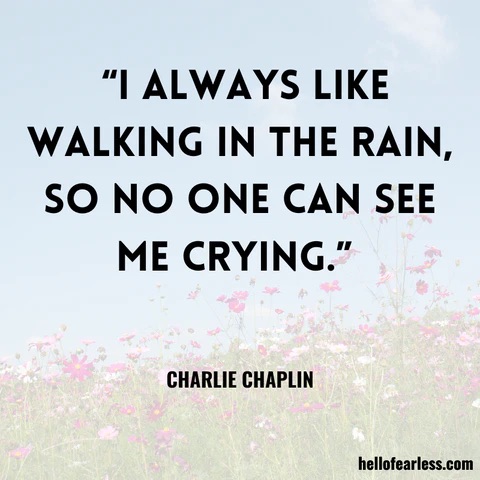


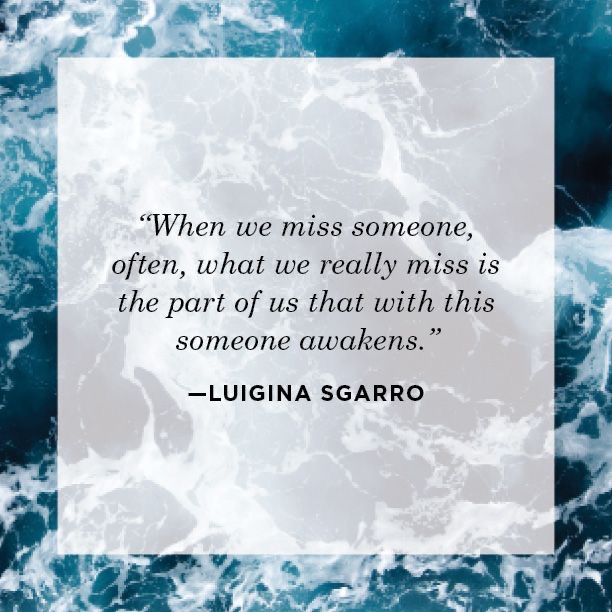

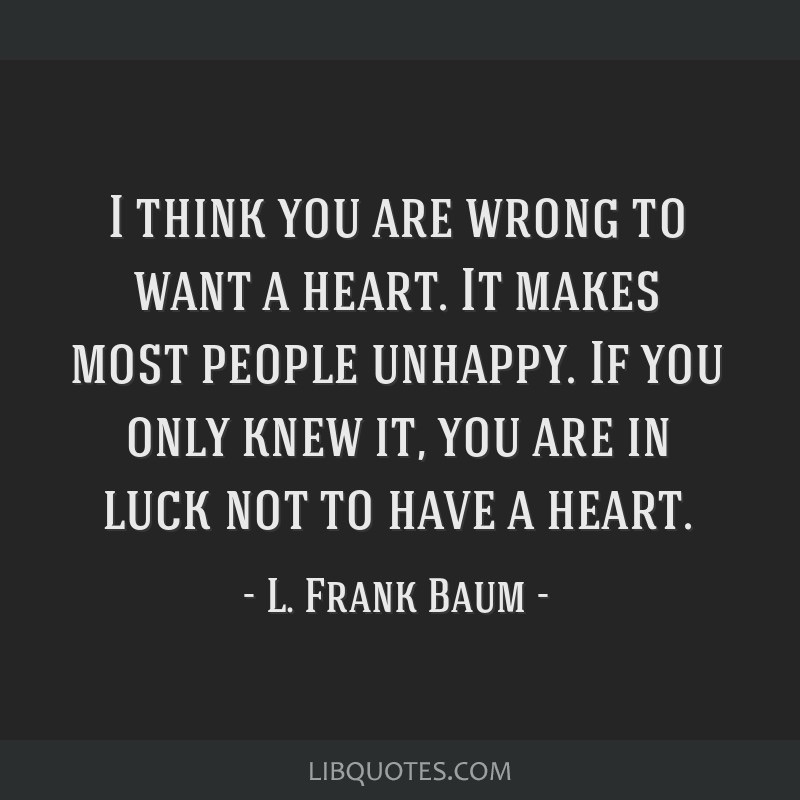





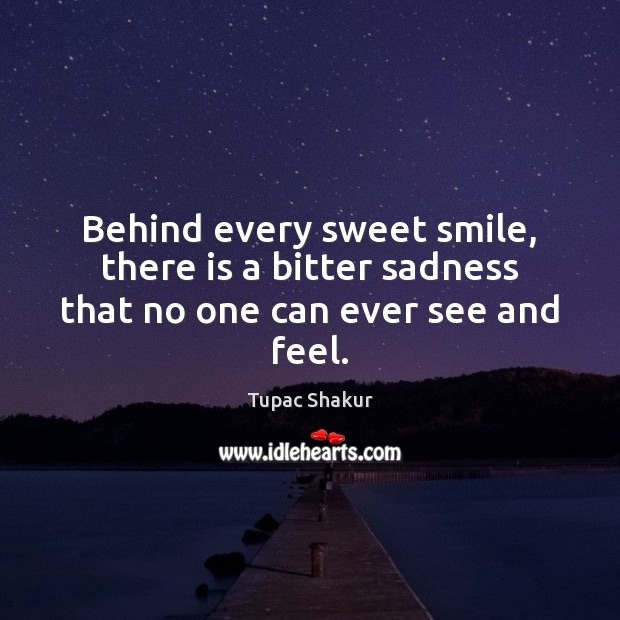



It is true that both the woman and the male worker are condemned to silence by their exploitation. But under the current system, the worker’s wife is also condemned to silence by her worker-husband. In other words, in addition to the class exploitation common to both of them, women must confront a particular set of relations that exist between them and men, relations of conflict and violence that use physical differences as their pretext.
Thomas Sankara, Women’s Liberation and the African Freedom Struggle (PDF)
Quotes:
Read More »
Grief causes you to leave yourself. You step outside your narrow little pelt. And you can’t feel grief unless you’ve had love before it – grief is the final outcome of love, because it’s love lost. […] It’s the cycle of love completed: to love, to lose, to feel grief, to leave, and then to love again. Grief is the awareness that you will have to be alone, and there is nothing beyond that because being alone is the ultimate final destiny of each individual living creature. That’s what death is, the great loneliness.
Philip K. Dick, Flow My Tears, the Policeman Said
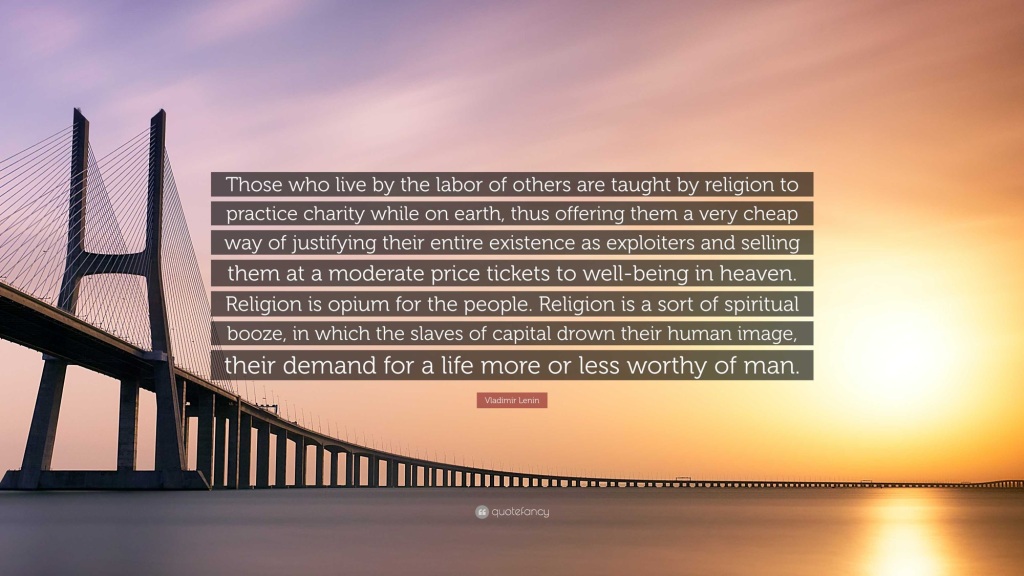
Read More »The economic oppression of the workers inevitably calls forth and engenders every kind of political oppression and social humiliation, the coarsening and darkening of the spiritual and moral life of the masses. The workers may secure a greater or lesser degree of political liberty to fight for their economic emancipation, but no amount of liberty will rid them of poverty, unemployment, and oppression until the power of capital is overthrown. Religion is one of the forms of spiritual oppression which everywhere weighs down heavily upon the masses of the people, over burdened by their perpetual work for others, by want and isolation. Impotence of the exploited classes in their struggle against the exploiters just as inevitably gives rise to the belief in a better life after death as impotence of the savage in his battle with nature gives rise to belief in gods, devils, miracles, and the like. Those who toil and live in want all their lives are taught by religion to be submissive and patient while here on earth, and to take comfort in the hope of a heavenly reward. But those who live by the labour of others are taught by religion to practise charity while on earth, thus offering them a very cheap way of justifying their entire existence as exploiters and selling them at a moderate price tickets to well-being in heaven. Religion is opium for the people. Religion is a sort of spiritual booze, in which the slaves of capital drown their human image, their demand for a life more or less worthy of man.

A Contribution to the Critique of Hegel’s Philosophy of Right: Introduction
The foundation of irreligious criticism is: Man makes religion, religion does not make man. Religion is, indeed, the self-consciousness and self-esteem of man who has either not yet won through to himself, or has already lost himself again. But man is no abstract being squatting outside the world. Man is the world of man – state, society. This state and this society produce religion, which is an inverted consciousness of the world, because they are an inverted world. Religion is the general theory of this world, its encyclopaedic compendium, its logic in popular form, its spiritual point d’honneur, its enthusiasm, its moral sanction, its solemn complement, and its universal basis of consolation and justification. It is the fantastic realization of the human essence since the human essence has not acquired any true reality. The struggle against religion is, therefore, indirectly the struggle against that world whose spiritual aroma is religion.
Religious suffering is, at one and the same time, the expression of real suffering and a protest against real suffering. Religion is the sigh of the oppressed creature, the heart of a heartless world, and the soul of soulless conditions. It is the opium of the people.
The abolition of religion as the illusory happiness of the people is the demand for their real happiness. To call on them to give up their illusions about their condition is to call on them to give up a condition that requires illusions. The criticism of religion is, therefore, in embryo, the criticism of that vale of tears of which religion is the halo.


This particular quote is often attributed to different people including Hitler and Goebbels. Being USSR-born I’ve heard many Lenin quotes about information and propaganda, but not this one, still it seems to be popular attribution in the West.
Is there any definite reference to either a Russian-language publication or a direct translation that references an original Russian-language publication quoting Lenin using this phrase?



 Ms. Cat’s Chronicles
You must be logged in to post a comment.