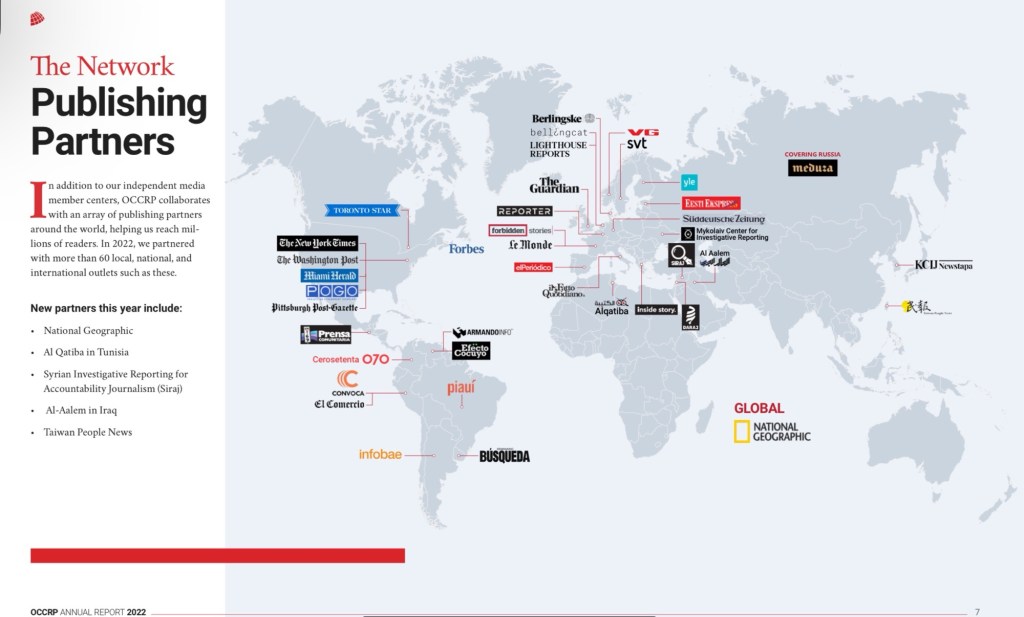
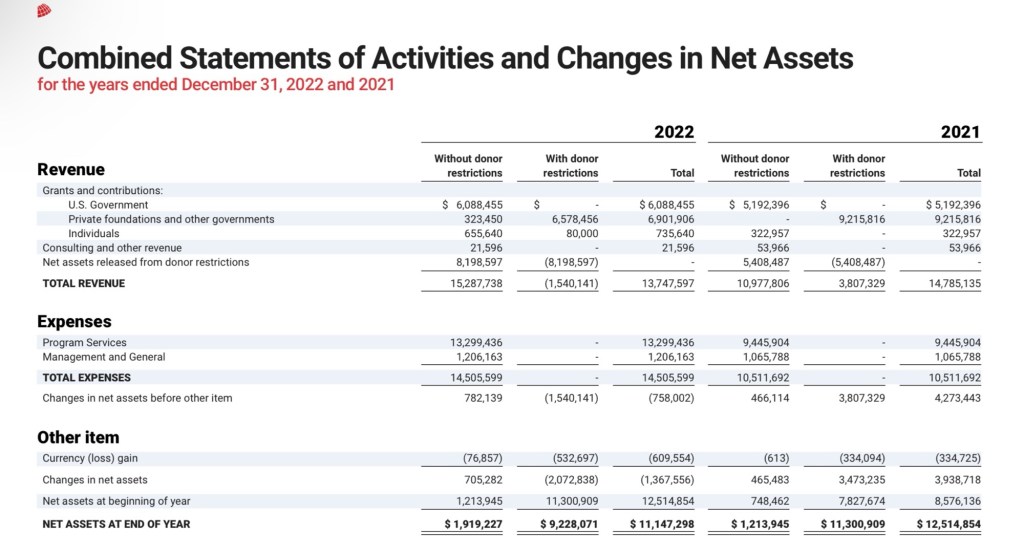
A Giant of Journalism Gets Half its Budget From the U.S. Government

A Giant of Journalism Gets Half its Budget From the U.S. Government

How Sullivan first caught the attention of the U.S. foreign policy officialdom is itself a window into the purpose of the organization. It begins with a coup in the Philippines. State Department official Michael Henning had previously been stationed there. In 2001, the non-profit outlet the Philippine Center for Investigative Journalism (PCIJ) exposed corruption by then-President Joseph Estrada, a nationalist with a standoffish relationship to the U.S. The exposé led to an impeachment inquiry, which fell short. But it also produced major street protests, leading to his ouster in a coup [EDSA 2]. The journalist’s pen was not just mightier than the sword, but less embarrassing to wield on a global stage in an era where overtly U.S.-backed military coups had gone out of fashion (if not entirely out of the toolkit). Henning was a major booster of PCIJ—which has been the beneficiary of grants from the National Endowment for Democracy—relaying its effectiveness to his colleagues.

The article refers to the Arab Spring and the Yugoslav Wars, but not how the U.S. was involved.

Related:

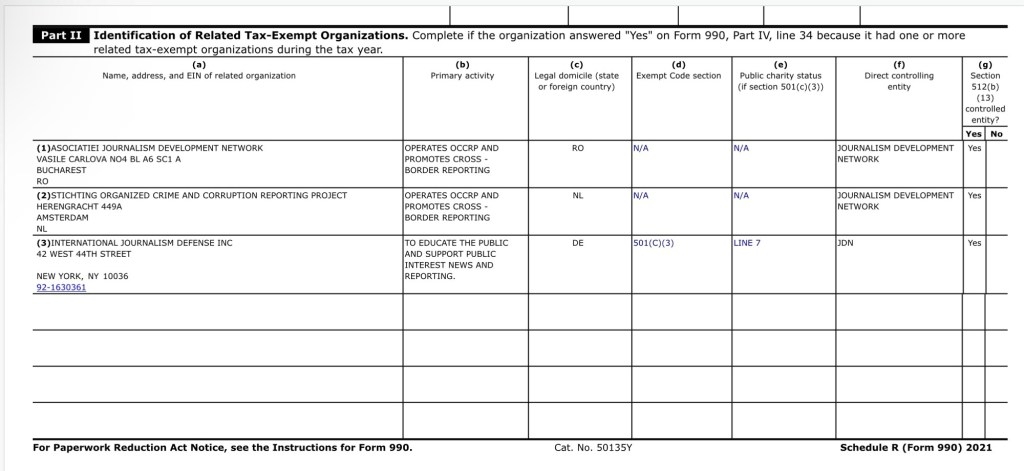
Front Organizations Behind Hit Piece on Igor Lopatonok:

Wikipedia

Grants from Luminate Group AKA Omidyar Network
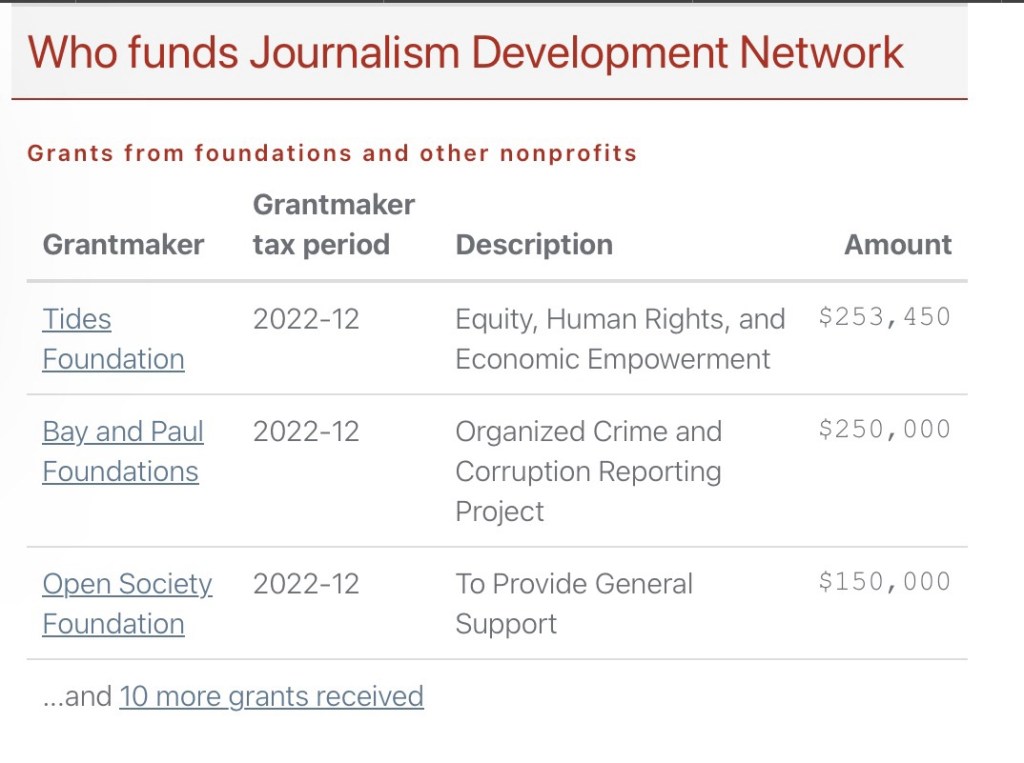
Source
Source

A ‘myriad’ of front organizations had “Media Unlocked” banned from TikTok (PCIJ)

PH’s PressONE is funded by several US front organizations

Update to Notes on Ukrainian Government Exposed Surveilling News Outlet (GIJN)

Latin American Center for Journalistic Research (CLIP)

Front Organizations

Breakup of Yugoslavia (Yugoslav Wars)

U.S. Wars and Hostile Actions (WW2 – 2014) (Arab Spring)

To Be Updated: USAID is sponsoring YouTube channels

How Democracy Can Win: The Right Way to Counter Autocracy

The most important step the United States can take to counter foreign influence campaigns and disinformation is to help our partners promote media and digital literacy, communicate credibly with their publics, and engage in “pre-bunking”—that is, seeking to inoculate their societies against disinformation before it can spread. In Indonesia, for example, USAID has worked with local partners to develop sophisticated online courses and games that help new social media users identify disinformation and reduce the likelihood that they will share misleading posts and articles.

The United States has also helped Ukraine in its fight against the Kremlin’s propaganda and disinformation. For decades, USAID has worked to enhance the media environment in the country, encouraging reforms that allow greater access to public information and supporting the emergence of strong local media organizations, including the public broadcaster Suspilne. After Russia’s initial invasion of Ukraine in 2014, our work expanded to help the country’s local journalists produce Russian-language programming that could reach into Kremlin-occupied territories, such as Dialogues With Donbas, a YouTube channel that featured honest conversations with Ukrainians about life behind Russian lines. We also helped support the production of the online comedy show Newspalm, which regularly racks up tens of thousands of views as it skewers Putin’s lies. And even before Moscow’s full-scale invasion began in February 2022, we worked with the government of Ukraine to stand up the Center for Strategic Communications, which uses memes [memetic warfare], well-produced digital videos, and social media and Telegram posts to poke holes in Kremlin propaganda.

I still need to look into Newspalm. I’ll update if I find anything. As I don’t know Ukrainian, or Russian, I’m using Google translate for the following information. Note, this is all speculation!

Speculation:

Read More »