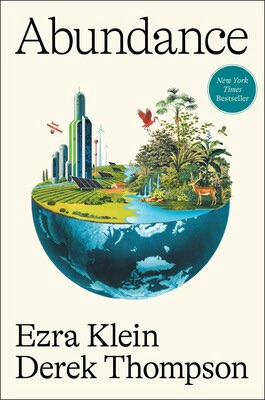
Abundance is a new book that has been attracting attention and debate among mainstream economists and politicians. It aims to explain to Democrat members in the US why their party lost the election to Trump (narrow as that result was). The authors, Ezra Klein and Derek Thompson, writers at very liberal mainstream The New York Times and The Atlantic, respectively, argue that it was because the Democrats and supporters of ‘liberal democracy’ have lost their ability in government to carry out great projects that could deliver the things and services that working people (called the ‘middle class’ in America) need.
The ban will challenge many semiconductor manufacturers in the coming months. After two years of flat consumer demand, exacerbated by the global semiconductor shortage, many companies are predicted to struggle to stay afloat. Access to critical raw materials like gallium, germanium, and antimony is becoming increasingly important due to the heightened demand for electronics due to AI.
Today’s Trump-inspired “America First” faction cannot be counted on to be consistently noninterventionist and antiwar. That it may lean that way because its chief rival faction is so enthusiastic about foreign adventurism is hardly a firm assurance that it will remain antiwar in the future.
Meta reported $114.93 million in ad revenue in 2021, whereas Google reported $209 billion. But determining how much of that publishers should get is difficult—and the JCPA doesn’t even try. One version of the JCPA proposed platforms and publishers negotiate an agreed-to payment, and if they couldn’t come to a consensus, they’d enter forced-arbitration with no formula for what is fair. But whether the money would end up being vast or a modest bump to the bottom line, not every publication stands to benefit if the JCPA becomes law. While the JCPA’s alliances allow for partnerships, exclusionary elements of the JCPA would encourage big brands to unite selectively at the expense of smaller ones and shut out niche independent journalistic outlets altogether.
The original text of the JCPA already authorized print media companies to form one or several cartels and collectively bargain with the largest online platforms—defined in terms that single out Facebook and Google. Although the bill hinted at these news cartels being able to demand payment for merely linking to their content, or hosting snippets like the results you get from Google News, the mechanism by which they would be paid was left vague. However, the fact that the bill allowed news companies to withhold content strongly suggested a claim to some sort of property right, or ancillary copyright, that the targeted platforms would owe for hosting links and snippets.
This would also hurt independent media and bloggers (you would have to pay a ‘link tax’ to corporate media for linking to their articles—see below image)! So far, it hasn’t passed (it was attached to the NDAA) but there’s still the omnibus spending bill and the next session of Congress!
The United Nations has added its voice to the growing list of international organisations, including the World Bank and the World Trade Organisation, warning that interest rate hikes imposed by the US Federal Reserve are creating the conditions for a financial crisis and global recession.




 Ms. Cat’s Chronicles
You must be logged in to post a comment.