During World War II, the Nazi system of extermination camps was fairly efficient. Relatively small death camps like Belzec, Sobibor, and Treblinka killed an astonishing number of people, more than 1.6 million and nearly all Jews, quickly and efficiently. If there were a Nazi DOGE, I suppose these death camps may have won “efficiency” awards from it. They stripped the incoming victims of all their valuables and then killed virtually all of them. The loot stolen by the SS was then distributed, again fairly efficiently.
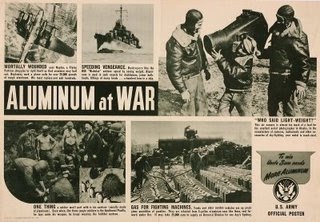
Alcoa is now the third largest aluminum producer in the world. Back in 1941, it was much more powerful. It had a monopoly on aluminum in addition to owning a massive amount of America’s electricity production and other minerals. Before America declared war on Germany, it sent so much of its aluminum product over to Germany that the country made upwards of sixty percent more aluminum products than America. When the US’s involvement in the war began, there was a massive aluminum production shortage in America, in no small part because of Alcoa’s monopoly. Alcoa essentially sold the Axis powers much of the material to build their war machines and a reprieve from the American war machine.
…
2. General Motors
Similar to their automotive rivals, General Motors was sued by Holocaust survivors for assisting the Nazi war machine. Beginning in 1935, GM built a factory in Berlin for the purpose of building “Blitz” trucks for the Wehrmacht. Ford began building similar trucks around the same time, but GM was the number one producer of the vehicles that were vital for the quick conquests of Poland, France, and much of the Soviet Union. Albert Speer, the minister of armaments and war production, claimed that the rubber GM supplied was the key to the ability of the Germans to wage war the way they did. Inevitably when America declared war on Germany, the Reich seized GM’s German production facilities.
Although neither Ford nor General Motors ever fully conceded that they had willingly participated in the use of slave labor, they both were massive contributors to a fund started in 2000 for Holocaust survivors.
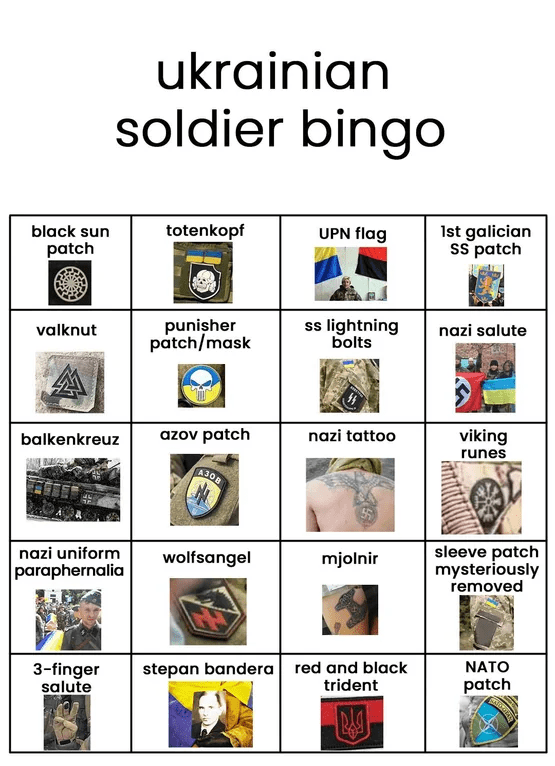
The government-funded research project’s mysterious removal of Azov’s profile was followed by a State Department decision to allow the controversial right-wing unit to receive U.S. military aid.


 Ms. Cat’s Chronicles
You must be logged in to post a comment.