Senator Brian Schatz Joins The Moral Panic With Unconstitutional Age Verification Bill

Senator Brian Schatz is one of the more thoughtful Senators we have, and he and his staff have actually spent time talking to lots of experts in trying to craft bills regarding the internet. Unfortunately, it still seems like he still falls under the seductive sway of this or that moral panic, so when the bills actually come out, they’re perhaps more thoughtfully done than the moral panic bills of his colleagues, but they’re still destructive.

Senator Brian Schatz Joins The Moral Panic With Unconstitutional Age Verification Bill

Related:

Bipartisan Senate bill would ban social media algorithms for minors

Senators Brian Schatz (D-Hawaii), Chris Murphy (D-Conn), Katie Britt (R-Ala) and Tom Cotton (R-Ark) introduced the Protecting Kids on Social Media Act on Wednesday. The bill would set a minimum age of 13 to use social media sites, and would require parental consent and age verification for users under 18.

The Messed Up Truth About The Louisiana Purchase

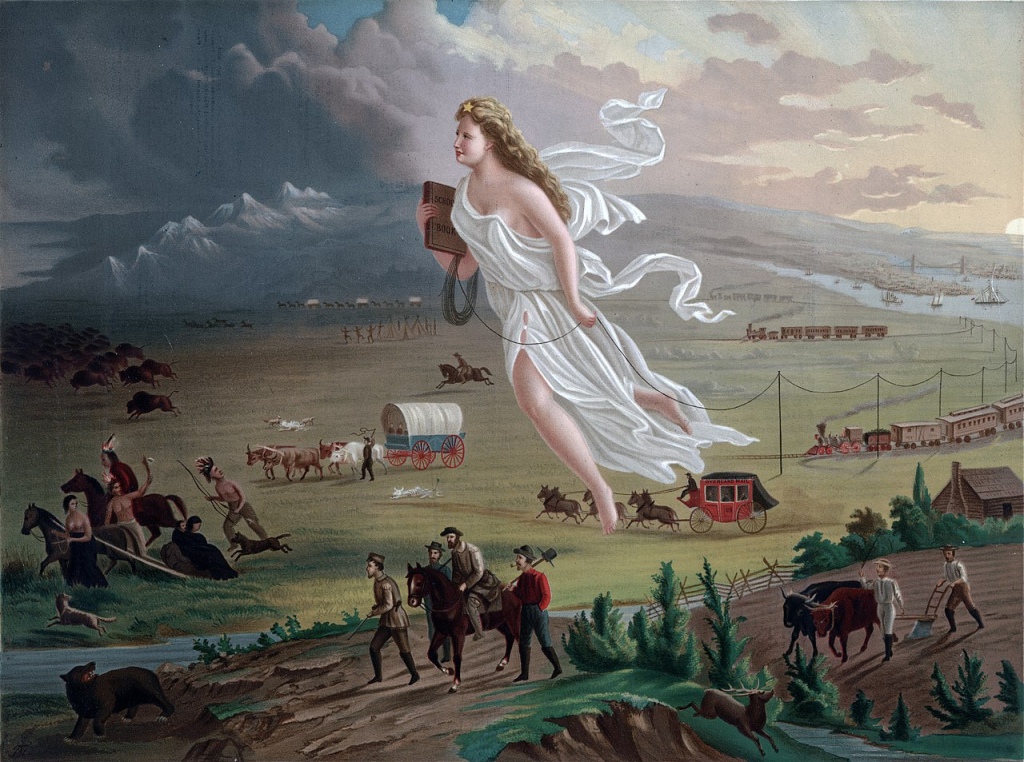
American Progress, 1872.

The Louisiana Purchase is usually presented as an incredible, inspiring moment in American history in which President Thomas Jefferson, wise, benevolent eyes twinkling under his powdery white wig, made an incredibly shrewd real estate deal with notorious, disgraced French emperor Napoleon Bonaparte and, with one stroke of his giant quill pen, doubled the size of the United States of America for the bargain price of $15 million, or just three cents an acre. What we don’t usually learn about is the negative domino effect this treaty had in terms of inspiring the concept of manifest destiny or the belief that white colonists had a God-given duty to expand across North America and redeem and remake the land in their own image.

The Messed Up Truth About The Louisiana Purchase

UN lies about US military occupation of Syria + Exclusive Interview

US troops have illegally occupied Syria’s oil-rich territory for years, but a top United Nations official, Farhan Haq, falsely claimed “there’s no US armed forces inside of Syria”. Chinese reporter Edward Xu called out the UN’s hypocrisy on Ukraine.

UN lies about US military occupation of Syria, reporter calls out Ukraine hypocrisy

Related:

EXCLUSIVE INTERVIEW with the journalist who exposed UN Spokesperson’s embarrassing mistake via Syriana Analysis

Senate Leaves AUMF for Secret Wars in Force

On March 29, the Senate voted to repeal two Authorizations for the Use of Military Force, (AUMF’s), one passed in 1991 and another in 2002. The repeal now goes to the House. But those Authorizations are irrelevant to the present; they apply only to the Iraq war. But a third AUMF, passed in 2001, was left untouched. And that AUMF is the only one that has a bearing on the present moment, because it provides legal cover for the many US military operations, open and secret, around the world.

Senate Leaves AUMF for Secret Wars in Force

Bill to Ban Tik Tok Would Give Government Sweeping Powers to Crackdown on Tech

Bill to Ban Tik Tok Would Give Government Sweeping Powers to Crackdown on Tech

A person who violates the act could be fined up to $1 million or punished with up to 20 years in prison. The broad and vague definitions in the legislation caused many to wonder if people could be handed such harsh punishments for using Virtual Private Networks (VPNs) to get around future government censorship that could come as a result of the bill.

A spokesperson for Warner insisted that the legislation wasn’t designed to target individual users and pointed to the language that says someone “must be engaged in ‘sabotage or subversion’ of American communications technology products and services, creating ‘catastrophic effects’ on US critical infrastructure, or ‘interfering in, or altering the result’ of a federal election, in order to be eligible for any kind of criminal penalty.”

But the bill will give the Commerce Secretary the authority to deem what is considered “sabotage or subversion” or any of the other threats listed above. The legislation has grave implications for civil liberties and could be used against any individuals or tech and media companies the Biden administration, or any future administration would want to target.

Previously:

Tik-Tok bills could dangerously expand national security state