
Tag: Sheikh Hasina
American/Ukrainians Caught Arming Militants in Myanmar and the US Dirty War on China
The arrest of foreign mercenaries on the India–Myanmar border has once again drawn attention to the hidden mechanisms of external interference and the role of proxy structures in modern conflicts.
American/Ukrainians Caught Arming Militants in Myanmar and the US Dirty War on China
Previously:
Read More »Big Details Emerge After US Mercenary Matthew VanDyke’s Arrest In India
U.S. seeks to be ‘friends’ with Bangladesh’s once-banned Islamist party
Bangladesh moves to ban Awami League, approves tribunal law amendments for trial
The interim government has decided to ban the Awami League party of deposed prime minister Sheikh Hasina under the Anti-Terrorism Act, bowing to demands from the National Citizen Party (NCP), Jamaat-e-Islami, and other religious-based political parties.
Bangladesh moves to ban Awami League, approves tribunal law amendments for trial
Related:
Bangladesh’s Constitution reform: Sweeping changes in the constitution
Residents attack Bangladesh air force base and clash with soldiers, leaving 1 dead
Residents attack Bangladesh air force base and clash with soldiers, leaving 1 dead
DHAKA, Bangladesh (AP) — Residents in southern Bangladesh on Monday attacked an air force base following an altercation, prompting soldiers from the base to open fire, killing at least one person and injuring several others, local media reported.
Read More »
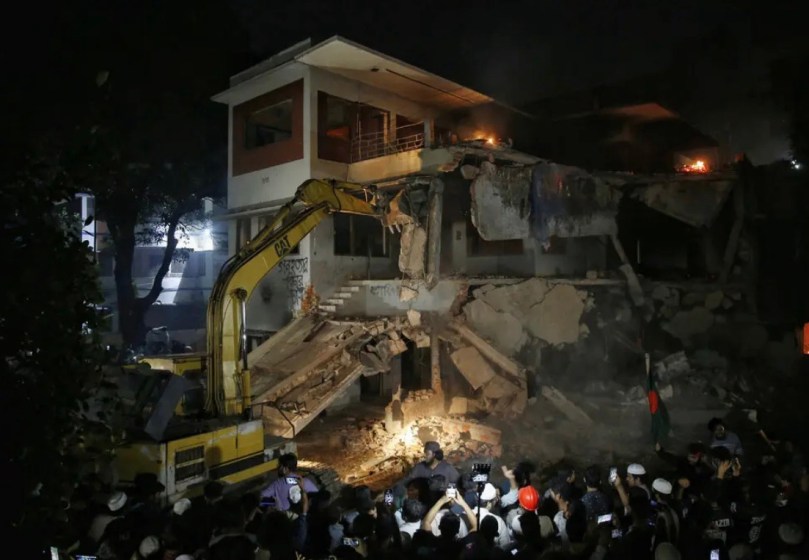
[02-10-2025] Bangladesh launches ‘Operation Devil Hunt’ against Hasina loyalists
Jahangir Alam Chowdhury, head of the interior ministry in the interim government that took over after Hasina was ousted in the August 2024 student-led revolution, has dubbed it “Operation Devil Hunt”.
“It will continue until we uproot the devils,” Chowdhury told reporters. The sweeping security operations come after days of unrest.
On Wednesday, six months to the day since Hasina fled as crowds stormed her palace in Dhaka, protesters smashed down buildings connected to her family using excavators.
Read More »
Bangladesh’s Constitution reform: Sweeping changes in the constitution
Constitution reform: Sweeping changes in constitution
Expanding the fundamental rights to include food, clothing, shelter, education, internet, and vote, the Constitution Reform Commission proposes replacing nationalism, socialism, and secularism with equality, human dignity, social justice and pluralism as fundamental principles of state policy.
…
Modifying, the much discussed article 70, the commission recommends that parliamentarians be allowed to vote against party line except finance bills.
…
The constitution commission recommends deletion of the constitutional provision that stipulates inclusion of Bangabandhu Sheikh Mujibur Rahman’s speech of March 7, 1971, his declaration of independence and the proclamation of independence, which are included in the 5th, 6th and 7th schedules respectively.
FYI, it was written by International IDEA, which is funded by USAID, Open Society Foundations, and several Western governments.
Related:
Leaked files expose covert US government plot to ‘destabilize Bangladesh’s politics’
Atlantic Council’s Ali Riaz to lead commission on constitutional reforms for Bangladesh
India is losing Bangladesh to China and Pakistan, and it could get worse
India is losing Bangladesh to China and Pakistan, and it could get worse
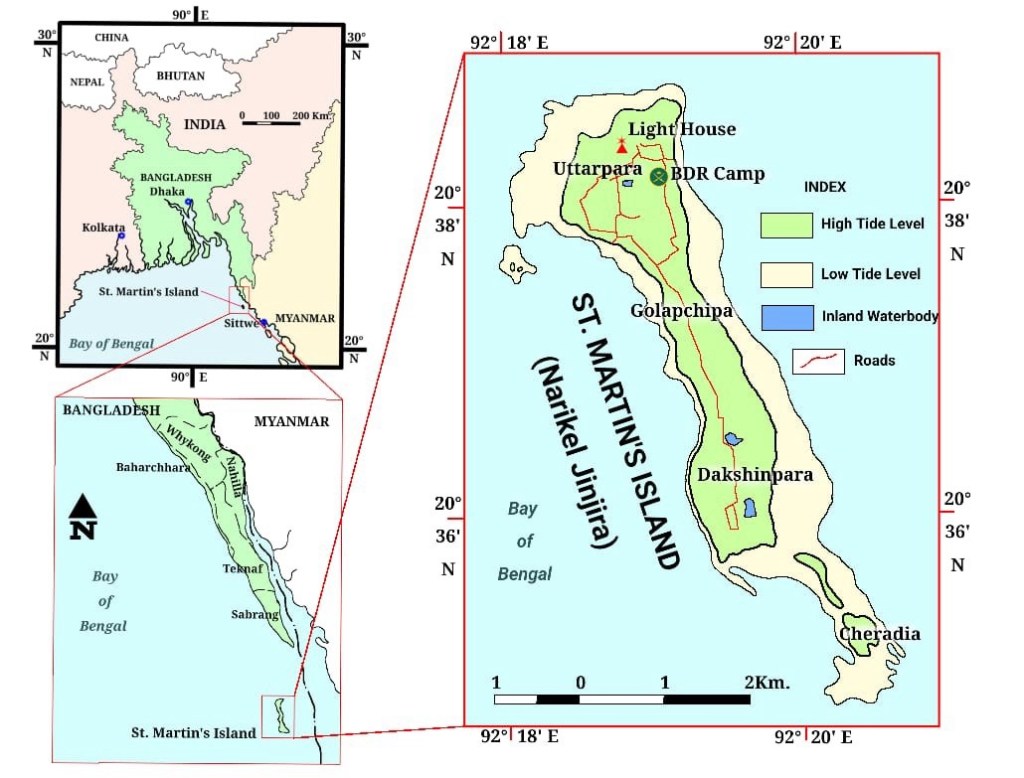
by Derek J Grossman, RAND
Beijing has further sought to develop numerous Bangladeshi ports, including Chittagong, Mongla, and Sonadia ports, to achieve a maritime presence in the Bay of Bengal. Enhanced access to any or all of these ports could substantially add to Beijing’s “string of pearls” strategy to hem in India in the Indian Ocean.
Read More »
[11-26-2024] Sources for the Indian Ocean: Bay of Bengal & Strait of Malacca
Originally posted on Tuesday, November 26, 2024.
Search for “Bay of Bengal” in this document: Bangladesh and Kenya.
Read More » Ms. Cat’s Chronicles
You must be logged in to post a comment.