
Reba Maybury’s Art Subverts the Patriarchy by Making Men Work for Her

The pattern is familiar, and the escalation is predictable. I warned about this recently, and now it’s unfolding exactly as anticipated.
From my May 22 post:
Just as I anticipated, the blame is being directed at China. Marco Rubio, currently serving in the Trump administration, has previously targeted various leftist organizations for their funding connections to Neville Roy Singham, who has been accused of having ties to the Communist Party of China. These allegations originated from front groups linked to Stratfor, often referred to as the “Shadow CIA,” as well as the State Department and U.S. Intelligence. Additionally, the Network Contagion Research Institute (NCRI) receives backing from the Israel lobby. Recall my previous post about Project Esther, which linked antisemitism to Marxism. Expect a crackdown on leftists and other antiwar activists who are protesting the Gaza war.
On May 28, the Heritage Foundation—architect of Project Esther—officially embraced the narrative linking pro-Palestinian activism to Chinese influence.
The Heritage Foundation’s Project Esther is more than a framework—it’s a blueprint for ideological suppression masquerading as national security policy. By tying anti-Zionism to antisemitism, then layering in foreign influence accusations, the initiative sets the stage for a sweeping crackdown on dissent. Under the guise of national security, any challenge to U.S. policy—whether in opposition to the Gaza war or broader leftist movements—can be framed as a foreign threat. This justification makes mass surveillance not just palatable but necessary.
Enter Palantir—the data engine that makes ideological suppression scalable. While Heritage Foundation shapes the narrative and justification for crackdowns, Palantir provides the technical apparatus to execute them. As I warned in my earlier post, EO 14243 and Trump’s Data Consolidation: The Hidden Agenda Behind Big Tech Surveillance, Palantir is embedding digital IDs across DHS, IRS, and Social Security, consolidating surveillance under the guise of fraud prevention. These tools, once presented as safeguards against fraud, now serve a far clearer purpose: streamlining the targeting and suppression of leftist dissent. Heritage Foundation supplies the blueprint—Palantir builds the machinery.
This isn’t new. The playbook remains the same—COINTELPRO weaponized bureaucratic surveillance to neutralize Black liberation and leftist movements under the guise of national security. Now, Project Esther will leverage EO 14243’s infrastructure to fuse ideological suppression with the mechanics of automated surveillance. Just as COINTELPRO framed activists as subversives to justify government crackdowns, Project Esther weaponizes accusations of extremism and foreign influence to achieve similar ends. The targets have shifted, but the machinery of repression remains intact.
Don’t say I didn’t warn you.

I wrapped my copy of Capital by Karl Marx in a transparent book cover and decorated it with cat stickers.

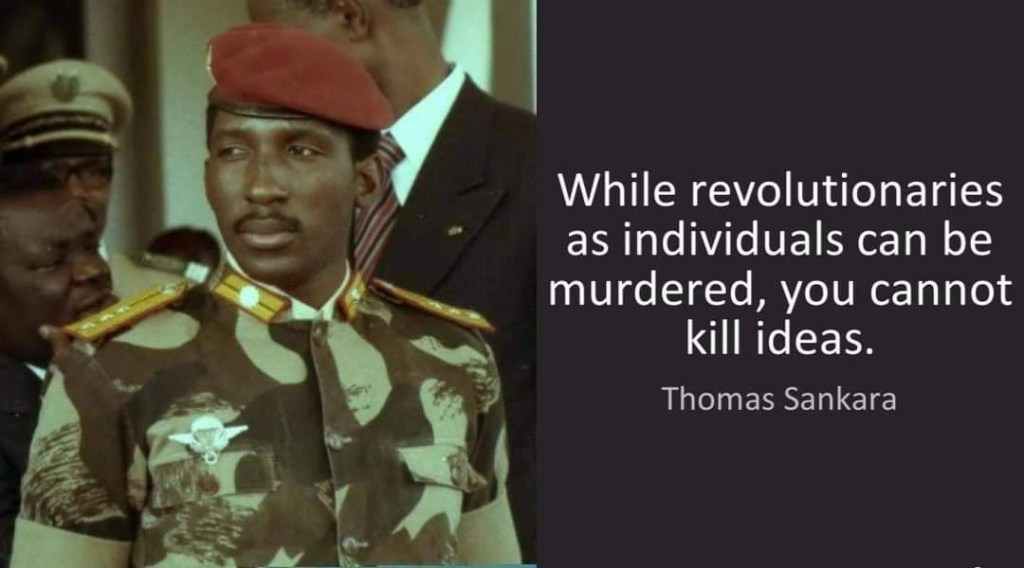
Why Washington is Worried About Burkina Faso’s Young Revolutionary Leader
Related Videos:
HRW accused Burkina Faso of war crimes
Related Articles:
The US/EU/NATO’s Regime Change Playbook for Burkina Faso and Captain Ibrahim Traoré
The Rising Star of Cpt. Ibrahim Traore – Burkina Faso’s Spirit of Sankara
In February 2024, Traoré ordered the suspension of the issuance of export permits for small-scale private gold production, a move aimed at tackling illegal trade. According to the World Gold Council’s 2023 figures, Burkina Faso is the 13th-largest gold producer in the world, producing about 100 tonnes, equivalent to about US$6 billion in value, each year.
Document: Burkina Faso

Comrade workers! May Day is coming, the day when the workers of all lands celebrate Their awakening to a class- conscious life, their solidarity in the struggle against all coercion and oppression of man by man, the struggle to free the toiling millions from hunger, poverty, and humiliation. Two worlds stand facing each other in this great struggle: the world of capital and the world of labour, the world of exploitation and slavery and the world of brotherhood and freedom.

Mirrors of Moscow: Nikolai Lenin
LENIN became an active revolutionist through the spiritual motives that have moved all great reformers — not because he himself was hungry and an outcast, but because he could not stand by unmoved in a world where other men were hungry and outcast. Such characters are predestined internationalists; the very quality that lifts them above materialism places them above borders and points of geography; they strive for the universal good. Lenin believes that the only thing worth living for is the next generation. Communism is his formula for saving the next generation from the injustices and inequalities of the present.
Read More »
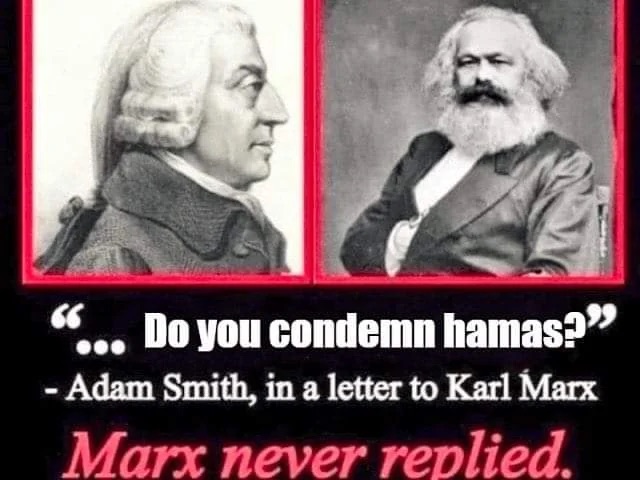
The Trump administration’s push to cast pro-Palestinian protesters as Hamas supporters — and then use anti-terror and immigration laws to quiet campus demonstrations — was forecast in a little-known plan last year from the creators of Project 2025.
How “Project Esther” forecast Trump’s plan to silence protests, boost deportations
Related:
Read More »

 Ms. Cat’s Chronicles
You must be logged in to post a comment.