
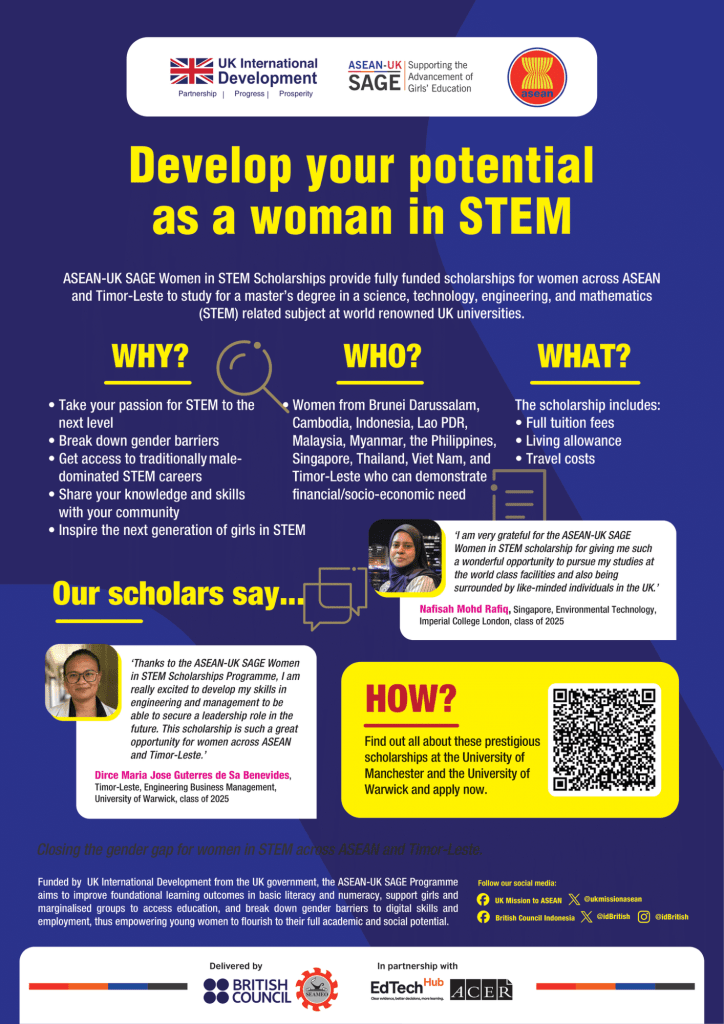
Postgraduate scholarships for women in STEM: ASEAN-UK SAGE Women in STEM Scholarships 2025
Read More »Data-mining company Palantir is poised to turbocharge its sales to the U.S. military under President Donald Trump, amid signs that his administration plans to loosen the hold of traditional defense contractors and tap Palantir executives for key government positions.
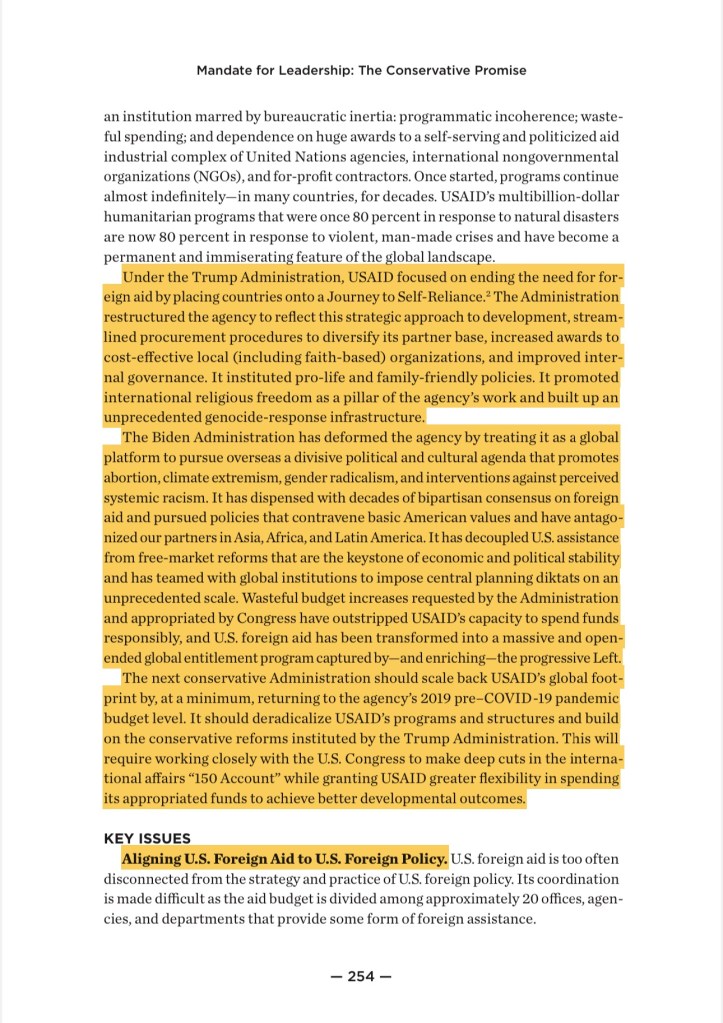
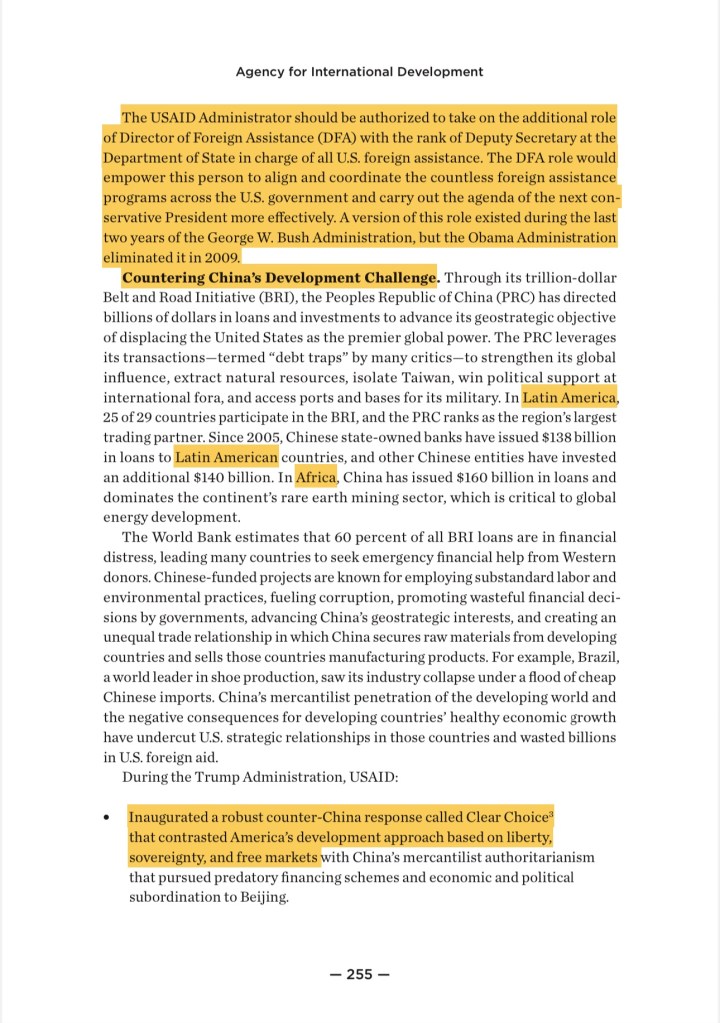
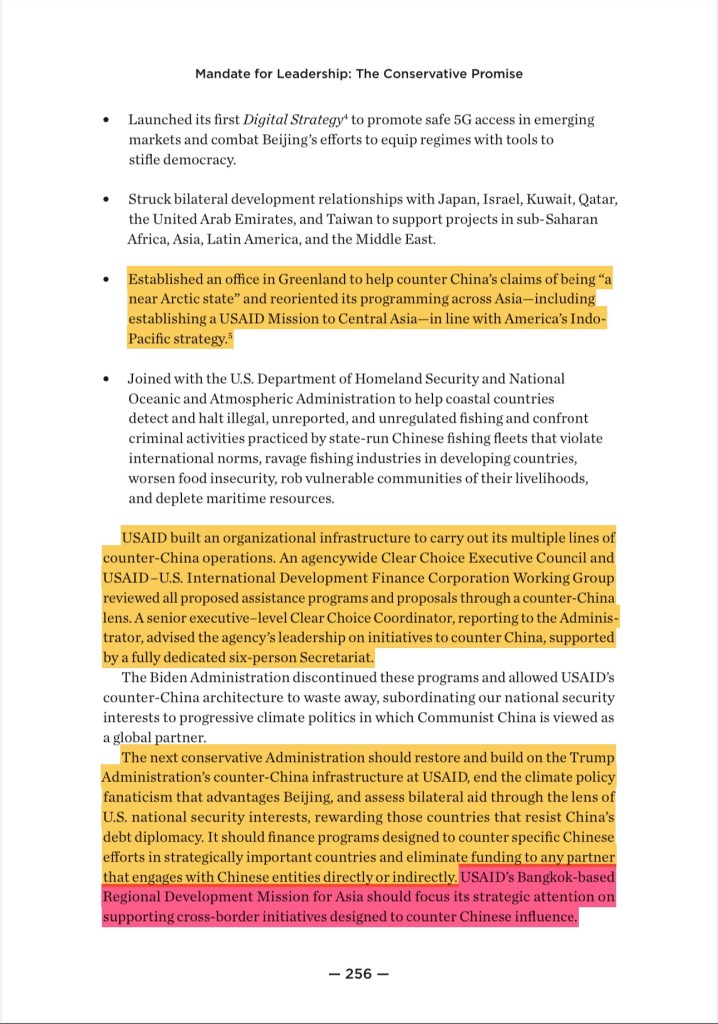
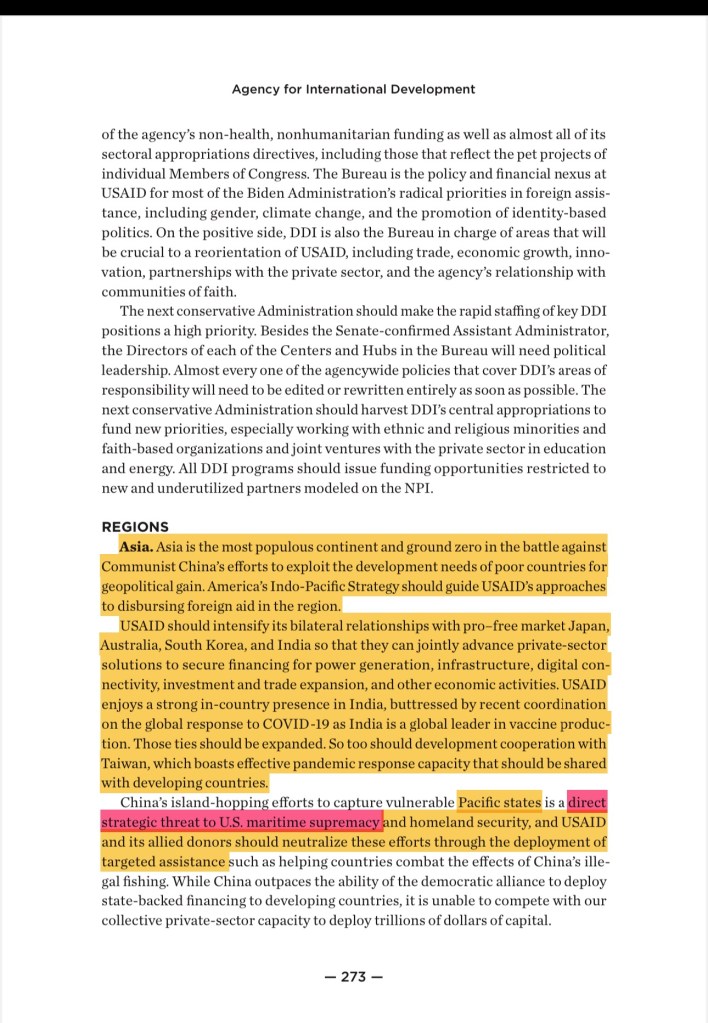
Trump has been following the Project 2025 playbook, Mandate for Leadership. USAID is discussed in Chapter 9. It all comes down to countering China and the Belt and Road Initiative.
Constitution reform: Sweeping changes in constitution
Expanding the fundamental rights to include food, clothing, shelter, education, internet, and vote, the Constitution Reform Commission proposes replacing nationalism, socialism, and secularism with equality, human dignity, social justice and pluralism as fundamental principles of state policy.
…
Modifying, the much discussed article 70, the commission recommends that parliamentarians be allowed to vote against party line except finance bills.
…
The constitution commission recommends deletion of the constitutional provision that stipulates inclusion of Bangabandhu Sheikh Mujibur Rahman’s speech of March 7, 1971, his declaration of independence and the proclamation of independence, which are included in the 5th, 6th and 7th schedules respectively.
FYI, it was written by International IDEA, which is funded by USAID, Open Society Foundations, and several Western governments.
Related:
Leaked files expose covert US government plot to ‘destabilize Bangladesh’s politics’
Atlantic Council’s Ali Riaz to lead commission on constitutional reforms for Bangladesh
China continues to strengthen its military capabilities, combining rapid growth in conventional power with readiness to counter U.S. asymmetrical strategies.
Chinese Military Might vs Washington’s Asymmetrical Tools of Empire (archived)
Previously:
US proxy groups capture Rakhine State in Myanmar
US Greenland-Panama Ambitions Aimed at War with Russia-China
Hot spots where war may break out or escalate in 2025: Balochistan
Sources (asterisks denote added sources):
Read More »As geopolitical tensions escalate, the U.S. wields its most formidable weapon—not military might, but a sophisticated network of political and informational control that reshapes nations and regions to serve its interests
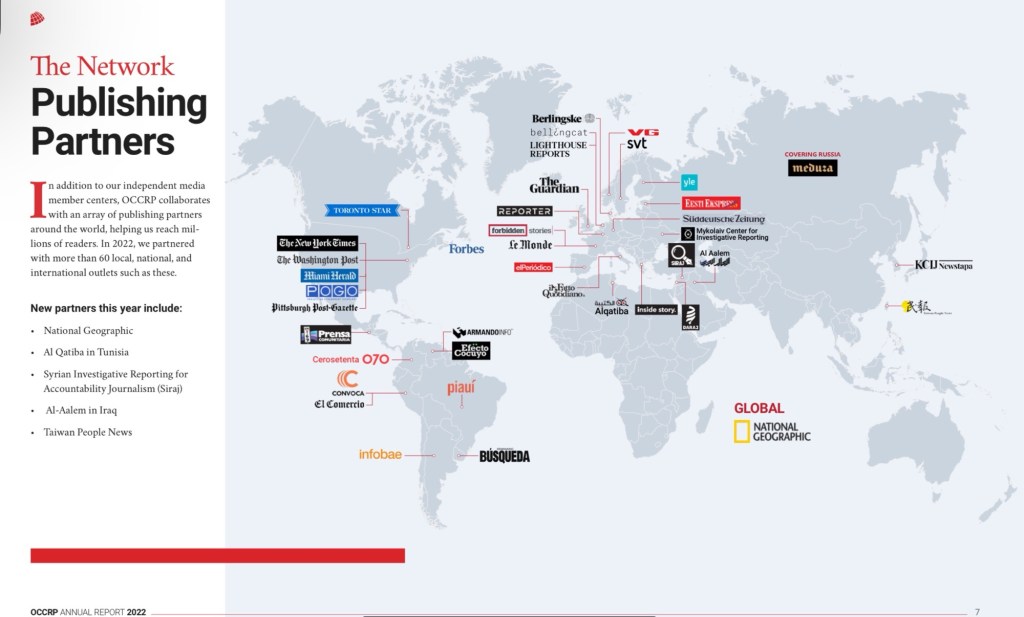
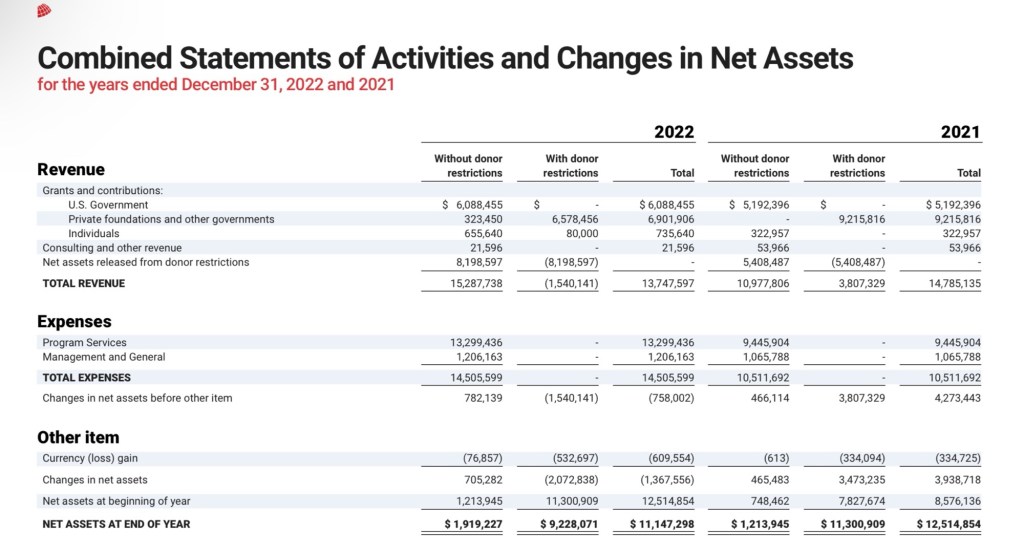
A Giant of Journalism Gets Half its Budget From the U.S. Government
How Sullivan first caught the attention of the U.S. foreign policy officialdom is itself a window into the purpose of the organization. It begins with a coup in the Philippines. State Department official Michael Henning had previously been stationed there. In 2001, the non-profit outlet the Philippine Center for Investigative Journalism (PCIJ) exposed corruption by then-President Joseph Estrada, a nationalist with a standoffish relationship to the U.S. The exposé led to an impeachment inquiry, which fell short. But it also produced major street protests, leading to his ouster in a coup [EDSA 2]. The journalist’s pen was not just mightier than the sword, but less embarrassing to wield on a global stage in an era where overtly U.S.-backed military coups had gone out of fashion (if not entirely out of the toolkit). Henning was a major booster of PCIJ—which has been the beneficiary of grants from the National Endowment for Democracy—relaying its effectiveness to his colleagues.
The article refers to the Arab Spring and the Yugoslav Wars, but not how the U.S. was involved.
Related:
Front Organizations Behind Hit Piece on Igor Lopatonok:



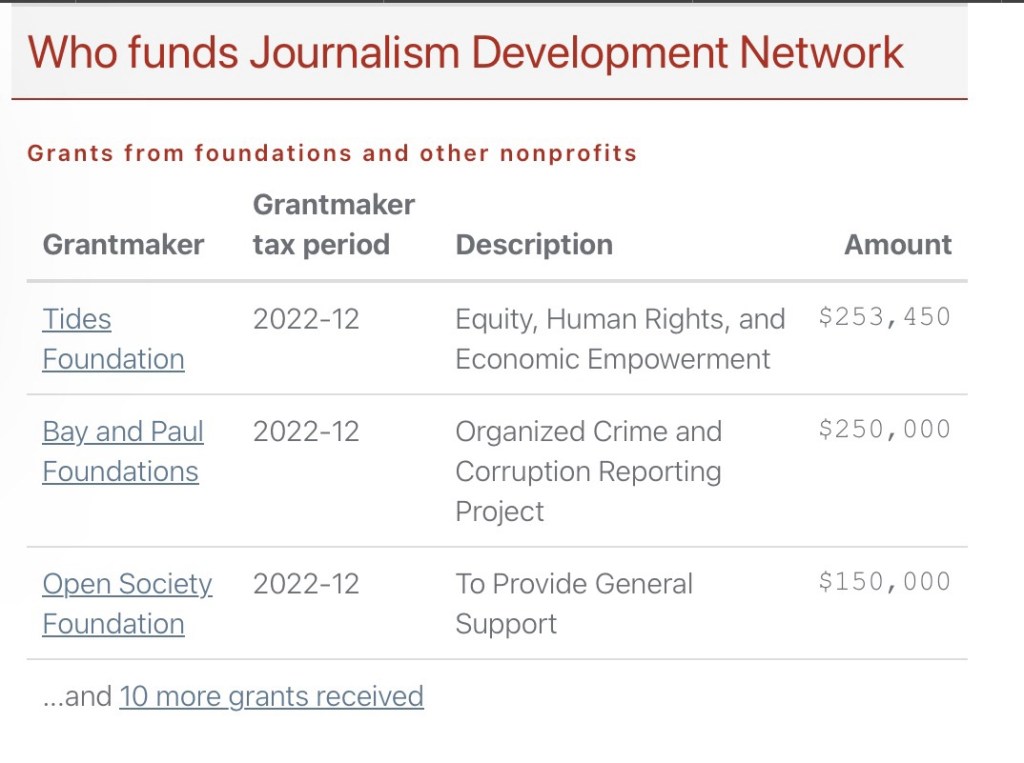
Grants from Luminate Group AKA Omidyar Network
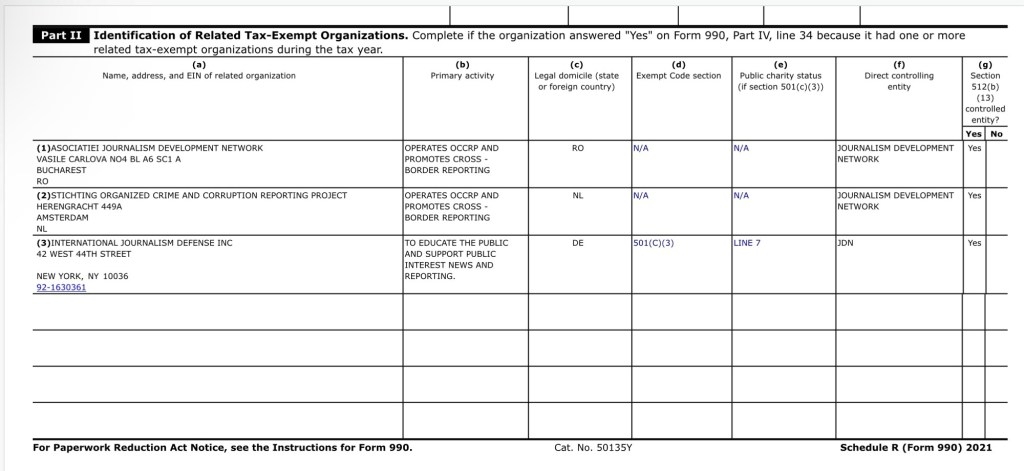
A ‘myriad’ of front organizations had “Media Unlocked” banned from TikTok (PCIJ)
PH’s PressONE is funded by several US front organizations
Update to Notes on Ukrainian Government Exposed Surveilling News Outlet (GIJN)
Latin American Center for Journalistic Research (CLIP)
Breakup of Yugoslavia (Yugoslav Wars)
U.S. Wars and Hostile Actions (WW2 – 2014) (Arab Spring)
 Ms. Cat’s Chronicles
You must be logged in to post a comment.