EDSA1: The Snap Revolution

Off to the side was a more youthful Wolfowitz. He told me that this picture, which had pride of place in his office, was of exactly the moment when the Reaganites had narrowly voted to dump the Ferdinand Marcos dictatorship in the Philippines in 1986 and to recognize the election victory of his opponent Cory Aquino.* “It was the first argument I won,” said Wolfowitz proudly. “I said that if we supported a dictator to keep hold of a base, we would end up losing the base and also deserving to do so. Whereas,” he went on, “by joining the side of ‘people power’ in Manila that year, we helped democracy movements spread through Taiwan and South Korea and even I think into Tiananmen Square in 1989.

* See, for the best account of this upheaval in real time, James Fenton’s book The Snap Revolution.

Related:

*The Snap Revolution (Part One: The Snap Election) | James Fenton

*The Snap Revolution (Part Two: The Narrow Road to the Solid North)

*The Snap Revolution (Part Three: The Snap Revolution)

Previously: PH’s EDSA1 AKA People Power Revolution

Google Document: PH’s EDSA1 AKA People Power Revolution & Chile’s 1988 Plebiscite
Tiananmen Square

Polish strategic port changes hands from China to U.S.

Timestamp: 7:02 – NATO’s Access to the Northern Sea Route from BlackRock’s Gdynia Port.

Tomasz Łukaszuk, who is also a research scientist at Warsaw University, was speaking as a U.S. consortium led by BlackRock is set to acquire a major stake in ports along the Panama Canal owned by a Hong Kong-based company, CK Hutchison Holdings, the same company that owns a cargo terminal in Poland’s Port of Gdynia.

“It serves as the main transit hub for the transfer of American soldiers and equipment to Ukraine,” he continued. [Timestamp: 3:52]

Poland must ‘limit Chinese access’ to key ports, says Polish diplomat and scientist

Previously:

US Seizing Panama & Greenland Aimed at China (archived)

US Greenland-Panama Ambitions Aimed at War with Russia-China

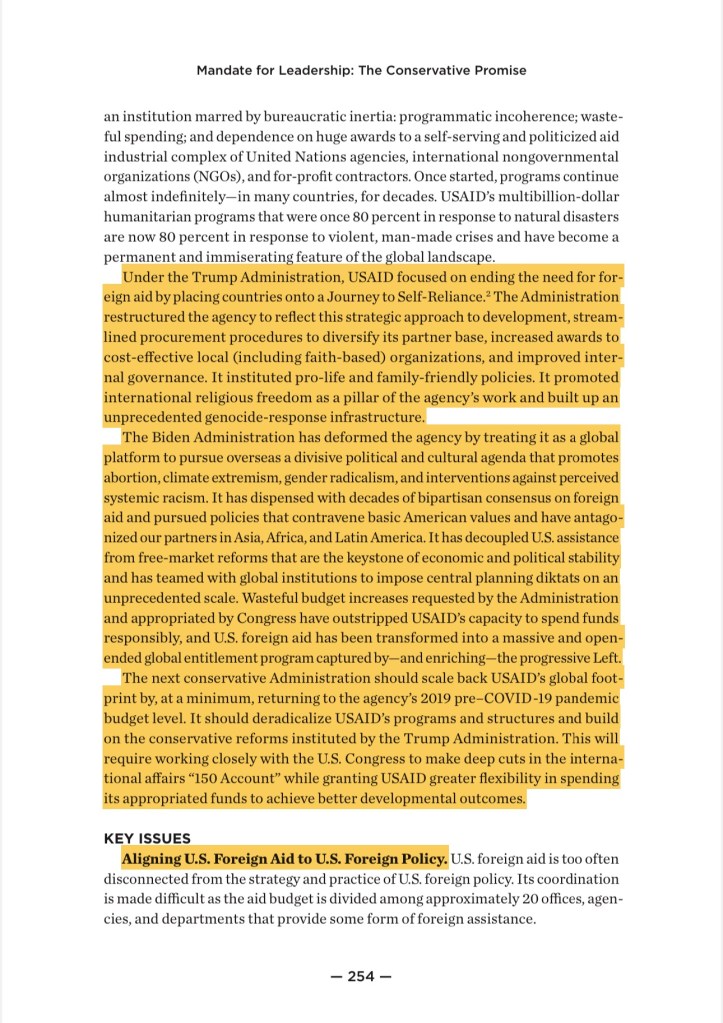
Pentagon Appointee Opposes ‘Belligerent Military Initiatives’ Aimed at China

The Pentagon official tasked with overseeing U.S. defense policy toward Southeast Asia recently advised against pursuing hawkish defense policies and a major trade war against China, a marked contrast with top Trump appointees.

John Andrew Byers, a longtime history professor who oversaw the Charles Koch philanthropic network’s grants promoting libertarian foreign policy stances at universities, was sworn in this week as the deputy assistant secretary of defense for South and Southeast Asia — a role that immediately thrusts him to the center of America’s response to China’s ongoing military pressure campaign targeting the Philippines, with which Washington holds a mutual defense treaty.

Pentagon Appointee Opposes ‘Belligerent Military Initiatives’ Aimed at China

Related:

Lowy Institute: Trump’s grand bargain? The Philippines caught between US and China by Richard Heydarian

CGS non-resident fellow Andrew Byers co-authors article with The American Conservative

Deputy Assistant Secretary of Defense for South and Southeast Asia: Andrew Byers

Chinese Military Might vs Washington’s Asymmetrical Tools of Empire

YouTube

China continues to strengthen its military capabilities, combining rapid growth in conventional power with readiness to counter U.S. asymmetrical strategies.

Chinese Military Might vs Washington’s Asymmetrical Tools of Empire (archived)

Previously:

US proxy groups capture Rakhine State in Myanmar

US Greenland-Panama Ambitions Aimed at War with Russia-China

Hot spots where war may break out or escalate in 2025: Balochistan

Don’t Deify Jimmy Carter

Jimmy Carter, out of office, had the courage to call out the “abominable oppression and persecution” and “strict segregation” of Palestinians in the West Bank and Gaza in his 2006 book “Palestine: Peace Not Apartheid.” He dedicated himself to monitoring elections, including his controversial defense of the 2006 election of Hugo Chavez in Venezuela, and championed human rights around the globe. He lambasted the American political process as an “oligarchy” in which “unlimited political bribery” created “a complete subversion of our political system as a payoff to major contributors.”

Don’t Deify Jimmy Carter

The Soviet Union was asked by the Democratic Republic of Afghanistan to intervene to help fight against the Afghan mujahideen that the US was arming: Soviet-Afghan War

Carter, Charter 77, and Solidarność (Solidarity):

Read More »