RAND and SeaLight Part 3b: Four Ways China Is Growing Its Media Influence in Southeast Asia

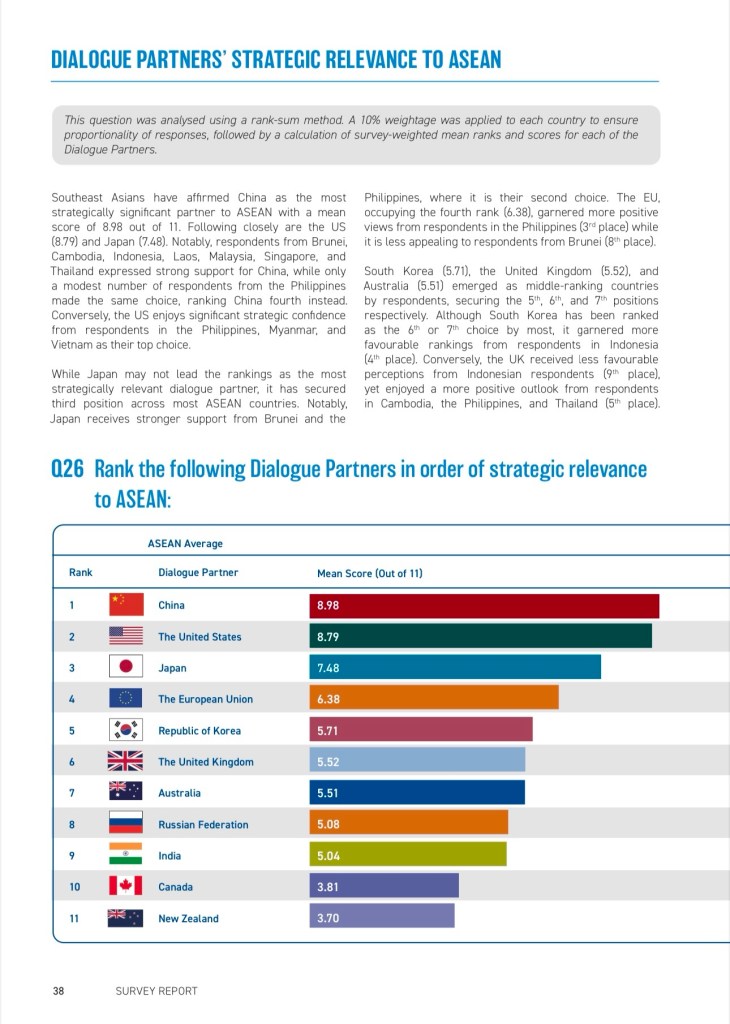
05-10-2022: Four Ways China Is Growing Its Media Influence in Southeast Asia

China’s most straightforward method of media outreach is directly broadcasting or publishing its state media content in target ASEAN countries. Xinhua, China’s official state media agency, has print bureaus in every Southeast Asian country. TV news channels CCTV-4 and the English-language CGTN likewise operate in nearly every country in the region, while China Radio International airs multilingual content in Vietnam, Laos, Cambodia, Thailand, and Myanmar. Xinhua is a ministry-level agency directly under the State Council, while the other media organizations all operate under the Chinese Communist Party Publicity Department. 

Read More »

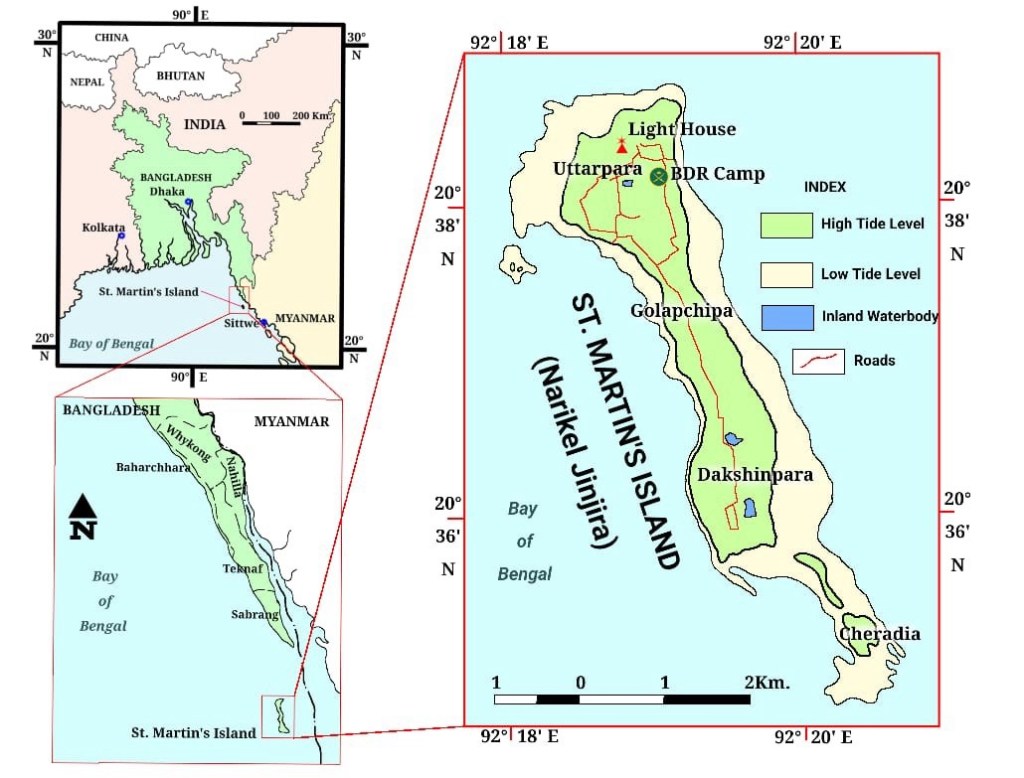
India is losing Bangladesh to China and Pakistan, and it could get worse

India is losing Bangladesh to China and Pakistan, and it could get worse

Source: St. Martin’s Island: A new flashpoint in the Bay of Bengal?Observer Research Foundation

by Derek J GrossmanRAND

Beijing has further sought to develop numerous Bangladeshi ports, including Chittagong, Mongla, and Sonadia ports, to achieve a maritime presence in the Bay of Bengal. Enhanced access to any or all of these ports could substantially add to Beijing’s “string of pearls” strategy to hem in India in the Indian Ocean.

Read More »

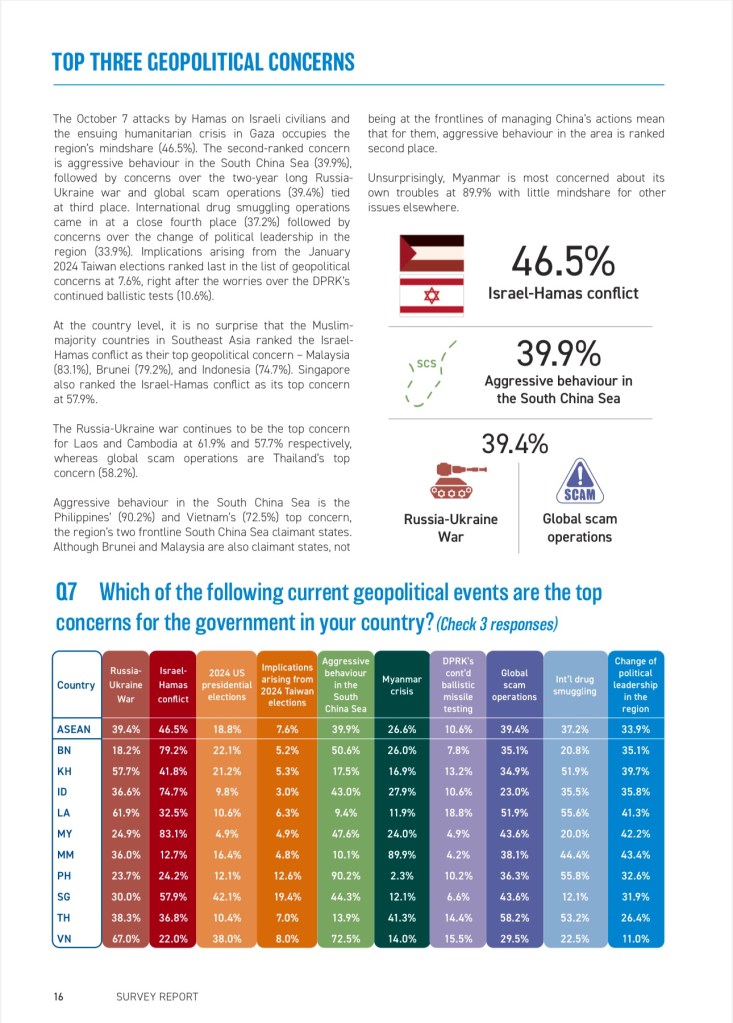
South China Sea: US troop aid may reassure Philippines but will prod China, analysts say

Has anyone realized that by disclosing the existence of “US Task Force Ayungin,” Biden admin implicitly recognized Philippines’ sovereignty over a disputed SCS feature?

Washington has never taken a position on SCS territories(but it has in ECS). This is a clear signal to China.*

Derek J. Grossman, RAND

South China Sea: US troop aid may reassure Philippines but will prod China, analysts say (archived)

The Philippines has said the US task force only offered support – in the form of intelligence and surveillance – and did not directly take part in its resupply missions to BRP Sierra Madre, the retired warship, but analysts suggested that China’s leadership could see it in a different light.

Zheng said the revelation about the American task force meant the US was likely to be more engaged in the drawn-out maritime conflicts in the region, even suggesting that Washington would “be the first to take part in the command and planning of Philippine maritime activities”.

Ding Duo, deputy director of the Centre for Oceans Law and Policy at the National Institute for South China Sea Studies in Hainan, said the presence of a special task force showed that Washington and Manila had long cooperated on resupply operations to Second Thomas Shoal.

“Such support emboldens the Philippines and is not conducive to China and the Philippines managing their differences,” Ding said. “The US involvement has also squeezed the political space for internal coordination and decision-making within the Philippines.”

He said it was also possible that American troops could be on Philippine ships and involved in front-line action “using a covert or concealed identity to participate in Philippine maritime operations” in future.

He said the US could “only intervene [in South China Sea disputes] in a covert manner and so it took the form of a task force”.

Related:

Read More »

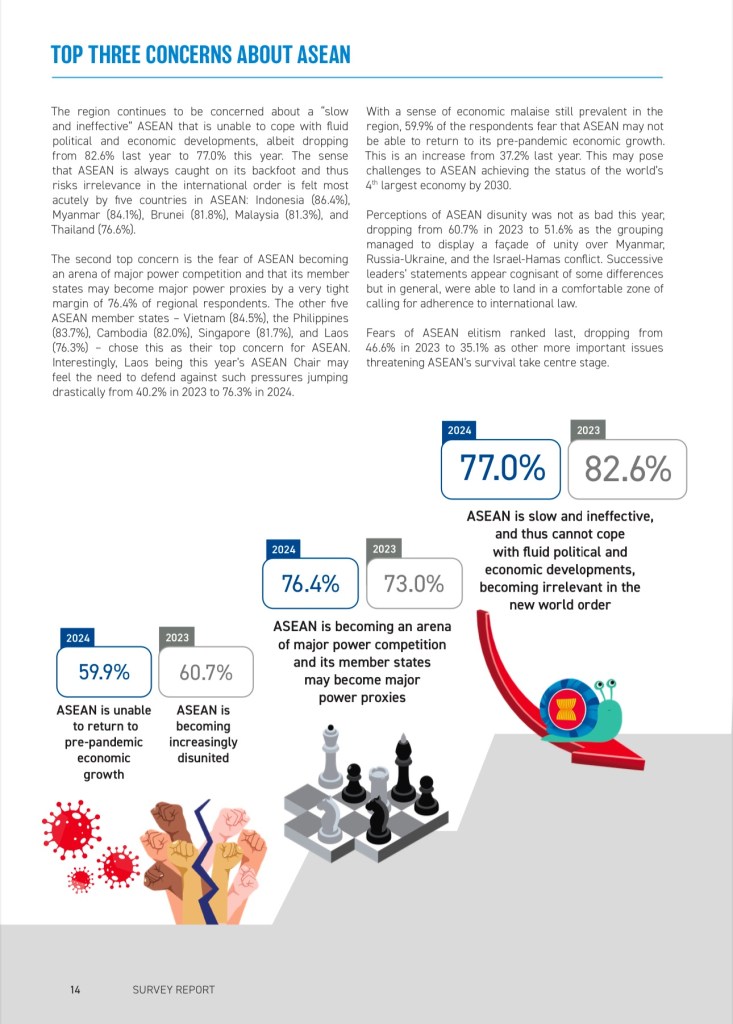
New U.S. strategy towards ASEAN: caution, info-colonialism! (See commentary and notes)

The implementation of yet another U.S. initiative may allow it to interfere in the information policy of ASEAN and control the cyberspace of all of Southeast Asia.

New U.S. strategy towards ASEAN: caution, info-colonialism!

Related:

This reminds me of the tech camps that were held in Ukraine before the Euromaidan. Anyone who has been following me for a while knows where that led to. Except, replace China with Russia.

Read More »