
Going to war? Good news! The United States is 13 years behind in ammunition production, NYT reports
Related:
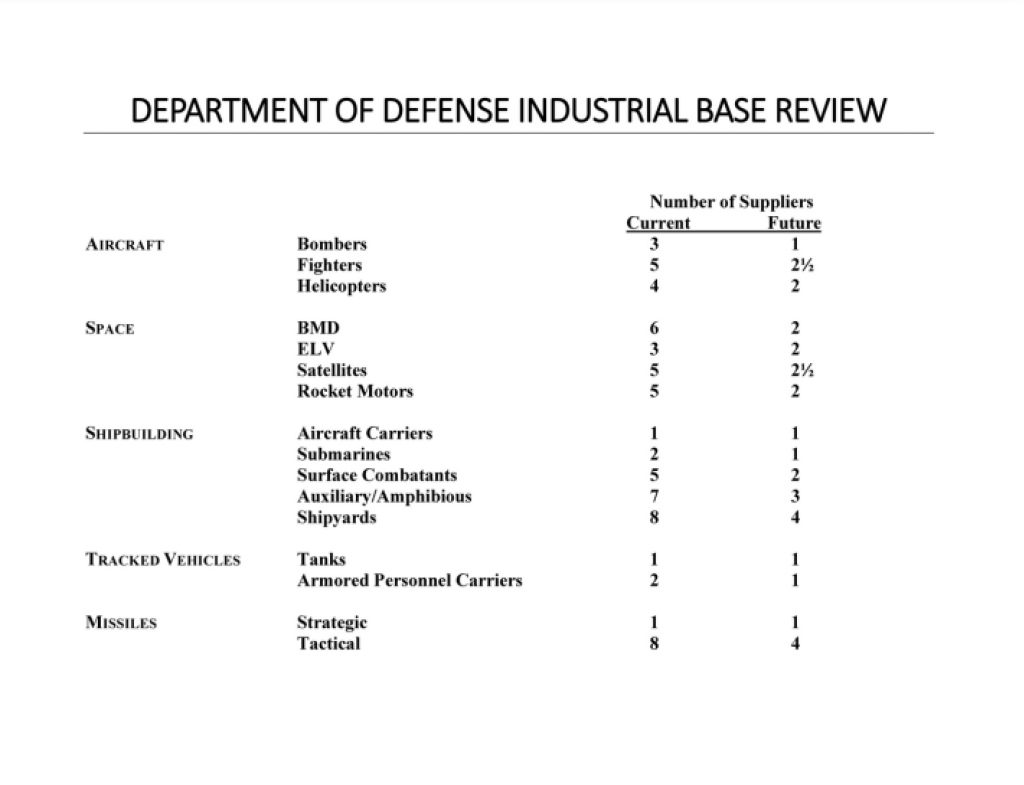
The military must set realistic requirements for munitions stockpiles based on the certainty of the high rates of expenditures that will be experienced in any future conflict with Russia or China.
Pink Flamingo: The U.S. Military Will Pay for Its Munition Shortage
Imagine that!? With all of the handouts to the military industrial complex, they didn’t have enough 💰 to make munitions for the National Defense Stockpile?! I call 💩!
Whoops, the U.S. Sent So Many Missiles to Ukraine That It Depleted Its Own Stockpiles
The United States, Poland, and Estonia have sent Javelins to Ukraine, weapons that all three countries will eventually need to replace. The Javelin missile, first issued in the mid-1990s, is still in production. To replenish those stockpiles, Lockheed Martin is set to ramp up production of the Javelin from 2,100 a year to 4,000 missiles a year. Although that sounds like a lot of missiles, it would still take two years at that rate just to backfill America’s Javelin inventory. The company will also require additional time to set up the supply chain to provide parts for the missiles, no small feat considering the global shortage of semiconductors, which the Javelin’s guidance system is reliant upon.
Another lag in the schedule is a lengthy delivery time, which is currently 32 months— meaning missiles are delivered 32 months after the missiles are ordered. Unless this is shortened by boosting production, it will take nearly three years for the first new missiles to get to troops in the field.
Related:
Production Of In-Demand Javelin Missiles Set To Almost Double:
One potential pitfall in the ability to rapidly ramp up production of Javelins has been the availability of microchips and semiconductors, provided through subcontractors, mainly in Asia. Each missile contains upward of 200 of these components.
…
Although the Pentagon has said it’s “actively negotiating” a new Stinger contract, manufacturer Raytheon has admitted that shortages of parts and materials could mean that it’s not able to actually produce these new missiles until 2023 or later. The DoD hasn’t bought new Stingers in many years and is now looking to replace it with a new missile, but that doesn’t help in the near term with diminishing stockpiles.
The CEO of Raytheon Technologies told investors Tuesday that the company won’t be able to ramp up production of Stinger missiles until 2023, due to a lack of parts and materials for the weapons that Western allies have rushed to Ukraine.
Thousands of Stinger anti-aircraft missiles have been pulled from stocks across Europe and the United States and sent to Ukraine, but as yet there is no solid plan to replenish the stocks for the countries that donated them.
Raytheon chief warns of delays in replenishing Stinger missile stocks
Ukraine war is depleting America’s arsenal of democracy

America is following an “arsenal of democracy” strategy in Ukraine: It has avoided direct intervention against the Russian invaders, while working with allies and partners to provide the Kyiv government with money and guns. That strategy, reminiscent of U.S. support for Britain in 1940-41, has worked wonders. Yet as the war reaches a critical stage, with the Russians preparing to consolidate their grip on eastern Ukraine, the arsenal of democracy is being depleted.
That could cause a fatal shortfall for Ukrainian forces in this conflict, and it is revealing American weaknesses that could be laid bare in the next great-power fight.
…
Pentagon officials say that Kyiv is blowing through a week’s worth of deliveries of antitank munitions every day. It is also running short of usable aircraft as Russian airstrikes and combat losses take their toll. Ammunition has become scarce in Mariupol and other areas.
…
Germany has declined to transfer tanks to Ukraine on grounds that it simply cannot spare them. Canada quickly ran short on rocket launchers and other equipment that the Ukrainians desperately need. The U.S. has provided one-third of its overall stockpile of Javelin anti-tank missiles. It cannot easily deliver more without leaving its own armories badly depleted — and it may take months or years to significantly ramp up production.
…
For the same reason, the war in Ukraine is a sobering preview of the problems the U.S. itself would face in a conflict against Russia or China. If forced to go to war in Eastern Europe or the Western Pacific, Washington would spend down its stockpiles of missiles, precision-guided munitions and other critical capabilities in days or weeks. It would probably suffer severe losses of tanks, planes, ships and other assets that are sophisticated, costly and hard to replace.
…
American economic leadership is no longer based primarily on manufacturing. Shortages of machine tools, skilled labor and spare production capacity could slow a wartime rearmament effort. The U.S. can’t quickly scale up production of Stinger missiles for Ukraine, for example, because the workforce needed to do so no longer exists.
The only way to move Moscow from its disastrous policy, in the 1980s and today, has been to bleed it. Ratchet up the cost to the Russian people, economically, politically, and, yes, in body bags holding Russian troops (not civilians). In addition to sanctions and other measures the Biden administration has enacted, we need to increase the pain to Moscow on the ground by stepping up economic warfare, psychological operations, and robust covert military support to the Ukrainian insurgency.
 Ms. Cat’s Chronicles
You must be logged in to post a comment.