
Former FDA chief: Ultraprocessed foods are ‘addictive’ like drugs
Related:
What the top doctor did to stop eating junk (archived)
Read More »The US Food and Drug Administration on Dec. 19 issued its final rule to update its nutrient content claim “healthy” that manufacturers may use voluntarily on food packages. The rule marked the first major change to the claim since the FDA introduced it in 1994. Changes included limits on added sugars, which were not mentioned in the 1994 rule, and limits on saturated fat based on food groups.
Related:
The difference between added sugars, natural sugars and artificial sweeteners
Added sugars include the sweeteners that you’re adding to drinks, like tea and coffee, as well as those that manufacturers add to food. When you think of added sugars, you’re probably thinking about foods like cookies, ice cream and soda, but sugars are added to about 75% of packaged foods [ultra-processed foods], whether those foods are sweet or not. Foods like bread, whole grain cereals, plant-based milk (such as oat milk), granola bars, yogurts, soups, salad dressings and other condiments often contain sneaky amounts of added sugars. At first glance, these amounts may not seem like much, but over the course of a day, they can easily put you over the recommended limit for added sugars.
Walk down the grocery aisle with me and let’s check out the organic snack bars. Will any of them be made with real ingredients that you’d find in your own kitchen? Or will they be filled with added “flavors”, emulsifiers, and processed sweeteners?
Organic snack bars are full of processed ingredients (Is there a healthy snack bar brand?)
The bridge collapse Tuesday that shut the Port of Baltimore and closed a major highway will cause weeks or months of transportation disruptions in the Mid-Atlantic region and accelerate a shift of cargo to the US West Coast as importers and exporters try to avoid potential bottlenecks at trade gateways from Boston to Miami.
Baltimore Bridge Fallout to Extend Coast-to-Coast in Cargo Shift
World Court orders Venezuela to refrain from action in border dispute with Guyana
Friday’s ruling is the latest development in the larger border dispute. The ICJ said in April it had jurisdiction over the case, but a final ruling could be years away.
Interestingly, Judge Joan Donoghue used to work for the US State Department. 🤔
Related:
Control Ciudadano (Social Watch – CC) Chairwoman Rocío San Miguel said Guyanese President Irfaan Alí’s recent statements regarding the military support of several countries to defend the Essequibo amounted to a “very strong warning for Venezuela,” which will hold a referendum on the matter on Dec. 3.
NGO warns Essequibo question might end up in war between Venezuela and Guyana
Rocío San Miguel is Venezuelan Opposition.
Related:
US Defense officials to visit Guyana amid Venezuela row: Guyanese VP
Both nations claim the 160,000-square-kilometer (62,000-square-mile) region, in a dispute that has intensified since ExxonMobil discovered oil there in 2015.
Another major discovery in Essequibo in October added further to Guyana’s reserves, making them greater than those of Kuwait or the United Arab Emirates.
US Escalates Essequibo Dispute by Militarizing Guyana
Venezuela: Maduro Warns of ExxonMobil Interference Ahead of ‘Historical’ Essequibo Strip Vote
For historical context: The Secret Agenda Behind the Venezuela-Guyana Conflict
Why did the US want Hawaii? With even a glance at its sensual beaches and lush jungles, it’s no surprise that the scenic islands have always been desirable. But as with any story of settlement, the development of Hawaii didn’t come about as peacefully or honorably as its sumptuous vistas would have you believe. For American lawyer and entrepreneur Sanford Ballard Dole, Hawaii was a gold mine — or at least a pineapple one — and he used his government influence and self-appointed position in Hawaii to push the US toward taking over the islands in the late 1890s.
The Insane Story Of How A Fruit Juice Company Forcefully Stole The Hawaiian Kingdom
Related:
In history classes (in public or private schools, colleges, and others), state propaganda, and mainstream history, a historical fiction has been spun that allegedly debunks any notion of noninterventionism. This is the myth of American isolationism.
The US Followed a Policy of Foreign Intervention Long before World War II
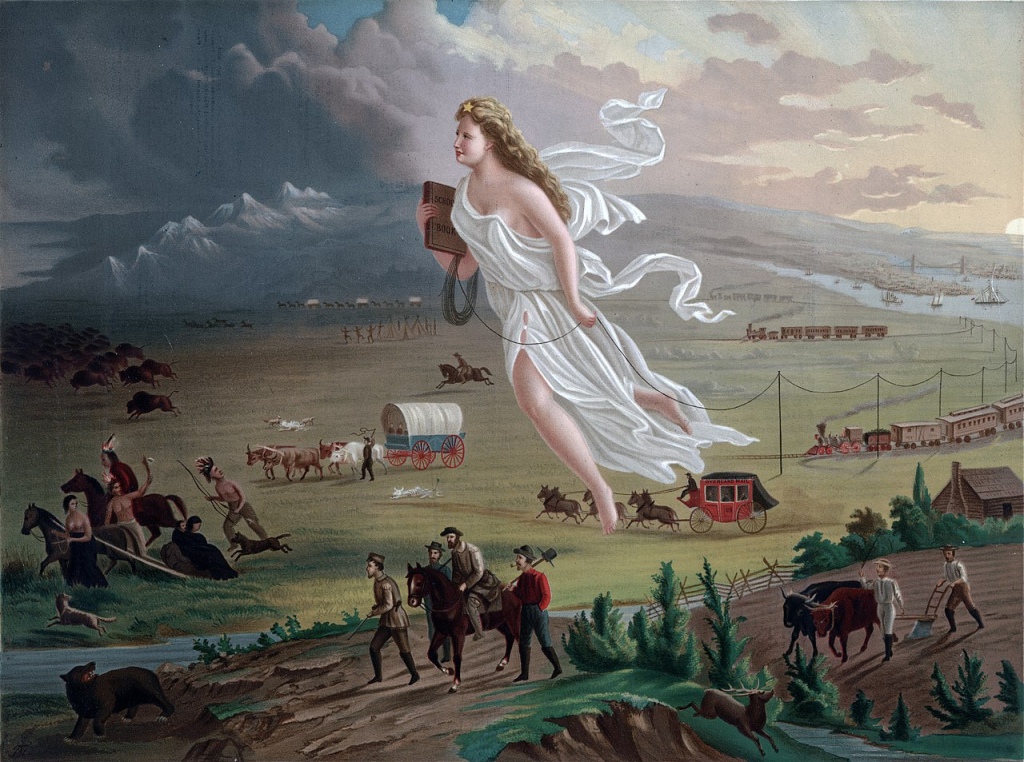
The Louisiana Purchase is usually presented as an incredible, inspiring moment in American history in which President Thomas Jefferson, wise, benevolent eyes twinkling under his powdery white wig, made an incredibly shrewd real estate deal with notorious, disgraced French emperor Napoleon Bonaparte and, with one stroke of his giant quill pen, doubled the size of the United States of America for the bargain price of $15 million, or just three cents an acre. What we don’t usually learn about is the negative domino effect this treaty had in terms of inspiring the concept of manifest destiny or the belief that white colonists had a God-given duty to expand across North America and redeem and remake the land in their own image.
The Messed Up Truth About The Louisiana Purchase
 Ms. Cat’s Chronicles
You must be logged in to post a comment.