
NATO and Google Cloud Sign Multi-Million Dollar Deal for AI-Enabled Sovereign Cloud
Related:
Huawei unveils its latest Mate 60 Pro smartphone powered by a 7nm processor, completely designed and manufactured in China
US Sanctions to Cripple Chinese Innovation Backfires
Related:
Chinese AI groups use cloud services to evade US chip export controls (all anonymous sources)
China’s SMIC Allegedly Violated U.S. Sanctions Selling Chips to Huawei
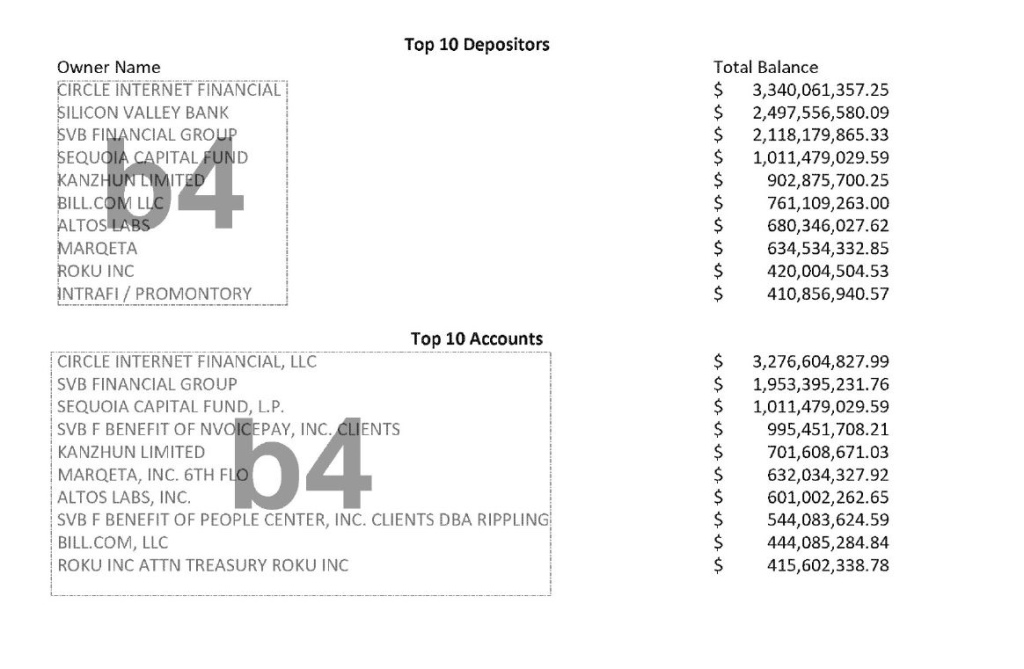
(Bloomberg) — When federal regulators stepped in to backstop all of Silicon Valley Bank’s deposits, they saved thousands of small tech startups and prevented what could have been a catastrophic blow to a sector that relied heavily on the lender.
Big VC, Tech Got Backstop for Billions in Uninsured SVB Deposits (archived)
from the the-1st-amendment-still-matters dept
Freedom of speech and association include the right to choose one’s communication technologies. Politicians shouldn’t be able to tell you what to say, where to say it, or who to say it to.
The US Government Has Not Justified A TikTok Ban

And, that wasn’t just in the US. Twitter was among the most vocal companies pushing back on foreign governments and their demands for information or their demands to censor people. Just as one example, in India, the government demanded that Twitter remove users critical of the government, and Twitter fought back, even as the government threatened to jail Twitter employees. And when India passed a law to give the government more control over internet censorship, Twitter sued the Indian government. In fact, this lawsuit was something that Elon Musk complained about, suggesting that he’s way more willing to go along with government demands. Indeed, Musk also praised the EU’s new Digital Services Act, which is a highly censorial bill that demands all sorts of content takedowns and other censorial actions. Twitter, under [Vijaya] Gadde’s leadership, was one of the most vocal companies in calling out how the Digital Services Act could harm speech online.
Related:
Elon Musk’s plan to turn Twitter into a super app is a step closer now that he owns the platform
Everyone has the right to criticize Musk’s purchase of Twitter and the US government can investigate it if they have a legitimate reason to, but none of that has anything to do with China, which should be left out of this controversy.
The New York Times Is Wrong: China Has No Leverage Over Twitter
Propaganda:
Elon Musk’s business ties to China draw scrutiny after Twitter purchase
My commentary: They conveniently omit Musk’s contracts with the US government. Also, I’ve already debunked the Xinjiang issue and the Hong Kong protests weren’t about ‘democracy.’
Enes Kanter’s comments cause blackout of Celtics games in China
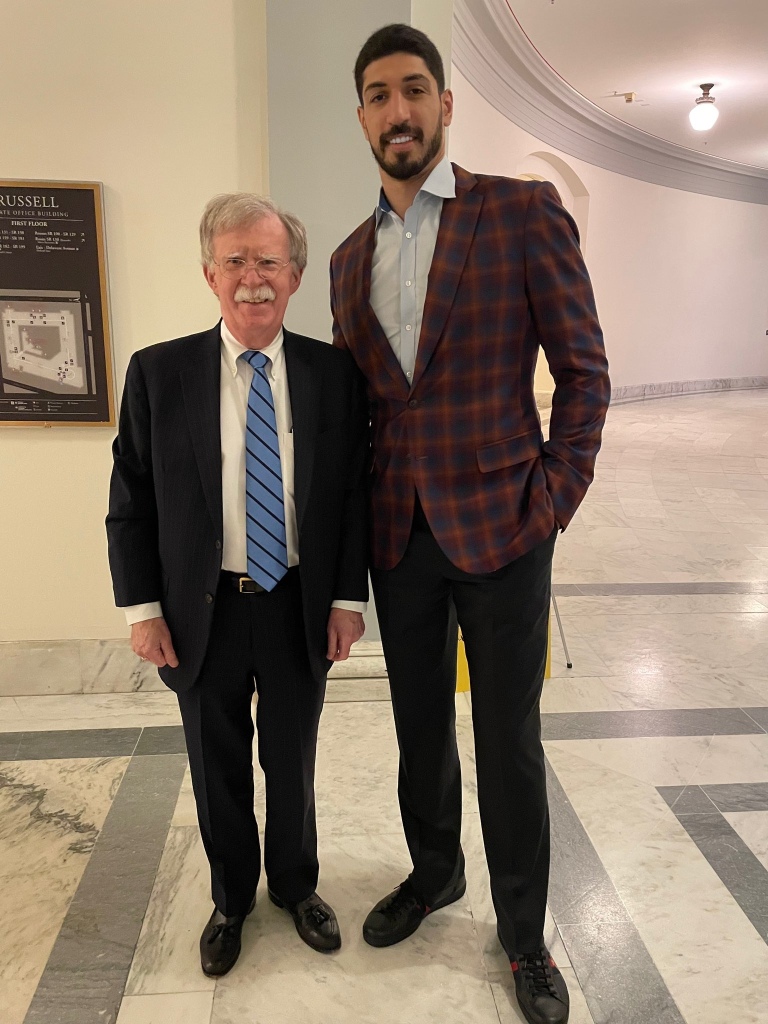
Enes Kanter’s mentor is Fethullah Gülen.
Read More »Donald Trump signs order banning transactions with 8 Chinese apps, including Alipay
On a call with reporters shortly after the order was announced, senior administration officials declined to offer any specific evidence tying the blacklisted entities with alleged efforts by the Chinese government to obtain users’ personal data.
“The executive order is based on risk,” said one senior administration official, citing the large user base and high download numbers of the targeted applications. “We’re talking tens of millions of devices.”
 Ms. Cat’s Chronicles
You must be logged in to post a comment.