
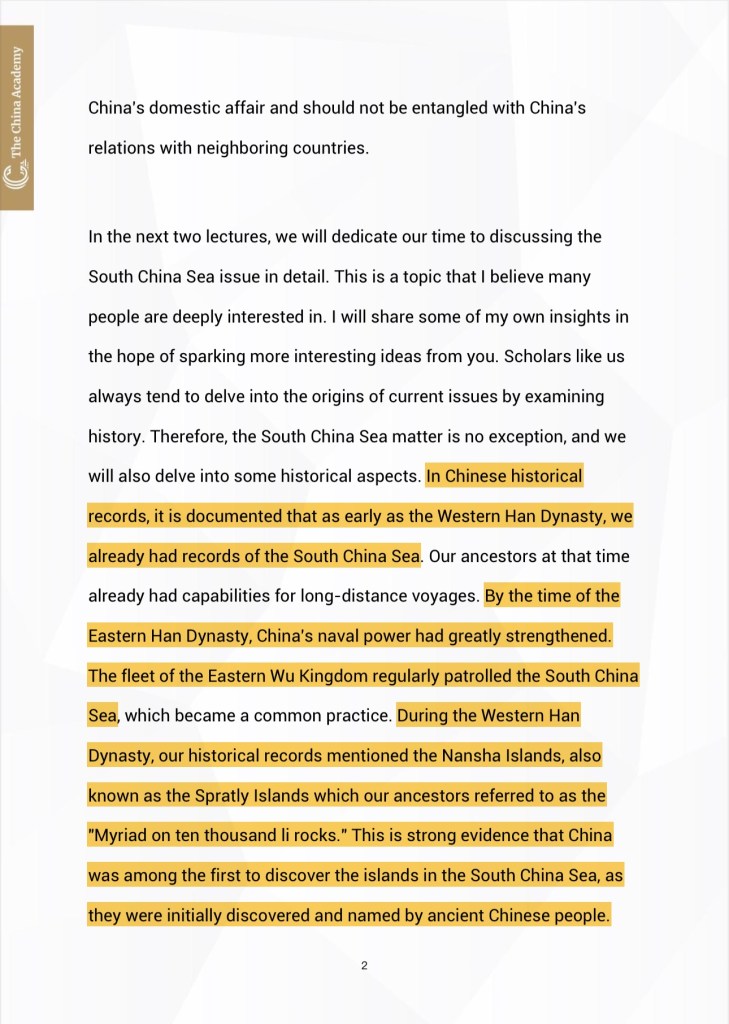
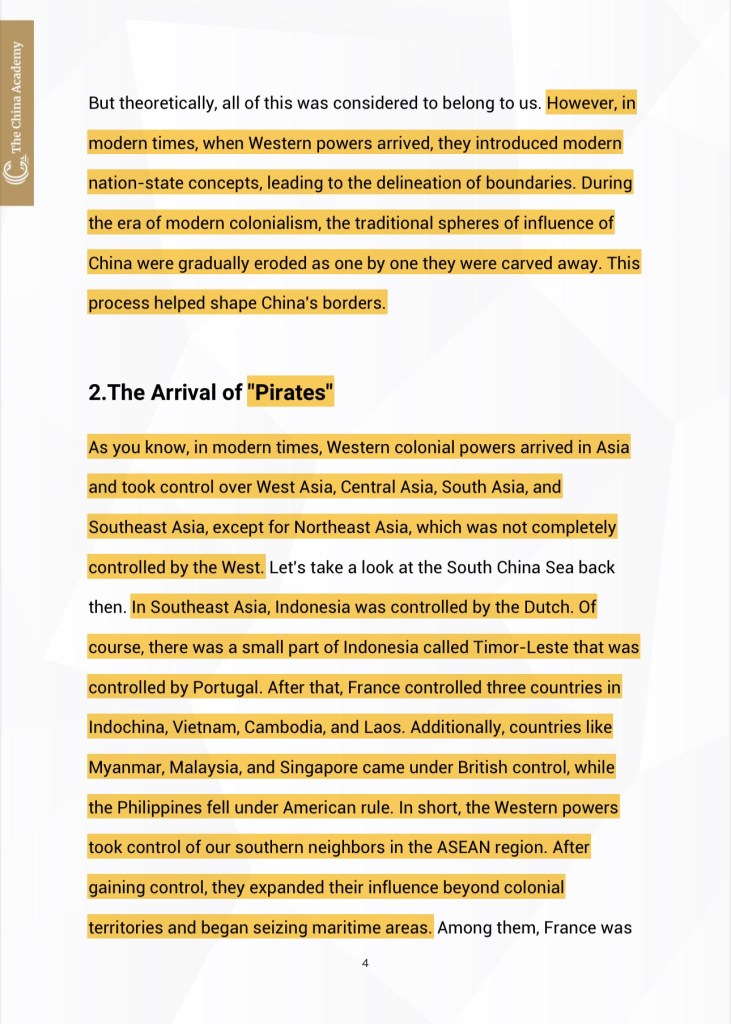
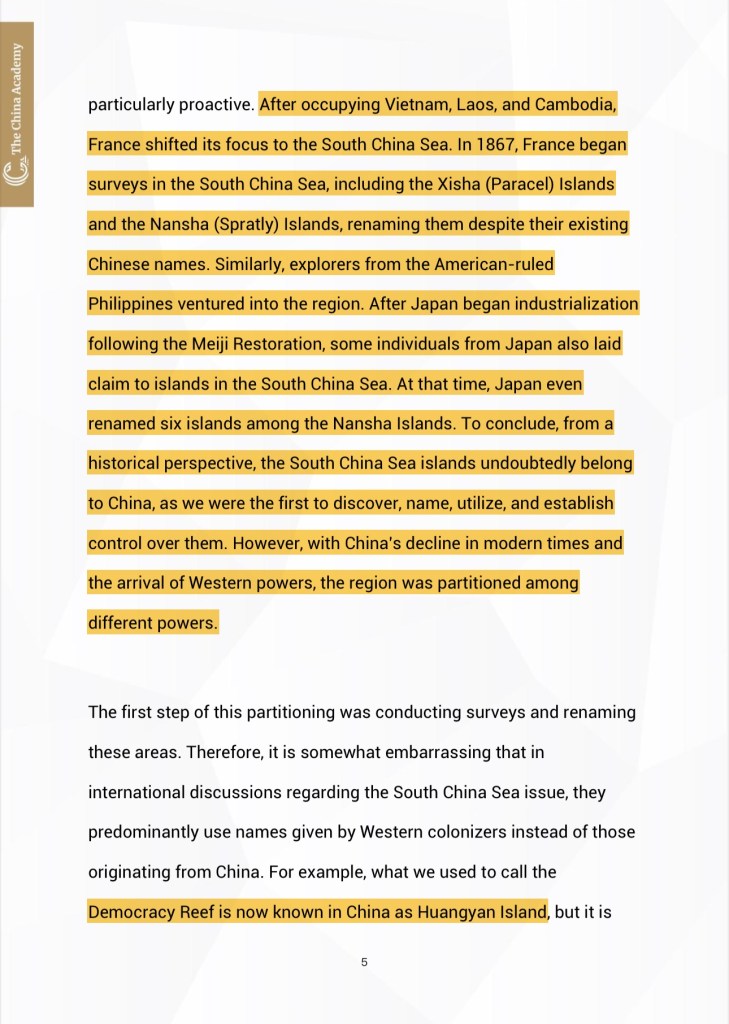
Has the South China Sea been part of China “since antiquity”



Philippine President Ferdinand Marcos Jr. said his nation won’t deploy Navy warships to the South China Sea in response to recent clashes with Beijing in disputed waters.
Marcos Says Philippines Won’t Send Warships After China Clashes
Previously:
Philippines to match China’s gray zone tactics in South China Sea
What’s Really Going On In the South China Sea Between the Philippines and China
New laws specifying Manila’s claims have also angered smaller countries such as Malaysia, which could hamper unified resistance to China’s attempts at regional dominance.
Related:
What’s Really Going On In the South China Sea Between the Philippines and China
Read More »What’s Really Going On In the South China Sea Between the Philippines and China
by Tina Antonis
Maritime clashes between the Philippines and China had been mostly over the Philippines’ military outpost, BRP (BRP—Barko ng Republika ng Pilipinas, which translates to “Ship of the Republic of the Philippines”—the ship prefix for the Philippines) Sierra Madre, in the Spratly Islands, which is disputed by Brunei, China, Malaysia, the Philippines, Taiwan (a province of China, as recognized by the United Nations’ Resolution No. 2758), and Vietnam. The BRP Sierra Madre was intentionally run aground on a reef near the Second Thomas Shoal in the disputed Spratly Islands, in 1997, so that the Philippines could stake their territorial claim.
Read More »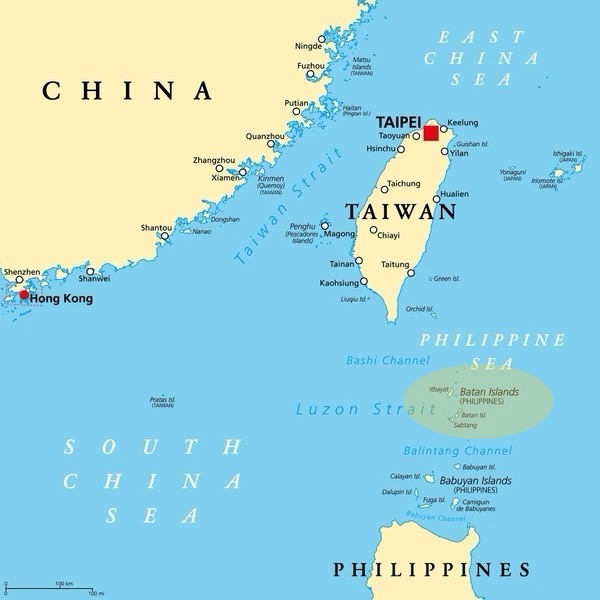

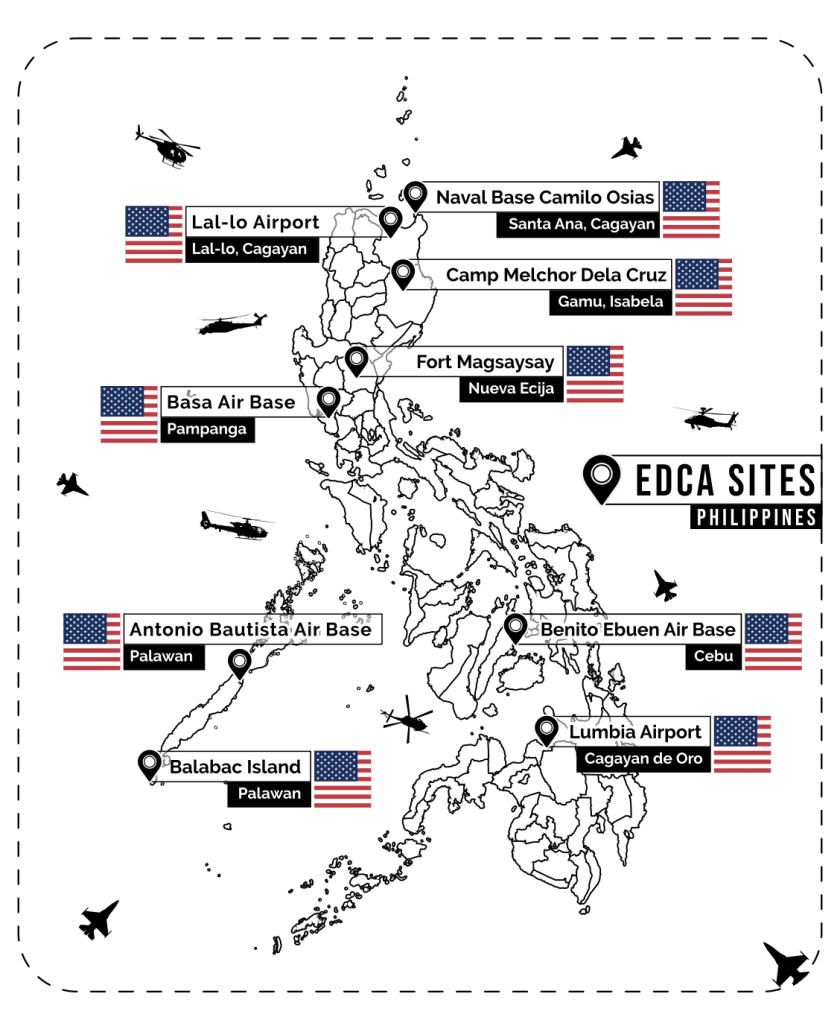
The outright re-establishment of US military bases in the country and its relentless and escalating war games on land, sea, and air are flagrant manifestations of US imperialist domination of the Philippines. This further tightens the grip of US imperialism on the Philippine neocolonial state, especially on the puppet Armed Forces of the Philippines (AFP).
(Primer) A Decade of EDCA: US military bases and its expanding war games in the Philippines
Has anyone realized that by disclosing the existence of “US Task Force Ayungin,” Biden admin implicitly recognized Philippines’ sovereignty over a disputed SCS feature?
Washington has never taken a position on SCS territories(but it has in ECS). This is a clear signal to China.*
South China Sea: US troop aid may reassure Philippines but will prod China, analysts say (archived)
The Philippines has said the US task force only offered support – in the form of intelligence and surveillance – and did not directly take part in its resupply missions to BRP Sierra Madre, the retired warship, but analysts suggested that China’s leadership could see it in a different light.
…
Zheng said the revelation about the American task force meant the US was likely to be more engaged in the drawn-out maritime conflicts in the region, even suggesting that Washington would “be the first to take part in the command and planning of Philippine maritime activities”.
…
Ding Duo, deputy director of the Centre for Oceans Law and Policy at the National Institute for South China Sea Studies in Hainan, said the presence of a special task force showed that Washington and Manila had long cooperated on resupply operations to Second Thomas Shoal.
…
“Such support emboldens the Philippines and is not conducive to China and the Philippines managing their differences,” Ding said. “The US involvement has also squeezed the political space for internal coordination and decision-making within the Philippines.”
…
He said it was also possible that American troops could be on Philippine ships and involved in front-line action “using a covert or concealed identity to participate in Philippine maritime operations” in future.
He said the US could “only intervene [in South China Sea disputes] in a covert manner and so it took the form of a task force”.
Related:
Read More »Philippine President Ferdinand Marcos Jr. has appointed a new Navy chief (Rear Admiral Jose Ma. Ambrosio Ezpeleta) amid tensions in the South China Sea, which include a number of maritime drills which are perceived as provocations by Beijing. One such military exercise earlier this month, for instance, included drills to simulate seizing an island in the disputed South China Sea. Last month Manila held military exercises in the same Sea together with Canada, Japan, and the United States, as part of Exercise Sama Sama 2024. The Philippines are also officially expanding their maritime claims. These developments are all connected.
Philippines’ Aggressive Territorial Claims In South China Sea: A New Threat to Regional Stability (archived)
Related:
What’s Really Going On In the South China Sea Between the Philippines and China

Read it at Antiwar.com or here with graphics. FYI, the “Ant” in Antonis is pronounced as 🐜.
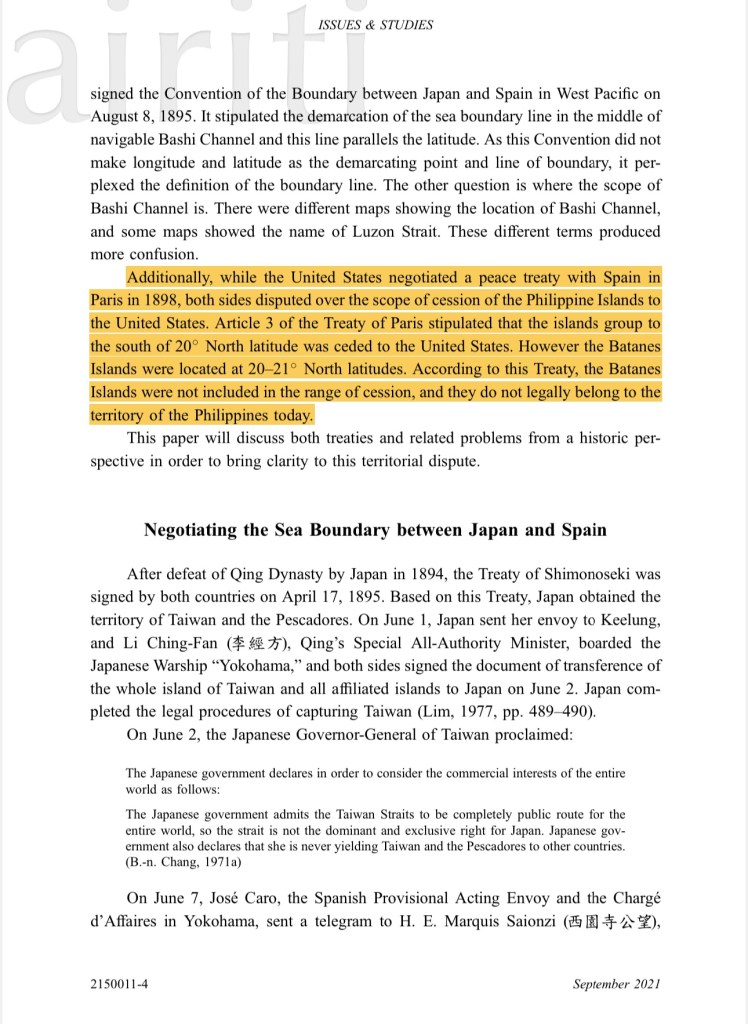

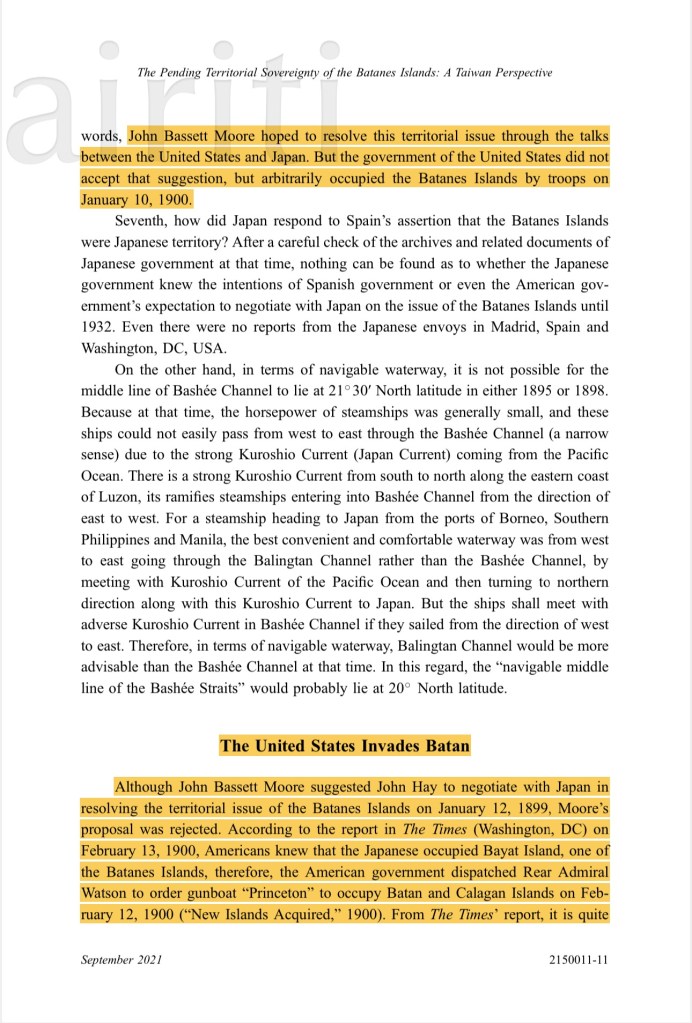

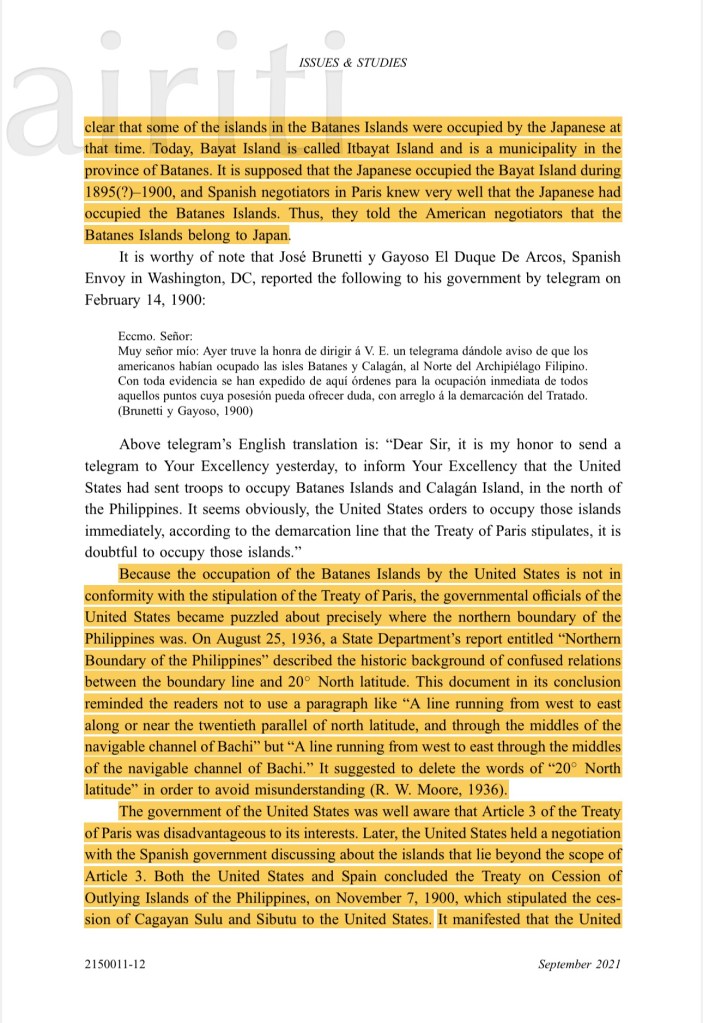
 Ms. Cat’s Chronicles
You must be logged in to post a comment.