
‘I actively support a boycott,’ doctor says in response to Arkansas anti-BDS law
US: Jewish doctor refuses pledge to not boycott Israel, doesn’t get paid
Tag: Texas
The Messed Up Truth About The Louisiana Purchase
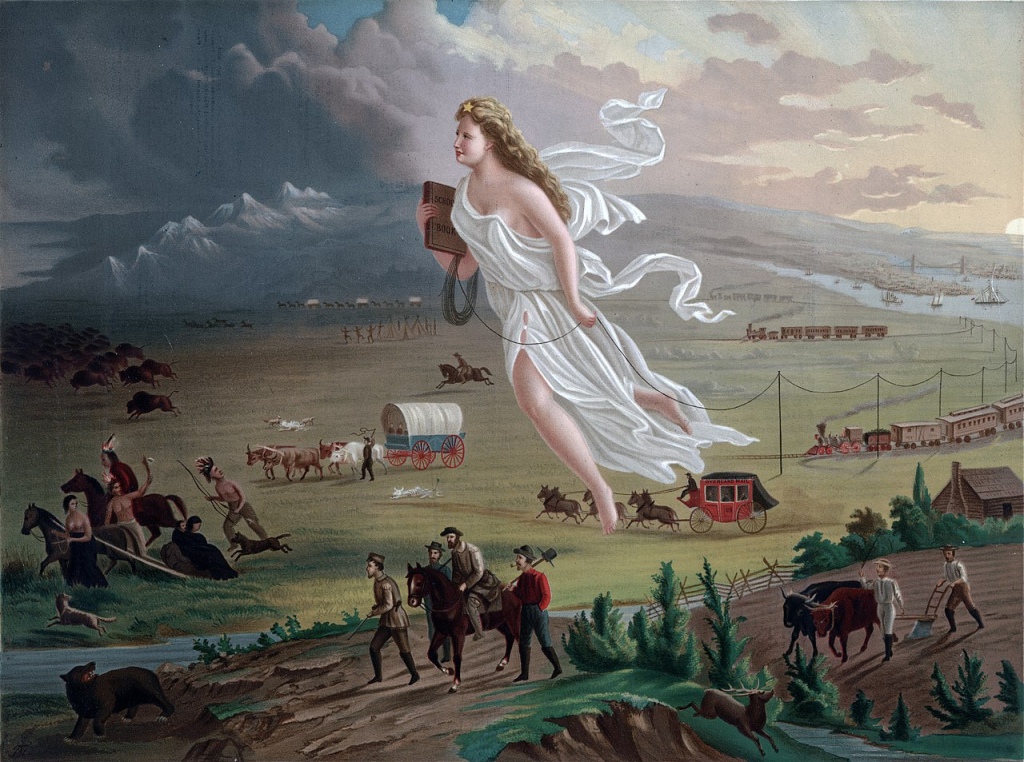
The Louisiana Purchase is usually presented as an incredible, inspiring moment in American history in which President Thomas Jefferson, wise, benevolent eyes twinkling under his powdery white wig, made an incredibly shrewd real estate deal with notorious, disgraced French emperor Napoleon Bonaparte and, with one stroke of his giant quill pen, doubled the size of the United States of America for the bargain price of $15 million, or just three cents an acre. What we don’t usually learn about is the negative domino effect this treaty had in terms of inspiring the concept of manifest destiny or the belief that white colonists had a God-given duty to expand across North America and redeem and remake the land in their own image.
The Messed Up Truth About The Louisiana Purchase
Missouri trans ‘snitch form’ down after people spammed it with the ‘Bee Movie’ script
A Missouri government tip site for submitting complaints and concerns about gender-affirming care is down after people flooded it with fanfiction, rambling anecdotes and the “Bee Movie” script.
Missouri trans ‘snitch form’ down after people spammed it with the ‘Bee Movie’ script
Texas GOP Bill Would Ban Students From China and 3 Other Countries From All Public Universities
Texas Republican lawmakers are under fire for a bill that would ban students from China and three other countries from all public colleges and universities in the state, with many calling the measure racist and xenophobic.
Texas GOP Bill Would Ban Students From China and 3 Other Countries From All Public Universities
H/T: Cyrus Janssen
US could carry out its first military execution in over 60 years
A former soldier on military death row for the 2009 shooting rampage at Fort Hood, Texas, could face execution after the nation’s top military court hears the case.
US could carry out its first military execution in over 60 years
Asian Americans are anxious about hate crimes. TikTok ban rhetoric isn’t helping
Ellen Min doesn’t go to the grocery store anymore. She avoids bars and going out to eat with her friends; festivals and community events are out, too. This year, she opted not to take her kids to the local St. Patrick’s Day parade.
Asian Americans are anxious about hate crimes. TikTok ban rhetoric isn’t helping
America’s $52 Billion Plan to Make Chips at Home Faces a Labor Shortage + manufacturing chips in the US could make smartphones more expensive
America’s $52 Billion Plan to Make Chips at Home Faces a Labor Shortage
Another possible fix would be to keep people in the workforce longer, by raising the age at which workers can begin collecting Social Security or tapping into their pensions or 401(k)s. Yet Harry Holzer, a former US Department of Labor chief economist now at Georgetown University, says that neither feels politically feasible right now. Immigration has been a toxic issue in American politics for years, and Social Security has long been an untouchable entitlement. “None of that is doable,” Holzer says, which means “our labor force growth is going to continue to be modest.”
Related:
How manufacturing chips in the US could make smartphones more expensive
Morcos says a top concern of his is the narrowness of the CHIPS Act. Without bringing related device manufacturing back to the U.S., such as device batteries, sensors, cameras, antennas, and hundreds of other components, the manufacturing process could require the most critical component to be produced stateside, then shipped overseas to be assembled with hundreds of other components into a device that is then shipped back to the U.S. for the American consumer.
Work longer, for less pay, and you still won’t be able to afford the latest smartphone or laptop?! 🤷🏼♀️
No, China Isn’t Gobbling Up America’s Farms

Fears over Chinese purchases of US cropland are vastly overblown. Lawmakers should slow down before imposing damaging new restrictions.
No, China Isn’t Gobbling Up America’s Farms
Related:


Bill Gates: America’s Top Farmland Owner
Bill Gates Finally Explains Why He’s Buying So Much U.S. Farmland
I’m more worried about ‘Farmer Bill’, who claims that he owns “less than 1/4000 of the farmland”.
What is the National ‘Day of Hate?’ Police warn Jewish communities to be vigilant this weekend
What is the National ‘Day of Hate?’ Police warn Jewish communities to be vigilant this weekend
According to the Counter Extreme Project (CEP), an international policy organization that tracks extremist groups, several neo-Nazi groups have been sharing plans for the day through Telegram posts. They identified the National Socialist Movement as one of the organizers.
Several extremist groups have said they are participating in the event, including the Goyim Defense League, whose leader, Jon Eugene Minadeo II [Handsome Truth] recently moved to Florida from California, according to the ADL.
…
Plans circulated online within various extremist groups call for flyer distributions, banner drops, protests and graffiti, according to the ADL.
Related:
I see the Biden Administration adopting the IHRA definition of antisemitism, soon! I hope that I’m wrong!
Read More »Biden’s Latest PEU Nomination

President Biden nominated yet another private equity underwriter (PEU) to a major position. Reuters reported:
Biden’s Latest PEU Nomination
 Ms. Cat’s Chronicles
You must be logged in to post a comment.