
From War Doctrine to Psychedelic Therapy: How Revolutionary Theory Was Dissolved into Mysticism
Read More »Tag: The Asia Foundation
US Sows Chaos Across Asia as it Aims for China
The United States is escalating its confrontation with China under the guise of “deterring aggression,” while in reality reorienting its global strategy toward maintaining hegemony over Asia through destabilization, political manipulation, and military buildup.
US Sows Chaos Across Asia as it Aims for China
PH: 3-day rally set to push for impeach trial start
3-day rally set to push for impeach trial start
Militant groups, civil society organizations, and members of religious congregations will mount a three-day major rally and vigil from June 9 (Monday) to June 11, (Wednesday) to call on the Senate to proceed with the impeachment trial of Vice President Sara Duterte.
Read More »
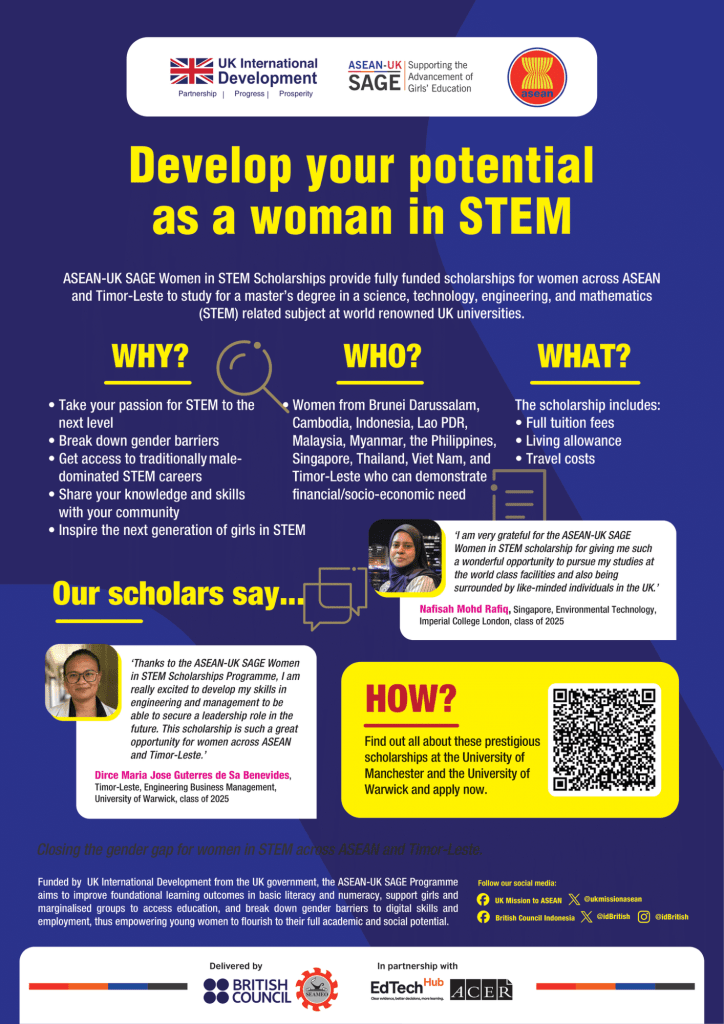
Soft Power: U.K. & Quad STEM Scholarships
Democrats join Republicans in passing fascistic “Crucial Communism Teaching Act” + More

Updates for the Bangladesh document
Battle for soul of Bangladesh far from over
One of the most pressing issues facing Yunus’ interim government is the restoration of law and order. Since the uprising, the police — once a tool of state terror under Hasina — have largely disappeared from the streets fearing violent retribution from the public. Police stations have been set ablaze, and in their absence, student-led groups have taken up roles in maintaining local order. In a country where state violence was once the norm, the people’s reliance on these grassroots organisations rather than formal law enforcement is a telling indicator of the deep mistrust in state institutions, although, over the span of two months, we have also witnessed that dynamic of trust taking on significant concessions and alterations in the questions of nationalism, the phantom of separatist movements and the security discourse enveloping the Chittagong Hill Tracts [CHT].
…
Perhaps above all else, the Chittagong Hill Tracts have historically been a flashpoint for military-police dynamics, reflecting tensions between the indigenous populations, popular local political parties and civil society members on one side, and Bangladeshi state authorities, the military, and the plainland settlers serving as vanguards of the Bengali-Bangladeshi nationalist project on the other. The military’s sustained and in fact, expanding presence in the CHT, justified as means of ‘maintaining order’, has led to systemic human rights violations and a climate of permanent, pervasive fear, discontent, animosity, and distrust, and for good reason.
As per a report by the Human Rights Support Society, in the month of September alone, 28 were killed in 36 different incidents of mob lynching across Bangladesh, with 14 others injured. Political violence claimed another 16 lives and injured 706. In their report, HRSS refers to a wild-wild-Western state of affairs that is still developing, including factional clashes within the two major political parties, targeted violence against ethnic and religious minorities, attacks on journalists, extrajudicial killings, and worker protests. Overnight, netizens witnessed footage of defenceless Tofazzal and Shamim Mollah, mercilessly beaten to their deaths in the two top public universities.
…
This is especially true when we consider how global neoliberal agendas intersect with local political upheavals. Like the Arab Spring, derailed by counter-intelligence tactics, surveillance capitalism, and imperialist interventions, Bangladesh faces the risk of its uprising being neutralised by the coalescence of state surveillance, corporate interests, and international capital. The convergence of military intelligence, former Awami elites, and foreign backers — including both regional powers and multinational corporations — threatens to undo the revolution’s hard-won gains by appealing to reactionary fears and mobilising mobs against progressive forces.
No criticism of U.S. puppets allowed:
Criticism on Dr Yunus: Magistrate suspended in Bangladesh
Read More »Orban’s Political Longevity: Hatred from EU Bigwigs Makes Him Popular at Home + Who is Orban’s CHALLENGER? A NEW Navalny.
The recent “protests” against Orban in Budapest were a storm in a teacup. Although less than 0.01 percent of Hungary’s population participated, they made the front pages in the mainstream press. What was behind them? Eurocrats’ fear of Orban’s chairmanship at the EU Council of Ministers, which starts in July, and his call for dialogue with Russia.
Orban’s Political Longevity: Hatred from EU Bigwigs Makes Him Popular at Home
I’ll try to look into this more, later.
Read More »Philippines: NED/CIA have been funding Marcos opponents but failed
NED/CIA have been funding Marcos opponents but failed. To answer this, technically all English based media with the exception of Manila Times are funded by the Americans.
NED/CIA have been funding Marcos opponents but failed

GT investigates: Who are the mouthpieces of US-led war of public opinion on “Chinese dams’ threats” along Mekong River
GT investigates: Who are the mouthpieces of US-led war of public opinion on “Chinese dams’ threats” along Mekong River, and what are their typical methods? By Hu Yuwei and Zhao Juecheng Mar 28 2022
US’ politicization of ecological water issues in the Mekong River for the purpose of tarnishing China’s reputation via launching rhetoric battles has become more trendy. The Stimson Center, a US-backed think tank, again bashed China in February for allegedly “holding a massive amount of water” and “might need to be paid to release water for downstream communities afflicted by droughts,” marking the US’ latest efforts to sow discord in the area.
GT investigates: Who are the mouthpieces of US-led war of public opinion on “Chinese dams’ threats” along Mekong River
Related:
Mekong-US Partnership: Promoting Poverty, Driving Sinophobic Hostility
 Ms. Cat’s Chronicles
You must be logged in to post a comment.