
Darwin & Marx – Down House – 25.05.15
Read More »Tag: The German Ideology
The Subjugation of Women Under Capitalism: The Bourgeois Morality

The Militia and the Mole
This whole story seems suspicious to me. The overemphasis that the mole was a loner, that he was a criminal, and legally changed his name, etc.
John Williams kept a backpack filled with everything he’d need to go on the run: three pairs of socks; a few hundred dollars cash; makeshift disguises and lock-picking gear; medical supplies, vitamins and high-calorie energy gels; and thumb drives that each held more than 100 gigabytes of encrypted documents, which he would quickly distribute if he were about to be arrested or killed.
Read More »
How Henry R. Luce and Clare Boothe Luce helped turn America on to LSD + Some Notes

The Time and Life Acid Trip: How Henry R. Luce and Clare Boothe Luce helped turn America on to LSD. (archived)
I accidentally came across this when I was looking into Henry Luce, some more. It doesn’t mention Luce’s ties to the CIA, i.e. Operation Mockingbird. The notes are from another project that I’ve been slowly working on. That one I won’t be publicizing until I’m finished with it.
Related & Notes:
Stephen Siff: Henry Luce’s Strange Trip: Coverage of LSD in Time and Life, 1954-68
Read More »Preface to A Contribution to the Critique of Political Economy

Preface to A Contribution to the Critique of Political Economy
In the social production of their existence, men inevitably enter into definite relations, which are independent of their will, namely relations of production appropriate to a given stage in the development of their material forces of production. The totality of these relations of production constitutes the economic structure of society, the real foundation, on which arises a legal and political superstructure and to which correspond definite forms of social consciousness. The mode of production of material life conditions the general process of social, political and intellectual life. It is not the consciousness of men that determines their existence, but their social existence that determines their consciousness. At a certain stage of development, the material productive forces of society come into conflict with the existing relations of production or – this merely expresses the same thing in legal terms – with the property relations within the framework of which they have operated hitherto. From forms of development of the productive forces these relations turn into their fetters. Then begins an era of social revolution. The changes in the economic foundation lead sooner or later to the transformation of the whole immense superstructure.
Related:
Marxism and Psychological Science
1.1. The General Bases of Marxist Psychology
The teachings of Karl Marx caused a revolution in social sciences: in philosophy, in political economy, in the theory of socialism. As is known, psychology remained isolated from the influence of Marxism for many years. Marxism was not admitted into the official centers of scientific psychology, and the name of Karl Marx remained almost unmentioned in the works of psychologists for more than 50 years after the publication of his basic work.
Related:
China Has Billionaires: Introduction
10.26.2023: Reading Update 2
Didn’t get very far, tonight, but I only have 11% left. It’s almost time to do adult things (ie paying bills).

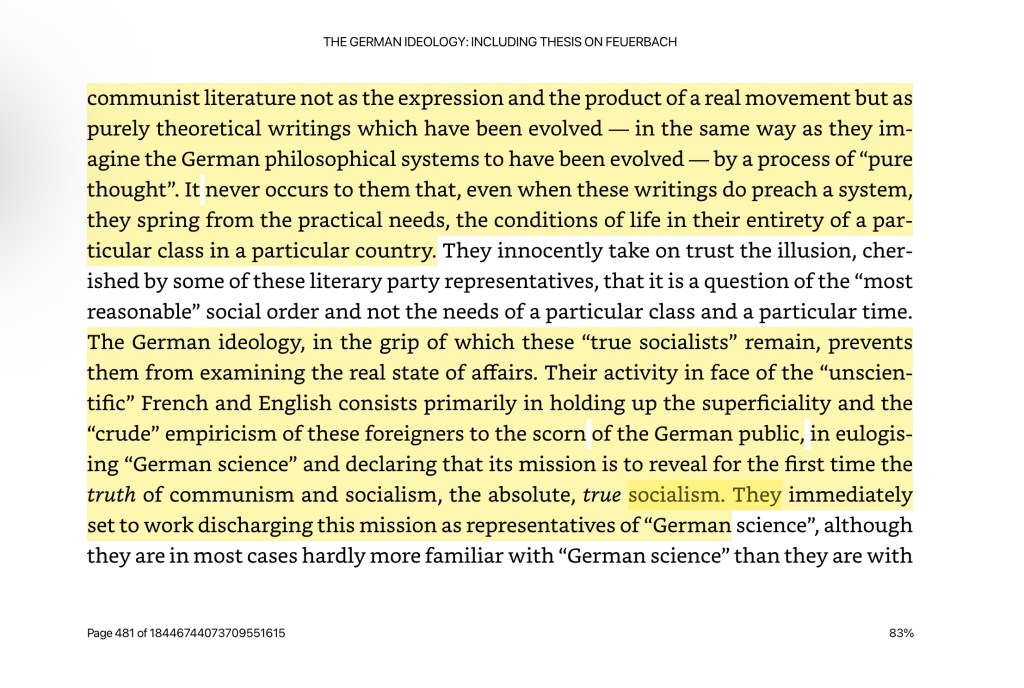
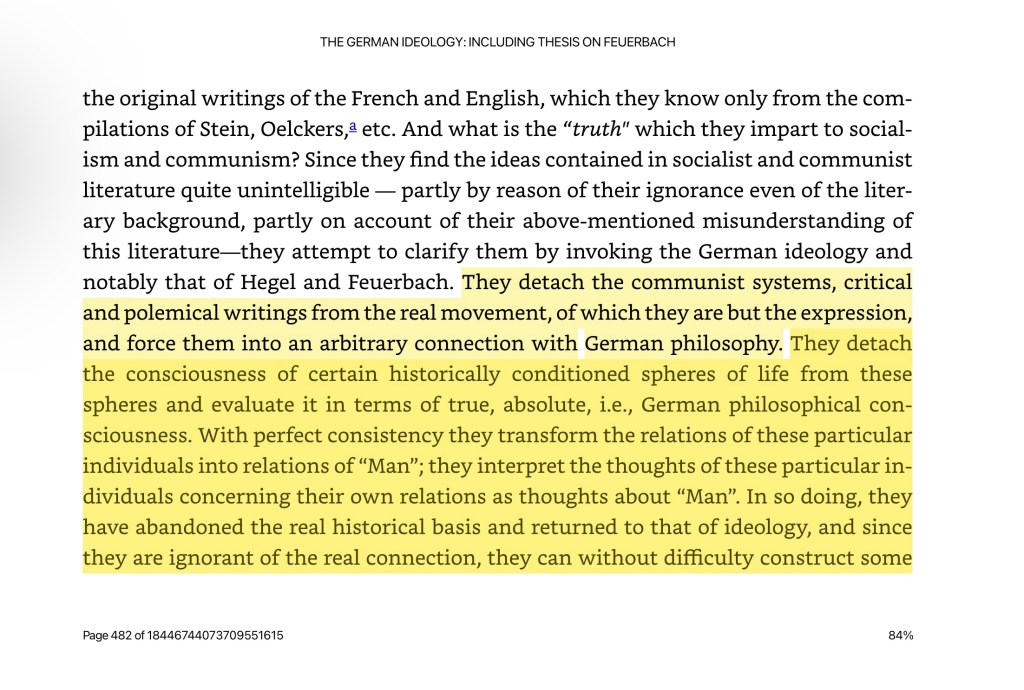


10.26.2023 Reading Update 1
17% left until I’m finished.
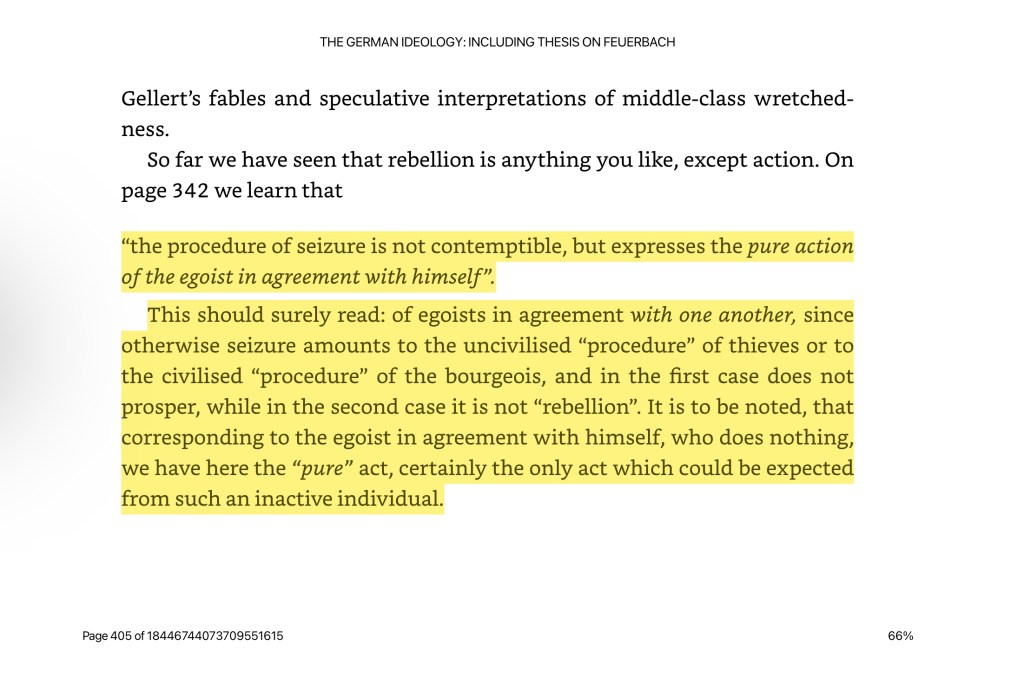
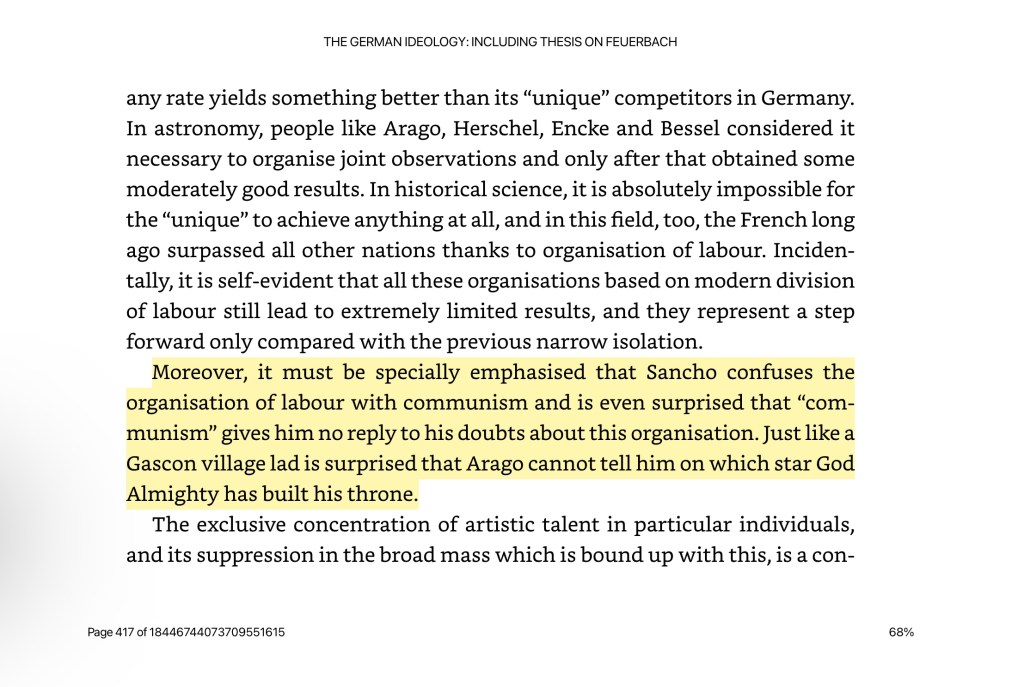
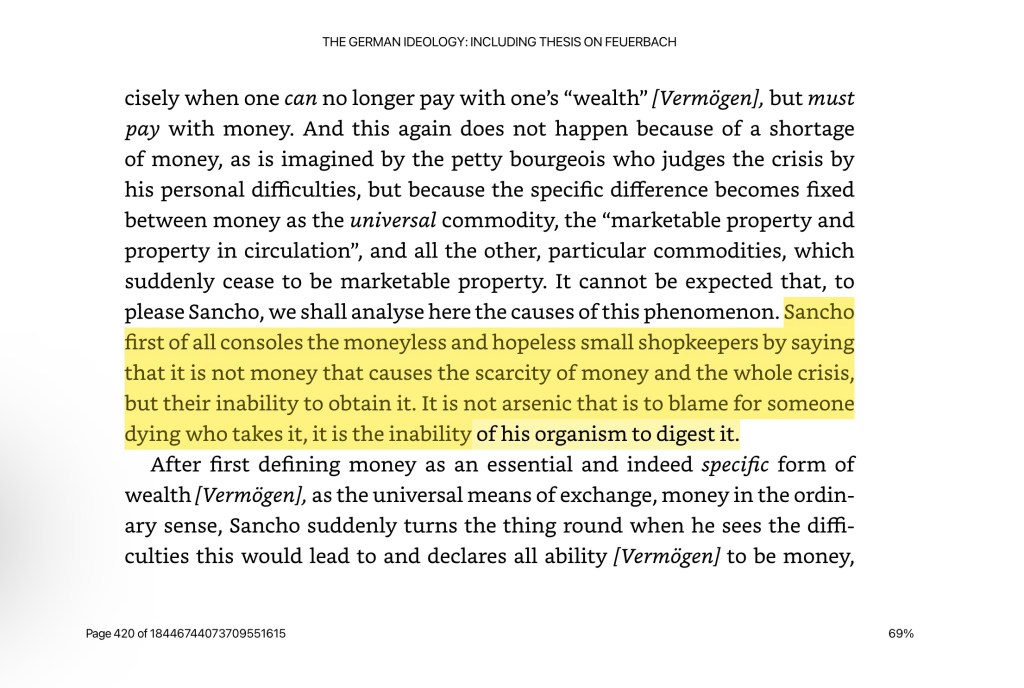
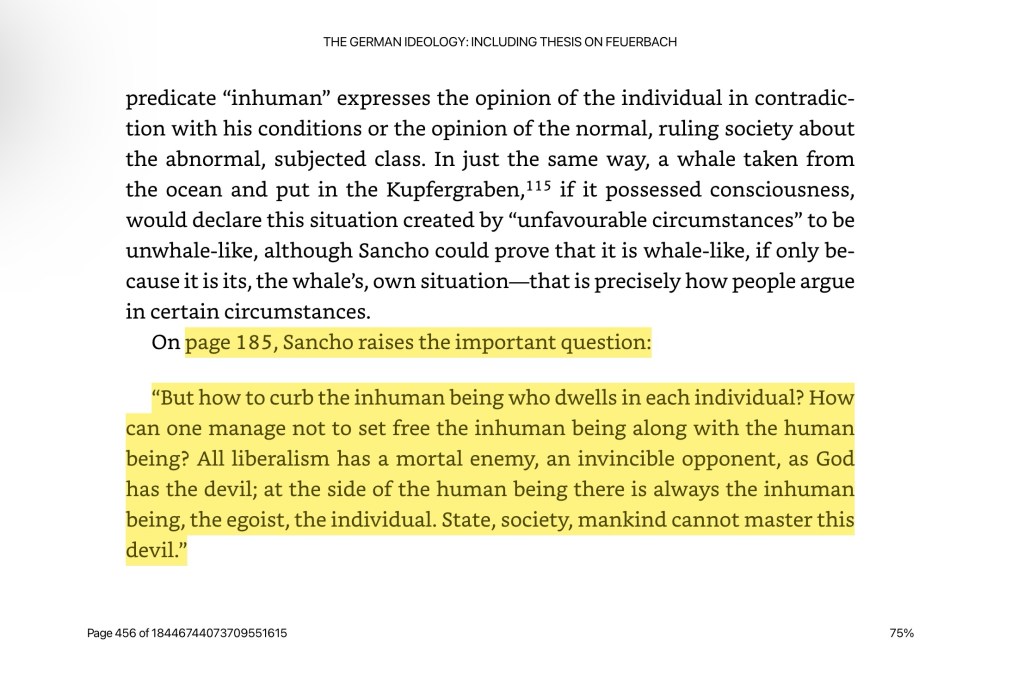
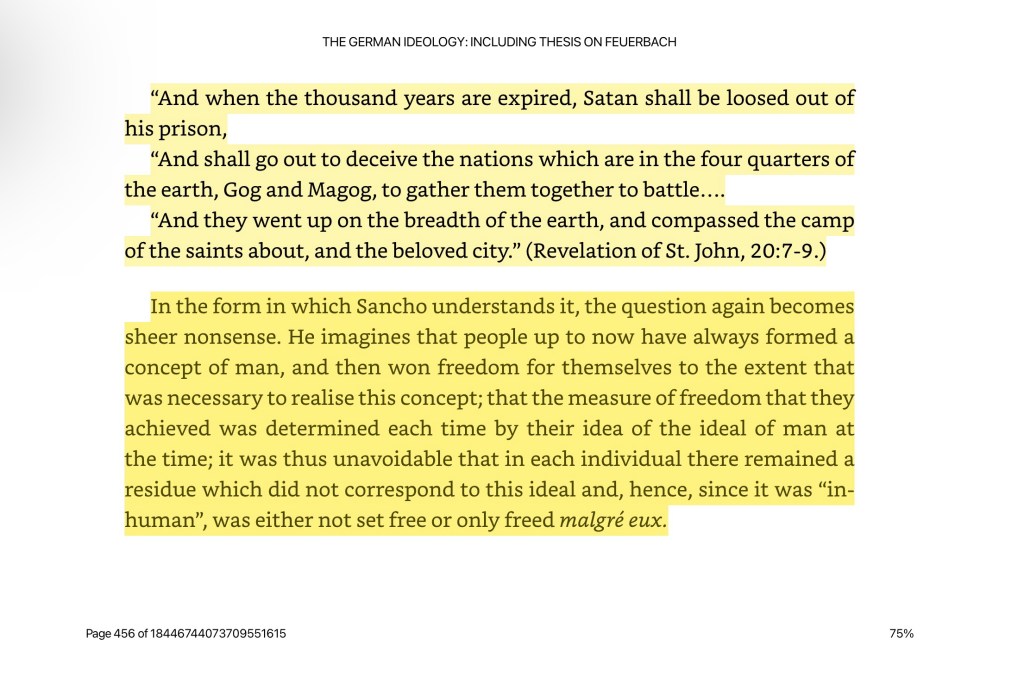
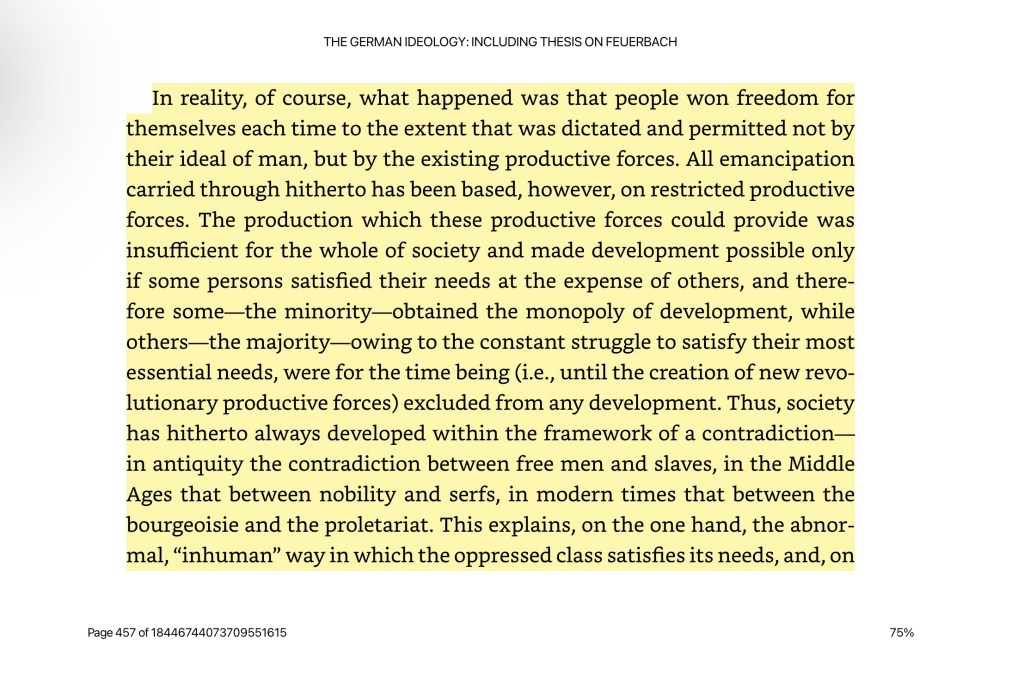
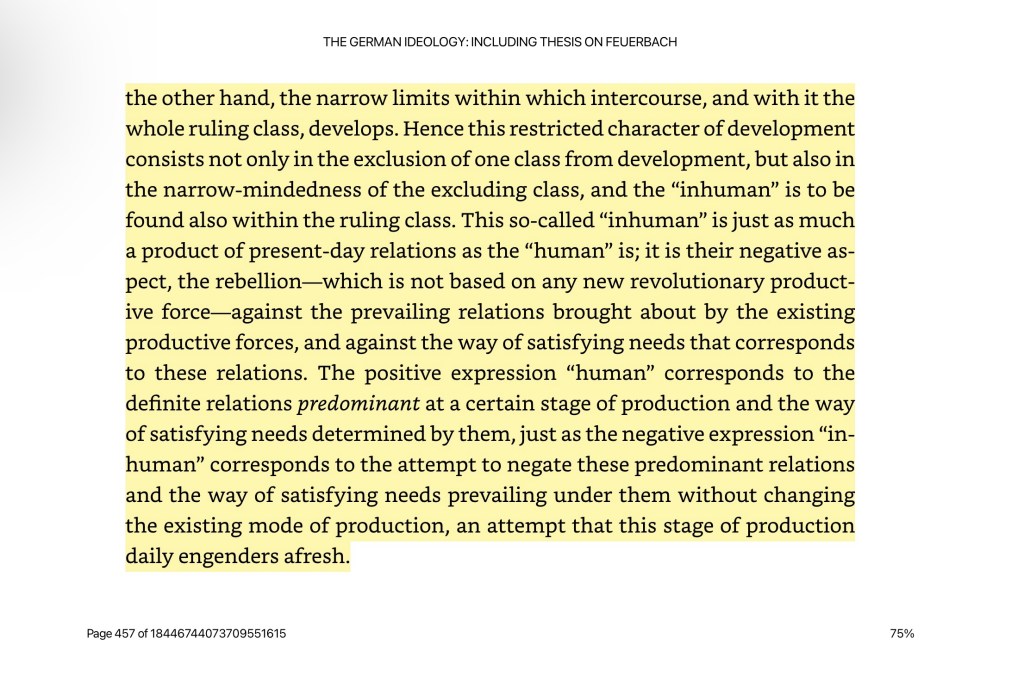
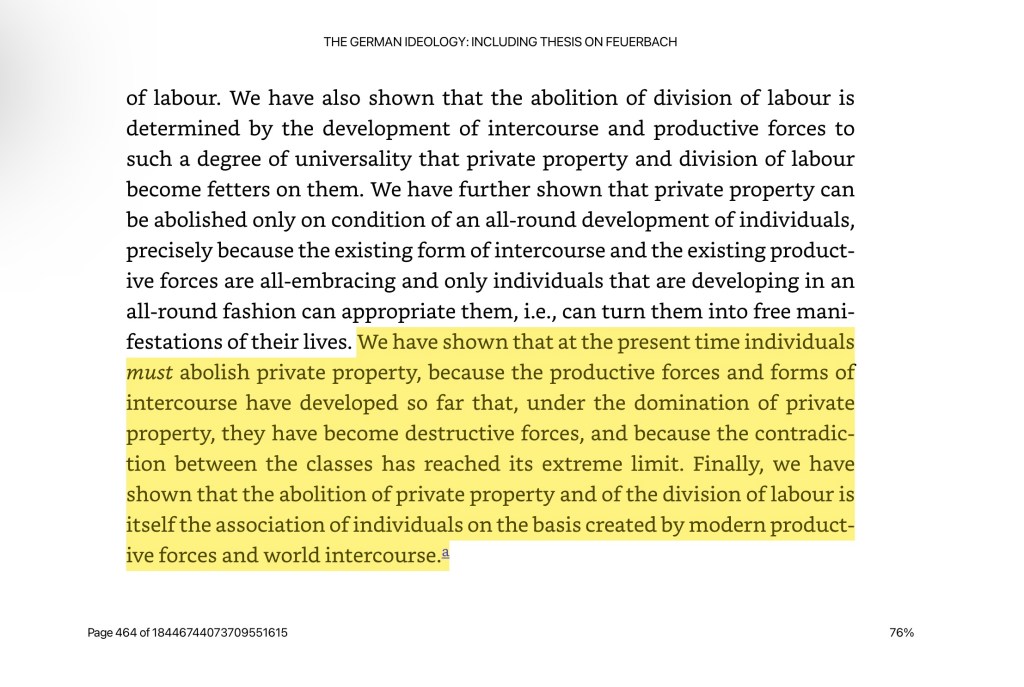
10.24.2023 Reading Update 2
Only got through 4%, tonight. Need some sleep.

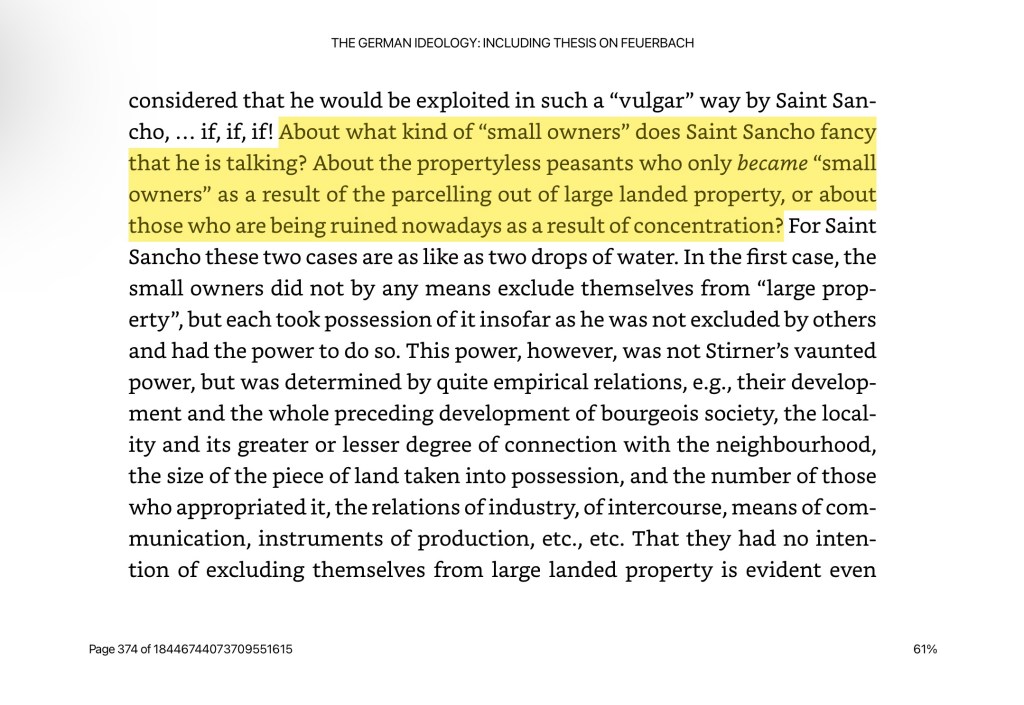
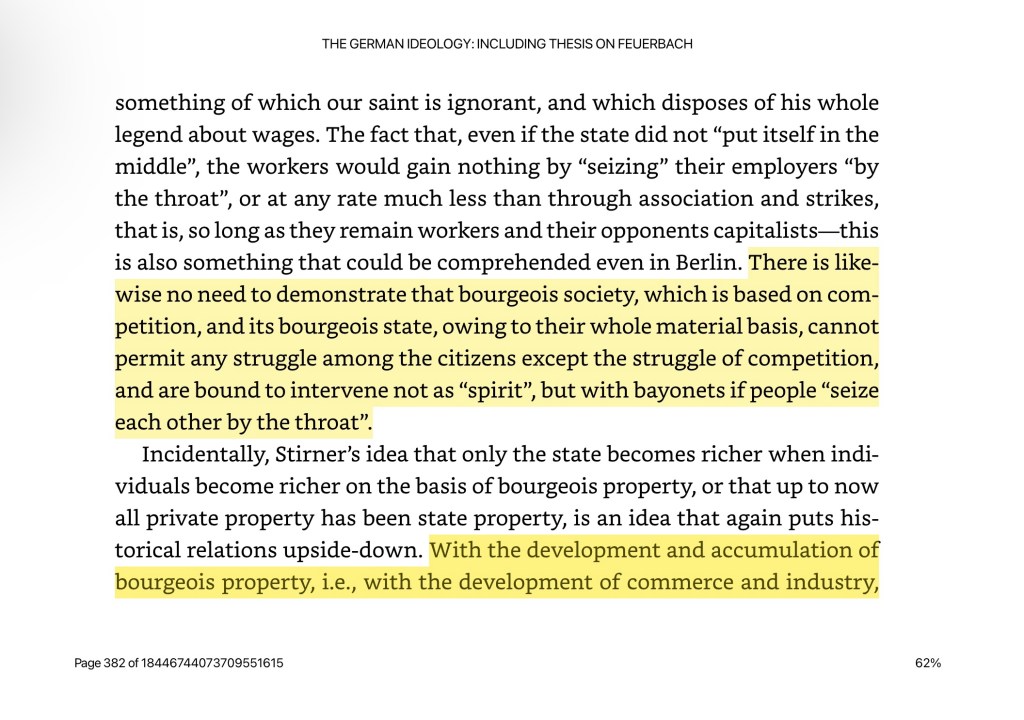

 Ms. Cat’s Chronicles
You must be logged in to post a comment.